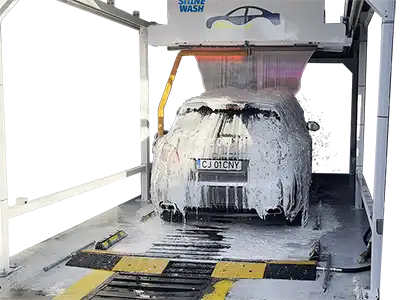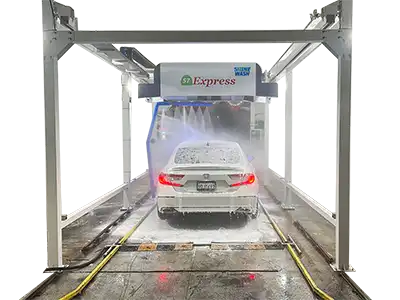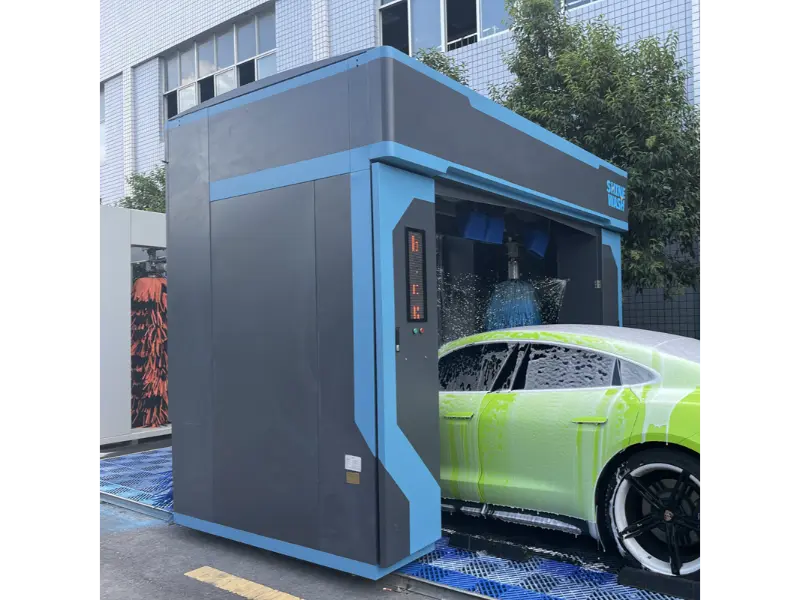
A laser car wash is a contemporary kind of automated car wash system that cleans cars without making physical touch by using high-pressure water jets and sophisticated sensors. It does not employ actual laser technology, despite its name. The word “laser” is mostly used in marketing to refer to the accuracy and effectiveness of the cleaning procedure.
]In actuality, a laser car wash falls under the more general category of brushless or touchless car wash systems. To clean the vehicle’s surface of dirt and impurities, it uses a combination of high-pressure water, specialty detergents, and intelligent control systems.
Compared to conventional brush-based systems, this kind of technology minimizes mechanical wear and lowers the chance of scratches, which is why it is becoming more and more popular among operators.
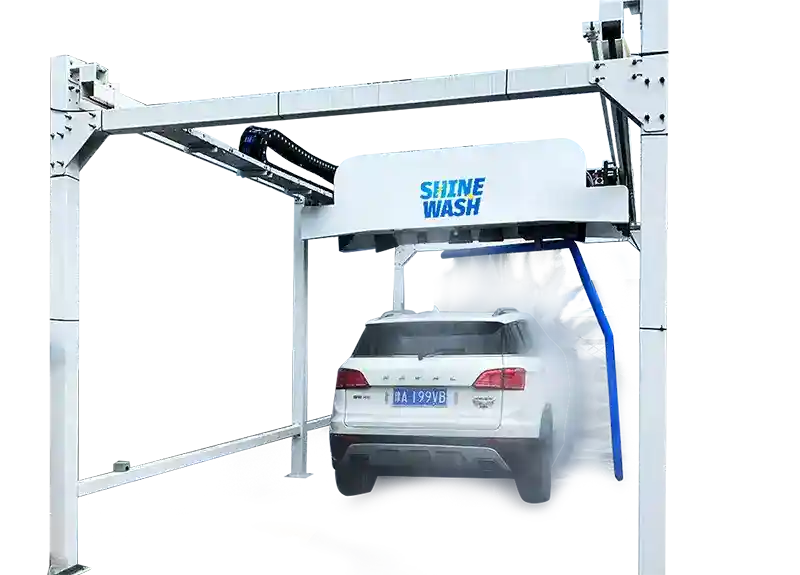
A laser car wash operates in a highly automated manner according to a precise protocol intended to optimize cleaning effectiveness.
The car is first placed into the wash bay, where sensors measure its dimensions. The system may modify spray angles and distances for the best coverage thanks to these sensors.
After that, a pre-soak solution is used to remove road filth, grease, and dirt. Because touchless systems mostly rely on chemical activity, this phase is crucial.
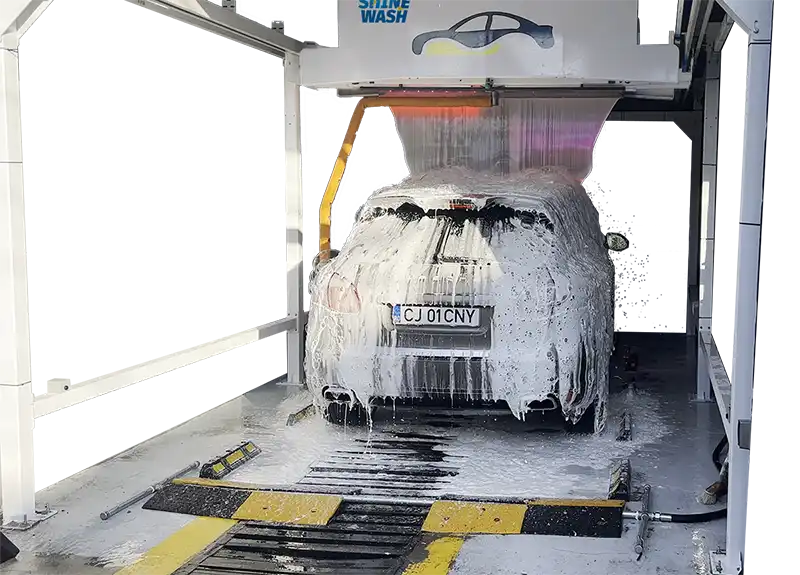
The primary cleaning step is then carried out using high-pressure water jets. These jets target every surface without coming into touch as they move around the car with “laser-like” accuracy.
After that, the machine goes through a rinse cycle to get rid of any leftover detergent and particles. Ultimately, the process is finished by strong air dryers that eliminate extra water.
This fully automated workflow ensures consistent results while minimizing labor requirements.
What distinguishes a touchless car wash from a laser car wash is a common question. They are nearly identical most of the time.
A common branding variation for touchless technology is “laser car wash.” Both systems use chemicals and high-pressure water to function without brushes.
But some manufacturers use the term “laser” to highlight higher-pressure systems, better sensor technology, or more precision. Both terms aim to achieve comparable user intent from an SEO and marketing standpoint.
The most important lesson for operators is that, rather than being a distinct category, a laser car wash is a kind of touchless system.
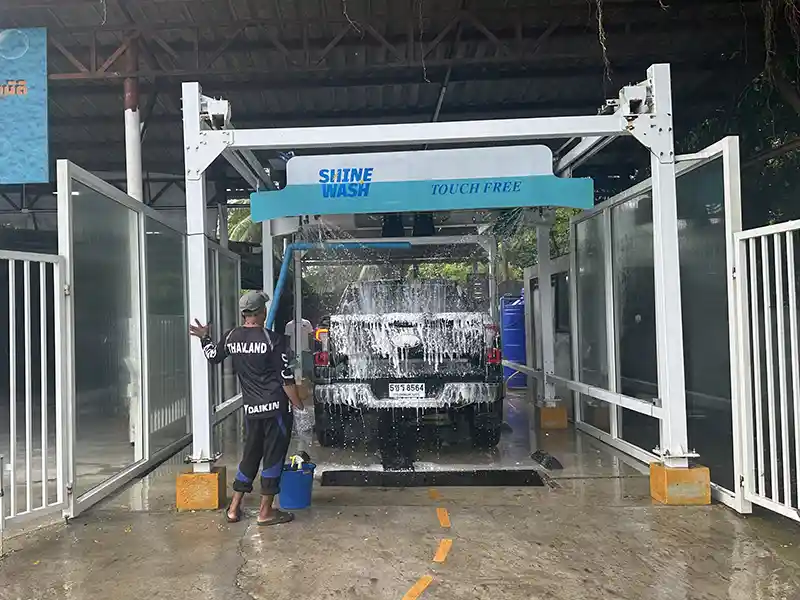
The non-contact cleaning technique of a laser car wash is one of its primary benefits. The likelihood of scratches or paint damage is much decreased because the car is not in contact with brushes or fabric materials.
Reduced upkeep is another significant advantage. Touchless brush systems have fewer moving parts than traditional brush systems, which need to repair worn parts more frequently.
High operating efficiency is another benefit of laser car washes. They are appropriate for high-traffic areas since they can screen cars fast.
Customers find these systems appealing because they believe they are secure, contemporary, and appropriate for high-end cars.
They are also perfect for companies who want to offer top-notch customer service.
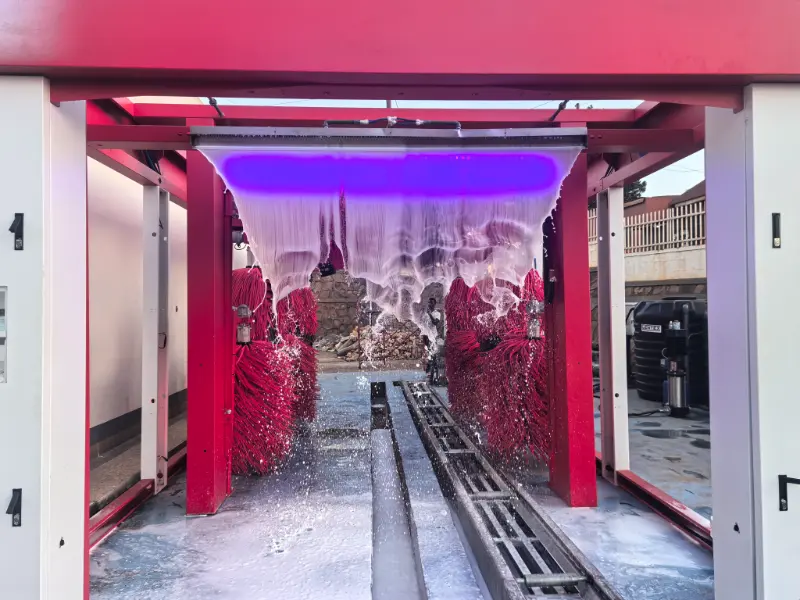
The cost of a laser car wash depends on several factors, including equipment quality, system size, and installation requirements.
Below is a general investment breakdown:
| Cost Component | Estimated Range (USD) |
| Equipment | $15,000 – $50,000+ |
| Installation | $5,000 – $15,000 |
| Site Construction | $10,000 – $30,000 |
| Utilities Setup | $3,000 – $10,000 |
| Optional Add-ons | $2,000 – $10,000 |
Depending on the location, labor expenses, and customization possibilities, the overall investment can vary significantly. Higher initial costs are usually associated with advanced technologies that yield superior long-term returns, such as water recycling and smart payment features.
When run correctly, a laser vehicle wash can be quite profitable. Pricing, location, and daily traffic all affect revenue.
A single wash can typically bring in between $5 and $15. A system can manage dozens or even hundreds of cars every day in high-traffic regions.
Lower labor costs are one of the main benefits. Compared to manual or brush-based operations, fewer employees are needed because the system is automated.
Depending on market demand and operational effectiveness, the majority of investors can anticipate a return on investment in 12 to 24 months.
Offering extra services like waxing or high-end wash packages increases profitability even further.
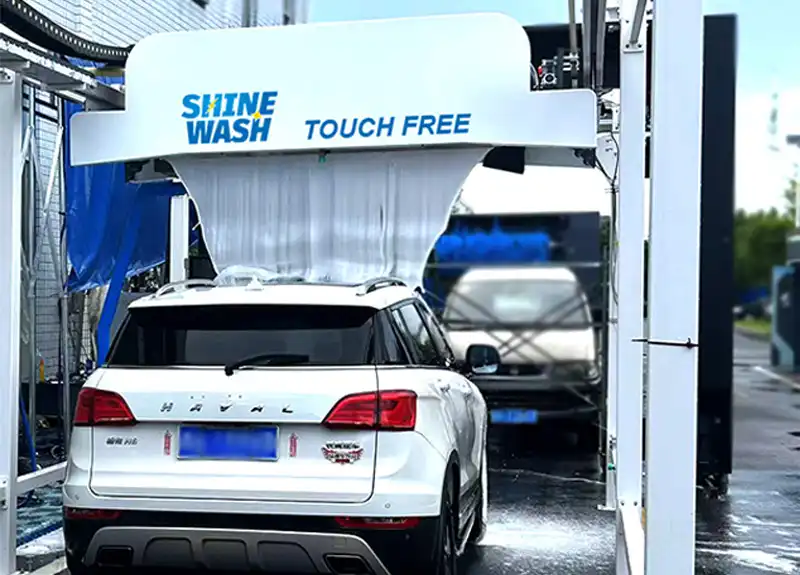
Modern laser car wash systems are outfitted with cutting-edge technologies intended to enhance dependability and performance.
Intelligent sensors that identify car outlines and modify cleaning schedules in response are among the key characteristics. This guarantees uniform outcomes for various car models.
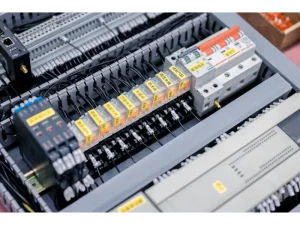
PLC control systems oversee the entire process, enabling exact control over time, chemical application, and water pressure.
The cleaning force required for touchless washing is supplied by high-pressure pump systems.
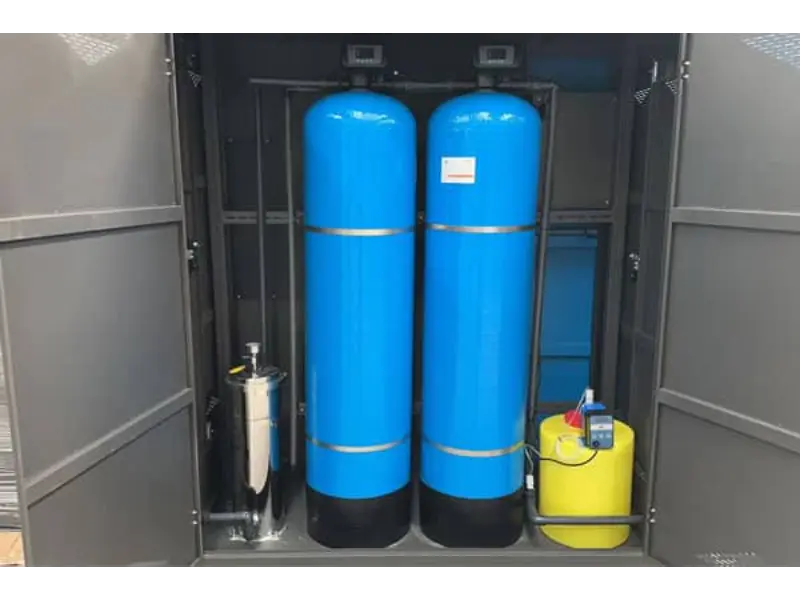
Water recycling technology is another feature of many systems that helps lower operational expenses and water use.
Additionally, remote monitoring features and digital payment methods are becoming commonplace, enabling operators to run their businesses more effectively.
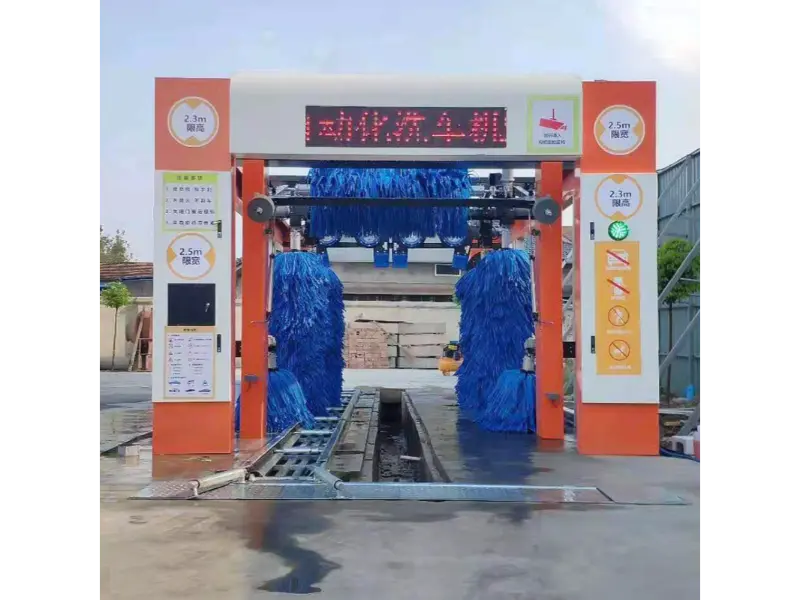
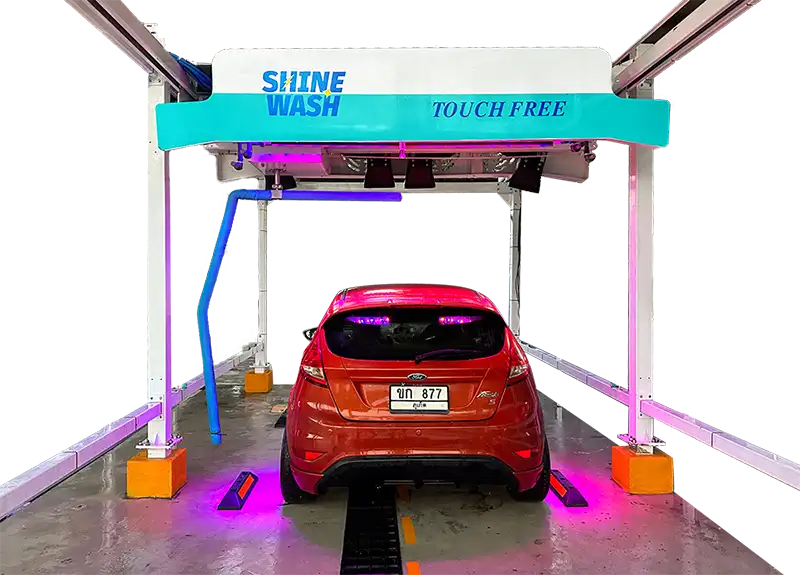
The cleaning technique is the primary distinction between brush and laser vehicle washes. The vehicle surface is physically scrubbed using brush systems, which can offer powerful cleaning results but also carry a danger of damage, particularly if brushes are not properly maintained.
Laser car washes, on the other hand, just use chemicals and water pressure. Because of this, they are safer for painting but occasionally less efficient in getting rid of thick dirt.
There are also differences in maintenance requirements. Touchless systems concentrate more on pump and nozzle maintenance, whereas brush systems need to repair mechanical elements on a regular basis. Touchless technologies are becoming more popular, particularly among high-end car owners.
The main difference between brush and laser car washes is the cleaning method.
Brush car wash systems are used to physically scrub the vehicle’s surface. These systems can provide effective cleaning results, but they also pose a risk of harm, especially if the brushes are not properly maintained.
Conversely, laser car washes only require chemicals and water pressure. As a result, they are sometimes less effective in removing heavy dirt but safer for painting.
Additionally, there are variations in the maintenance needs. While brush systems must regularly replace mechanical components, touchless systems focus more on pump and nozzle maintenance.
Touchless technologies are growing in popularity, especially among owners of luxury vehicles.
Many different types of investors can benefit from laser car washes. Owners of gas stations can utilize them to draw in more customers and make more money. The scalable company concept and minimal manpower needs are advantageous to car wash businesses. These solutions allow fleet managers to effectively maintain a large number of cars. To maintain cars clean without running the danger of harm, car dealerships frequently install touchless systems. Because of their automated operation and small size, laser car washes are also appealing to urban investors.
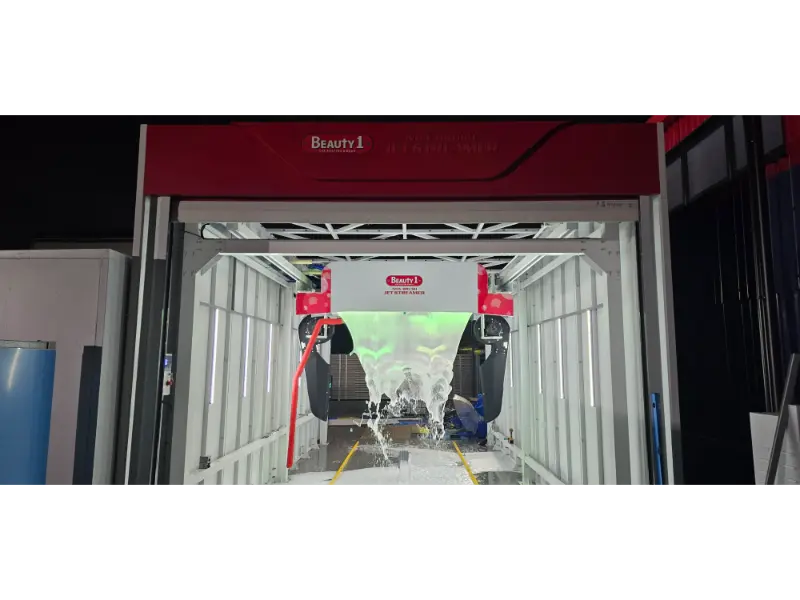
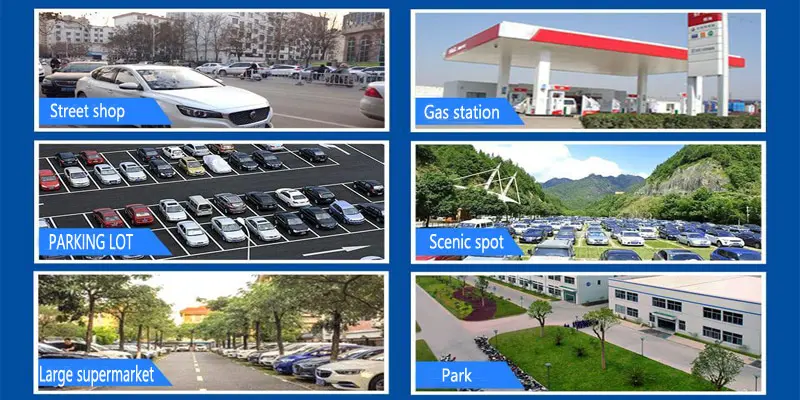
For a laser vehicle wash to be successful, location is crucial. Because they offer a consistent stream of potential clients, high-traffic urban regions are perfect. Because drivers frequently search for convenient cleaning choices, locations close to petrol stations or highways are also effective. Customers who wish to wash their automobiles while running errands may be drawn to shopping malls and business areas. Additionally, there is steady demand in residential areas with high rates of car ownership. Revenue and profitability can be greatly impacted by location selection.
Laser car wash systems are getting more sophisticated as the car wash industry continues to change. To enhance vehicle detection and optimize cleaning patterns, artificial intelligence is being incorporated. Water recycling systems are becoming increasingly effective, assisting operators in adhering to rules and lessening their impact on the environment. As sustainability gains importance, eco-friendly detergents are likewise becoming more and more popular. Customers can quickly schedule and pay for washes thanks to mobile app integration, which improves the user experience overall. These patterns suggest that the industry has significant room to grow.


Continuous expenses associated with running a laser vehicle wash must be properly controlled. To guarantee peak performance, routine maintenance involves inspecting pumps, nozzles, and sensors. The cost of chemicals might change based on product quality and usage. Water recycling technologies can assist save costs, but water and electricity use are other important issues. Because there are fewer mechanical components and less manpower involved, operational costs are often lower than those of traditional systems. For long-term dependability and profitability, proper maintenance is crucial.
For any investor, choosing the appropriate machine is a crucial choice. To prevent bottlenecks, throughput capacity should be equal to anticipated traffic levels. To reduce maintenance expenses and downtime, system reliability is crucial. Performance and customer experience can be impacted by technology level, including automation features and sensors.
Another important component is after-sales service, since the availability of spare parts and technical help are essential for efficient functioning.
Using a reliable source can greatly lower risks and enhance long-term outcomes.
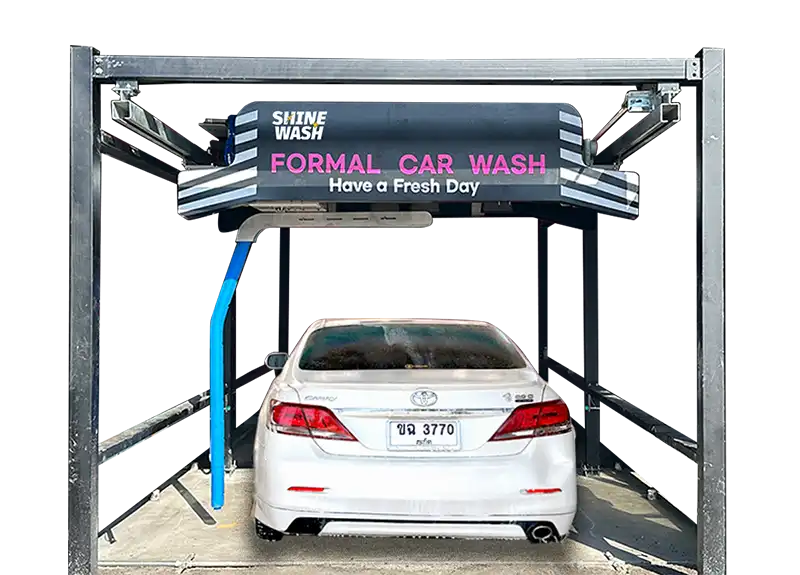
For companies wishing to enter or grow in the automated car wash sector, investing in a laser car wash is a wise choice. Laser car wash systems have a large market potential due to the rising demand for contemporary, safe, and effective cleaning solutions. The next step if you’re thinking about making this investment is to get a thorough price and look into a personalized installation strategy depending on your location and company objectives.
In a market that is becoming more automated, a well-planned project can provide steady revenue, quick ROI, and long-term growth.