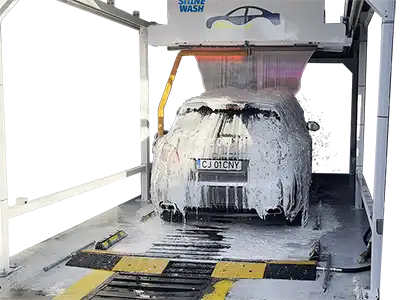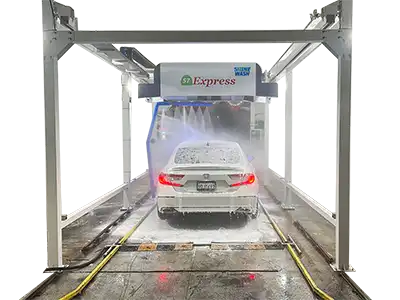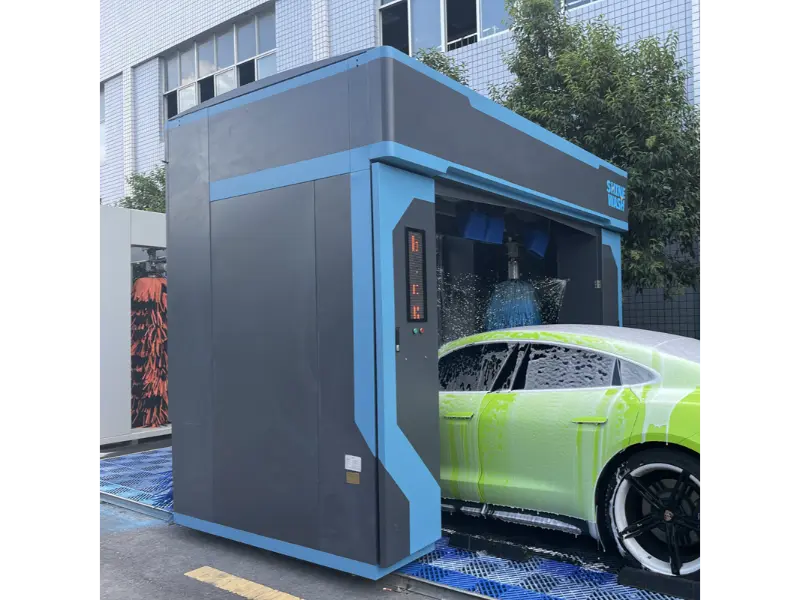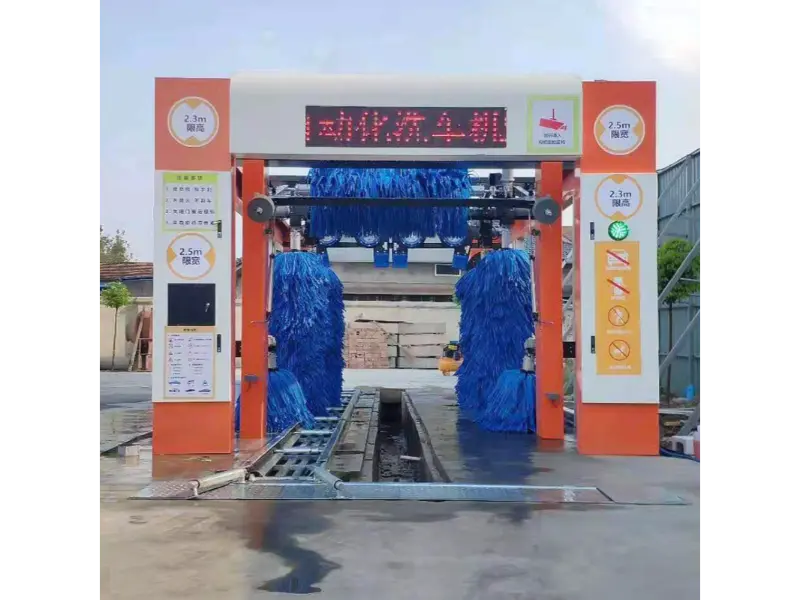
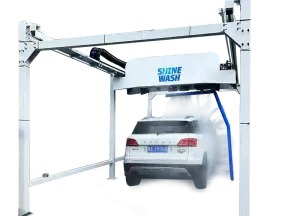
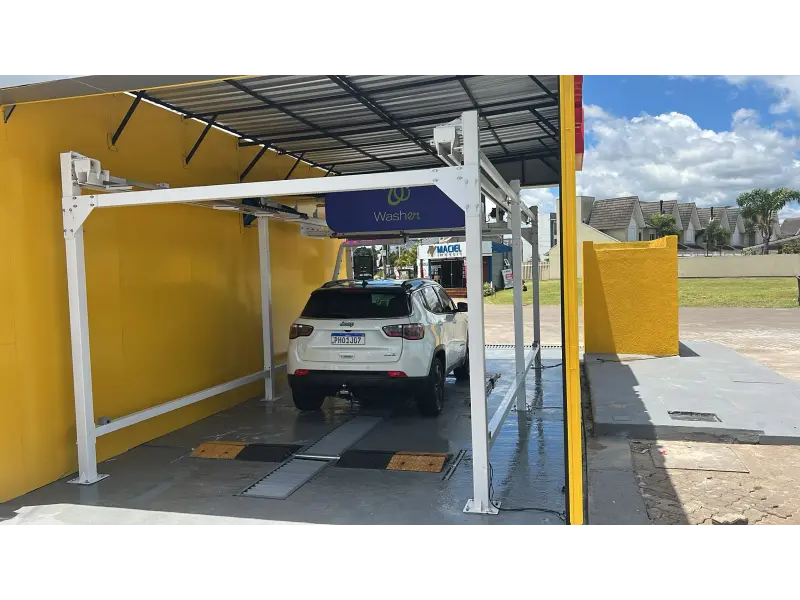
A 360 automatic car wash machine is an advanced vehicle cleaning system designed to deliver complete coverage from all angles. Unlike traditional car wash equipment that relies on limited spray directions or manual intervention, this system uses multi-directional high-pressure water jets combined with intelligent sensors to ensure that every part of the vehicle is cleaned efficiently.
The defining feature of a 360 system is its ability to clean the top, sides, and even hard-to-reach areas without leaving blind spots. Most modern machines are equipped with smart detection systems that automatically adjust to different vehicle sizes, ensuring consistent performance regardless of whether the vehicle is a compact car or a large SUV.
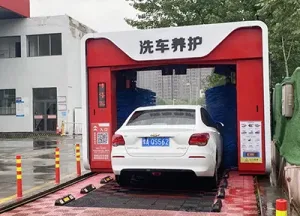
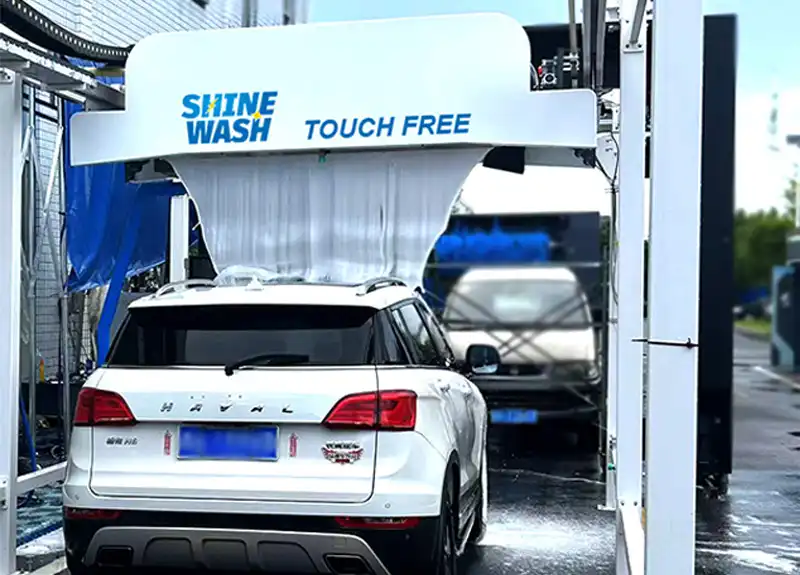
Compared with conventional rollover machines, 360 automatic touchless car wash systems offer faster wash cycles and better coverage. At the same time, they require significantly less space than tunnel car wash systems, making them ideal for investors who want a balance between efficiency and flexibility. Many models also support touchless technology, which reduces the risk of paint damage and lowers maintenance requirements.
As the demand for automation continues to grow, the 360 automatic car wash machine is becoming a popular choice for both new investors and existing operators upgrading their facilities.
When evaluating the 360 automatic car wash machine price, it is important to understand that costs can vary widely depending on configuration, technology, and supplier.
In 2026, the global market shows three main pricing tiers. Entry-level systems typically range from $15,000 to $30,000 and are suitable for small businesses or locations with moderate traffic. Mid-range machines, which offer better performance and additional features such as improved drying systems and smarter controls, usually cost between $30,000 and $70,000. High-end systems, designed for high-volume operations and premium service quality, can range from $70,000 to over $150,000.
Regional factors also influence pricing. In markets such as the United States or Europe, higher labor and compliance costs can increase the total investment. In contrast, emerging markets may benefit from lower installation and operational expenses, although shipping and import duties can still impact the final price.
Understanding these price ranges is essential, but the total investment goes beyond the base machine cost. A detailed breakdown provides a clearer picture of what buyers are actually paying for.
A 360 automatic car wash system consists of multiple components, each contributing to the overall cost. The following table outlines a typical investment structure:
| Component | Estimated Cost |
| Machine structure | $15,000–$80,000 |
| Drying system | $5,000–$20,000 |
| Water recycling system | $8,000–$25,000 |
| Installation | $3,000–$10,000 |
| Shipping | $2,000–$8,000 |
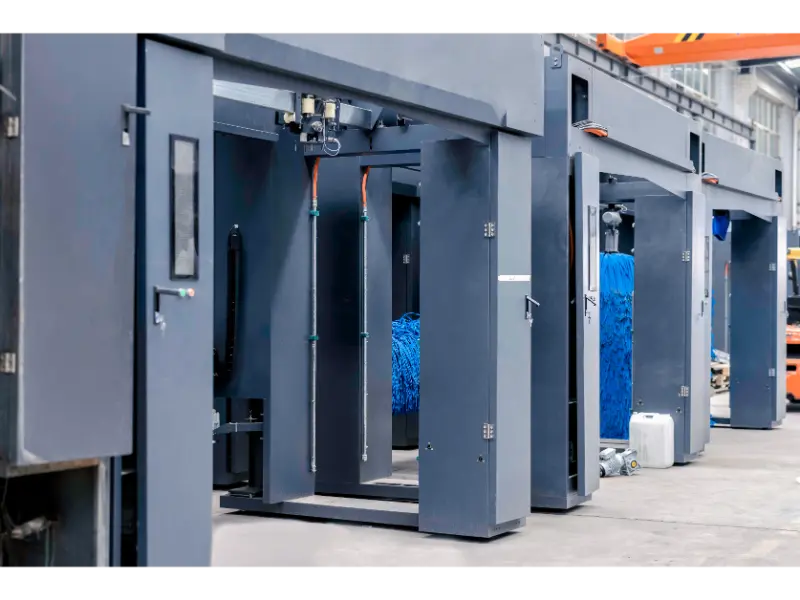
The machine structure represents the core of the system and usually accounts for the largest portion of the investment. This includes the frame, spray arms, pumps, and control systems. The drying system, while sometimes optional, plays a crucial role in improving customer satisfaction by reducing wait times and delivering a complete service experience.
Water recycling systems are increasingly important, especially in regions with strict environmental regulations. These systems help reduce water consumption and lower long-term operating costs. Installation and shipping costs depend on location, site conditions, and supplier support, and they should always be included in the initial budget.
Several factors directly influence the final price of a 360 automatic car wash machine. One of the most important is the machine’s capacity, which is typically measured in cars per hour. Higher-capacity systems require more powerful pumps, advanced sensors, and stronger structural components, all of which increase costs.
Another key factor is the choice between touchless and soft brush technology. Touchless car wash systems rely entirely on high-pressure water and chemicals, offering lower maintenance and reduced risk of surface damage. However, they often require more advanced engineering, which can raise the price.
The level of automation also plays a significant role. Machines equipped with intelligent control systems, automated payment solutions, and remote monitoring capabilities are generally more expensive but provide greater operational efficiency.
Brand and manufacturer reputation should not be overlooked. Established suppliers with strong after-sales support may charge higher prices, but they often deliver better reliability and lower long-term risk.
In terms of initial investment, tunnel car wash systems are typically the most expensive due to their size and complexity. Rollover car wash machines are more affordable but offer limited throughput and efficiency. The 360 system sits in the middle, providing a balanced investment with strong performance.
Labor cost is where 360 systems have a clear advantage. With high levels of automation, these machines require minimal staffing, which is particularly valuable in regions where labor costs are rising.
Tunnel car wash systems require large plots of land, while 360 machines can be installed in compact locations. Maintenance is generally lower compared to traditional brush-based systems, especially for touchless models.
Overall, the 360 automatic car wash machine offers an optimal combination of cost, efficiency, and flexibility.
The average price per car wash typically ranges from $5 to $15, depending on the market and service level. With a daily volume of 50 to 200 vehicles, revenue can scale quickly, especially in high-traffic locations.
Most operators achieve a return on investment within 6 to 18 months. This relatively short payback period is driven by low labor costs, efficient operation, and the ability to serve more customers in less time.
In addition to financial returns, these systems offer operational stability. Automated processes reduce the risk of human error and ensure consistent service quality.
While the initial 360 automatic car wash machine price is a major consideration, it is not the only cost involved. Electricity consumption is one of the primary operational costs, especially for high-capacity machines.
Water usage and wastewater treatment must be managed carefully. Cleaning chemicals and detergents are recurring expenses, and regular maintenance is necessary to ensure long-term performance.
Site construction is another significant cost that is often underestimated. This includes foundation work, drainage systems, and utility connections.
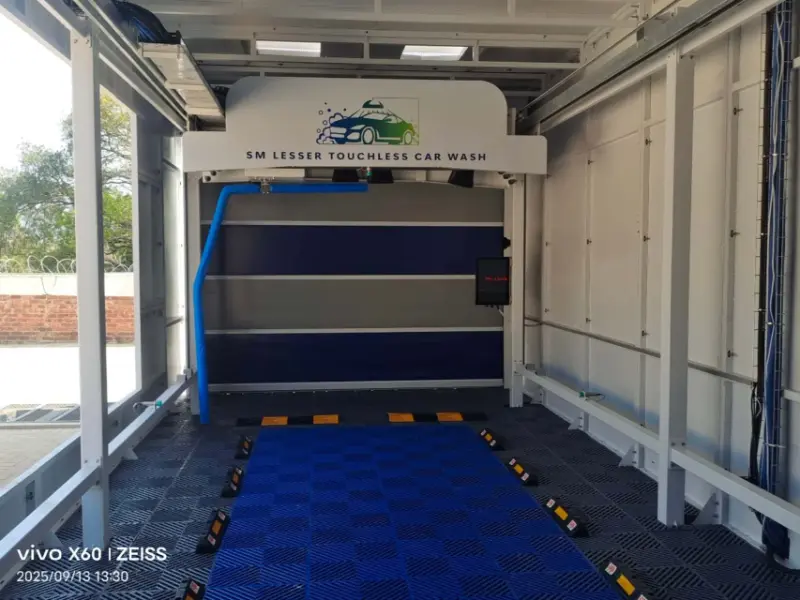
Durability is a key factor. High-quality materials and robust construction ensure long service life and reduce maintenance issues.
Reliable technical support can minimize downtime and protect your investment, making supplier selection critical.
Customization options and integrated software systems, including payment and management platforms, can significantly improve efficiency and customer experience.
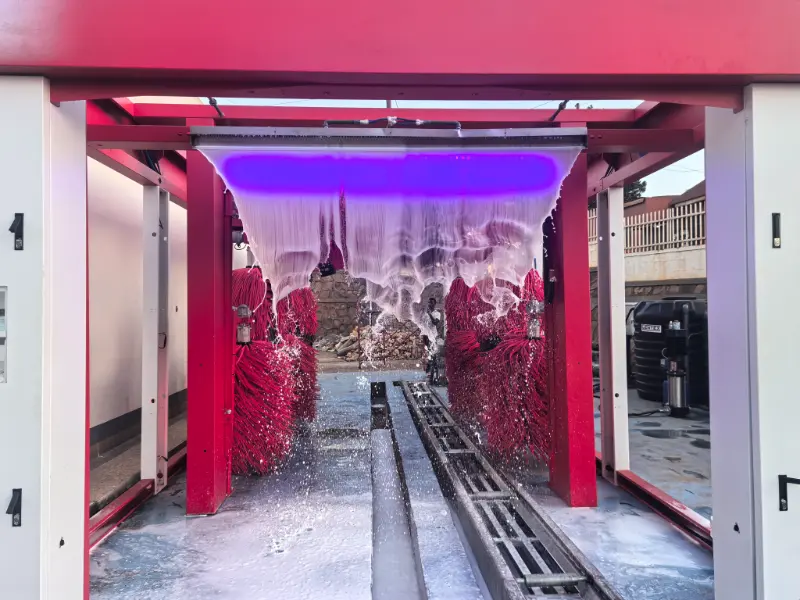
Rising labor costs and increasing demand for automation are pushing businesses toward more efficient solutions.
These systems offer high efficiency, compact design, and lower operational complexity, making them ideal for modern car wash businesses.
Advancements in technology continue to improve performance and reliability, positioning 360 systems as a long-term investment.
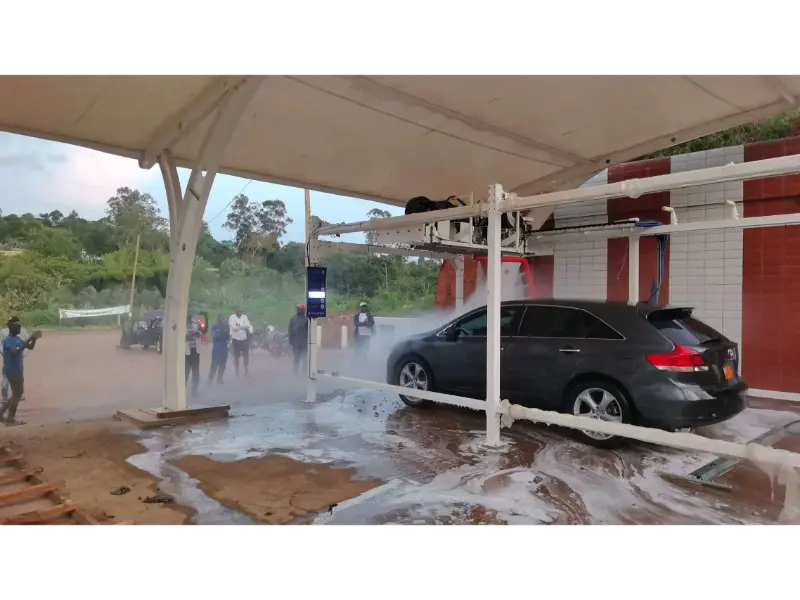
The 360 automatic car wash machine price reflects more than just equipment cost—it represents a strategic investment in automation, efficiency, and long-term profitability. By understanding the full cost structure and market trends, investors can make confident decisions and build a competitive advantage in the evolving car wash industry.
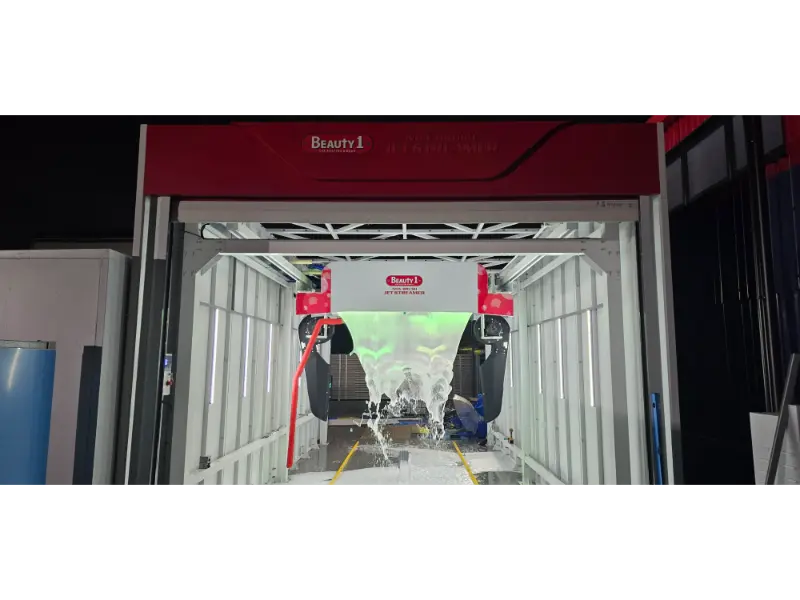
Ready to invest in a high-performance 360 automatic car wash system? Contact Shinewash today to get expert guidance, customized solutions!