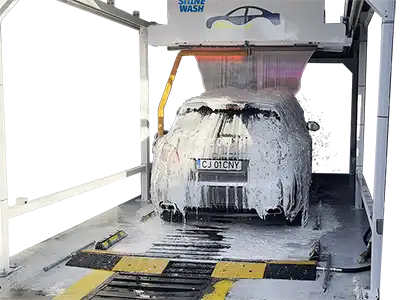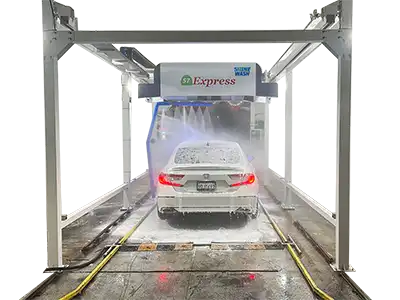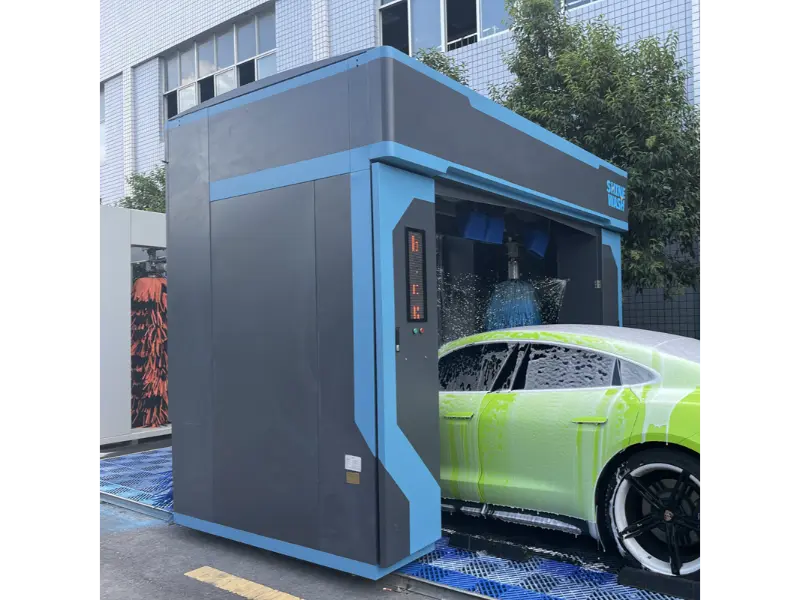
Touchless car wash equipment has become one of the most profitable investments for modern car wash owners. With zero brush contact and fully automated cleaning cycles, these systems deliver premium results while protecting delicate vehicle finishes. But before investing, every business owner asks the same question: How much does touchless car wash equipment cost?
This guide breaks down the pricing tiers, cost factors, hidden expenses, and ROI insights to help you invest confidently and plan for long-term success.
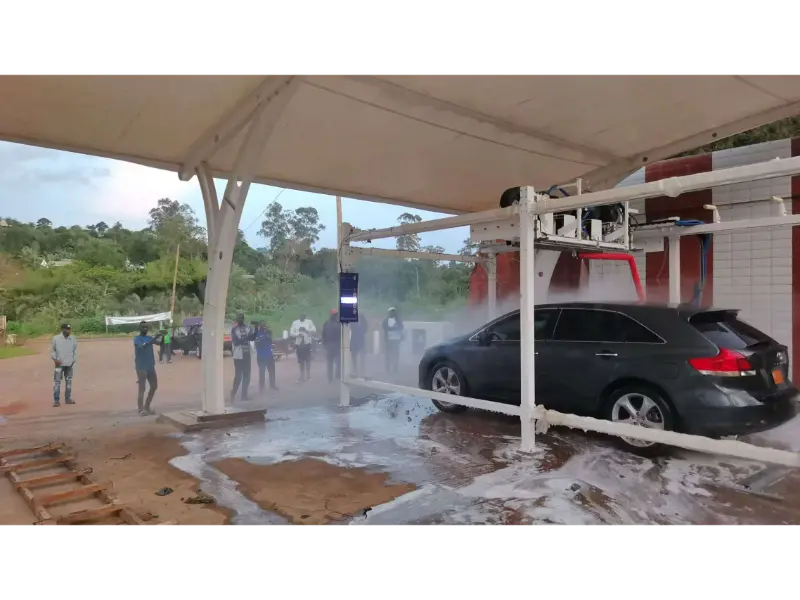
Touchless systems fall into three main pricing categories depending on cleaning stages, drying power, automation, and additional technologies. Here’s what investors should expect in today’s market.
These machines provide a basic non-contact wash and standard drying functions. They are engineered for low to moderate traffic and suit small towns, village stations, or budget-conscious investors. An entry-level system focuses on essential cleaning steps, simple control modules, and moderate pump pressure—ideal when foot traffic is predictable and steady.
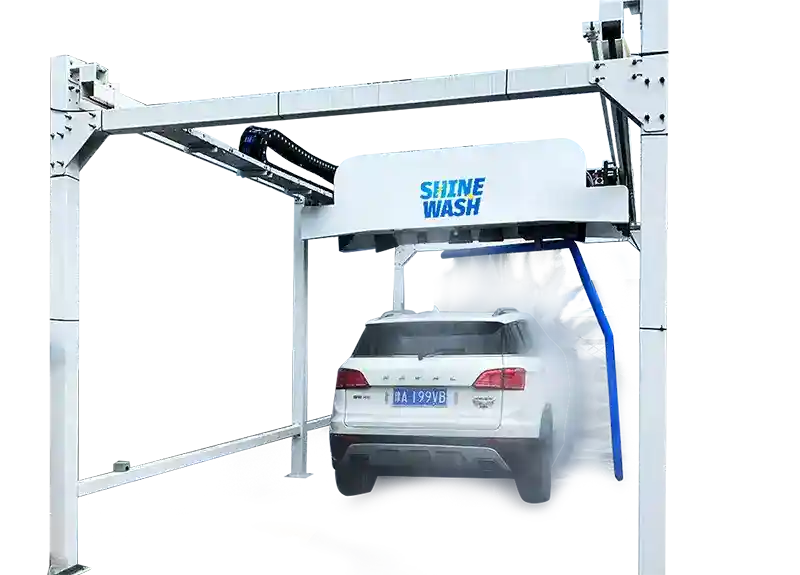
Mid-tier touchless equipment delivers higher efficiency, stronger drying, and improved control technology. They include upgradeable PLC systems, multi-stage chemical injection, and better scanning sensors. These machines work well in urban gas stations, mid-sized auto shops, and convenience stores where customer turnover is higher and reliability is crucial.
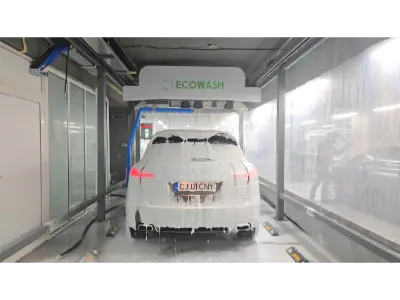
Top-tier systems are built for high-volume operations. They feature full water recycling, multi-stage chemical proportioning, industrial automation, and high-powered drying arrays. These premium configurations are popular among large car wash chains, dealerships, and franchise operators that demand 24/7 unattended operation. Advanced machines deliver the fastest wash cycles and the lowest long-term operating costs.
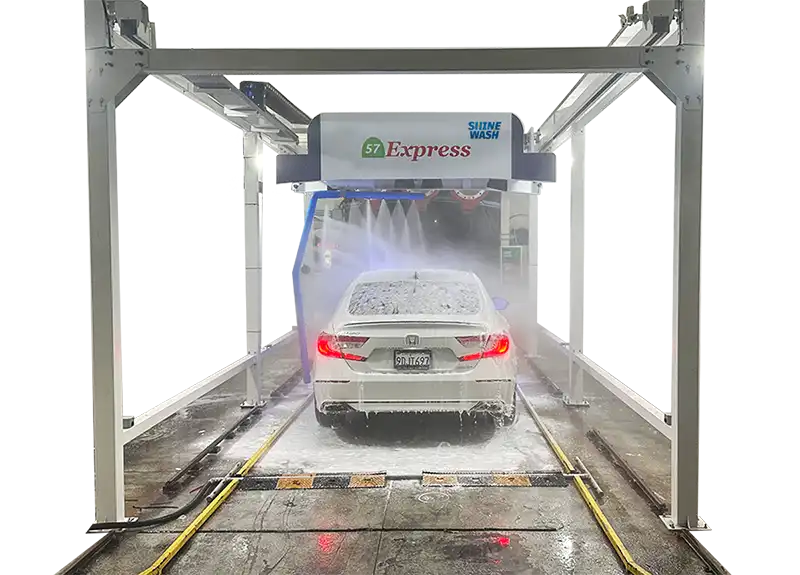
Several technical and operational elements affect the final cost of touchless car wash equipment. Understanding these factors allows investors to make informed, budget-smart decisions.
Machines equipped with industrial PLC controls, intelligent sensors, and adaptive scanning algorithms typically add $15,000–$30,000 to the total price. High automation improves precision, stability, and long-term durability—critical for busy locations.
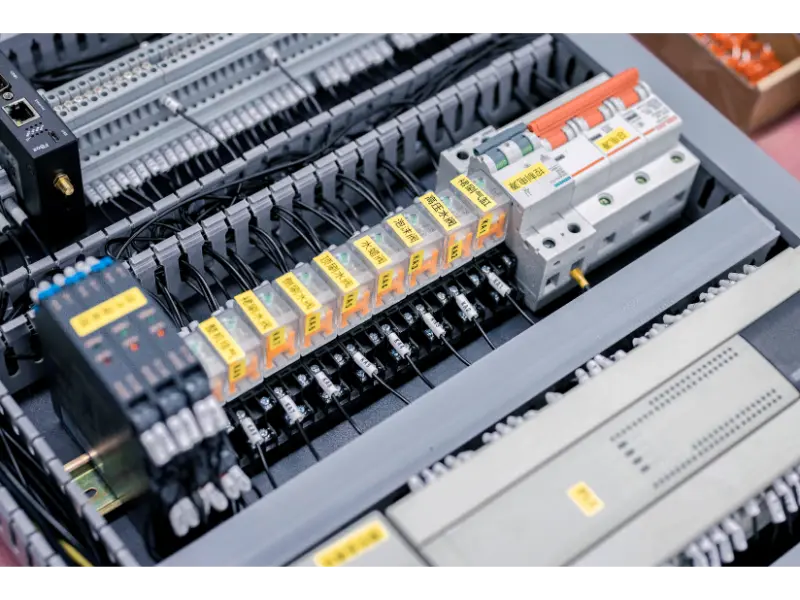
Touchless technology relies heavily on chemical strength and accuracy. Multi-tank proportioning systems can add $8,000–$12,000. Advanced models, such as the Shinewash K9, include a 6-tank chemical system—ideal for multi-stage foam, pre-soak, wax, and protectant cycles.
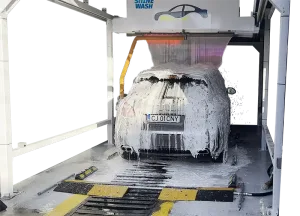
High-performance drying is a major cost driver. Strong airflow reduces customer waiting time and prevents water spots. A set of 4–8 high-efficiency dryers (4.5–5.5 KW each) adds approximately $20,000–$40,000, depending on the configuration.
These upgrades directly improve wash speed, customer satisfaction, and overall business efficiency.
| Model | Price Range (USD) | Best For |
| K3 | $40,000 – $60,000 | Small & mid-traffic sites |
| K6 | $70,000 – $100,000 | Urban stations & busy stores |
| K9 | $120,000 – $190,000 | High-volume & franchise investors |
Shinewash offers a flexible K-Series lineup designed for different operational scales. Entry-level K3 machines are perfect for smaller locations, K6 is ideal for urban and busier stations, and the K9 serves high-volume or franchise sites requiring maximum speed and automation.
Beyond the purchase price, investors must plan for several essential expenditures. These do not significantly increase operational difficulty, but they do impact start-up budgeting.
Costs vary based on site preparation, foundation work, water supply, drainage, and electrical configuration. Sites requiring plumbing or floor reconstruction may fall toward the higher range.
Touchless systems have fewer mechanical components than brush machines, but pumps, sensors, and dryers require regular inspection. Annual servicing typically accounts for about 3% of the total equipment investment.
Water reclaim systems can dramatically reduce operational costs and make your business more environmentally responsible. Many operators add recycling units from the beginning, especially in regions with high water prices or strict environmental regulations.
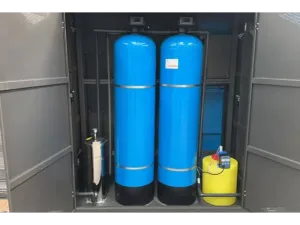
The appeal of touchless technology goes beyond its cleaning ability. It delivers one of the highest return-on-investment rates in the car wash industry.
Most touchless systems operate 24/7 without supervision. This reduces staffing requirements and allows you to run around the clock without salary overhead.
Customers willingly pay $10–$40 per wash for a non-contact method that protects modern paint coatings. This enables operators to generate higher revenue per customer compared to older wash systems.
Time efficiency directly boosts daily throughput. The Shinewash K9 cleans up to four times faster than traditional rollover systems, allowing operators to serve more customers per hour.
Because no brushes touch the vehicle surface, moving mechanical components experience less stress and last longer. This reduces long-term maintenance costs and downtime.
Touchless equipment becomes even more cost-effective in high-traffic areas where speed and reliability matter most.
Shinewash K-Series equipment supports modular upgrades, meaning you can start with essential stages and gradually expand up to 9 stages as your business grows. This approach reduces upfront cost while leaving room for future scalability.
Every location has unique requirements—water flow, electrical setup, customer traffic, and local regulations. For accurate pricing tailored to your site:
Email: tori@carwashmachine.com
Whatsapp: +8613619844700
Learn more: Touchless Car Wash Guide