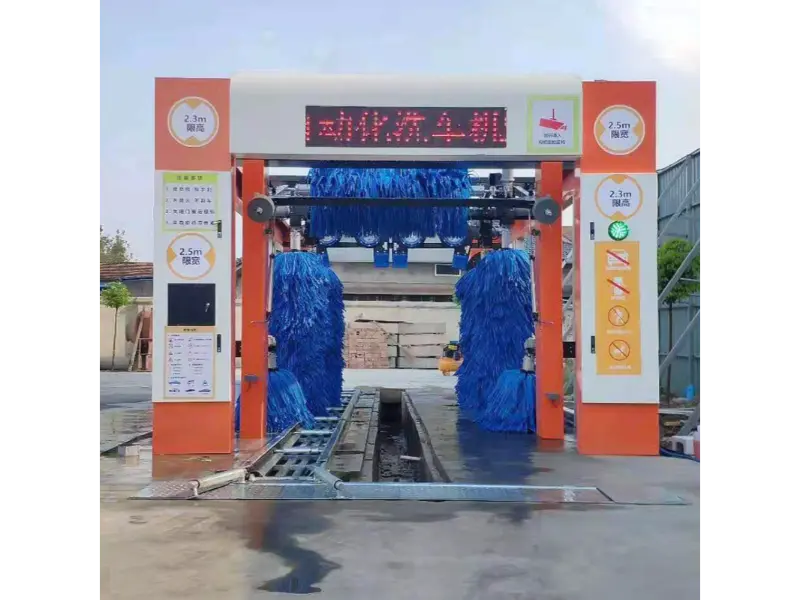
Chinese car wash machines have become one of the most widely chosen solutions for investors looking to start or upgrade a car wash business. Over the past decade, China’s manufacturing capabilities, engineering innovation, and international distribution networks have strengthened significantly. As a result, Chinese car washing equipment is now exported to hundreds of countries and considered a cost-efficient and reliable option for both small and large operators.
This guide offers a clear, practical overview of the Chinese car wash industry in 2026. It explains machine types, pricing, technology features, and key considerations for business owners planning to invest in automated car wash systems.
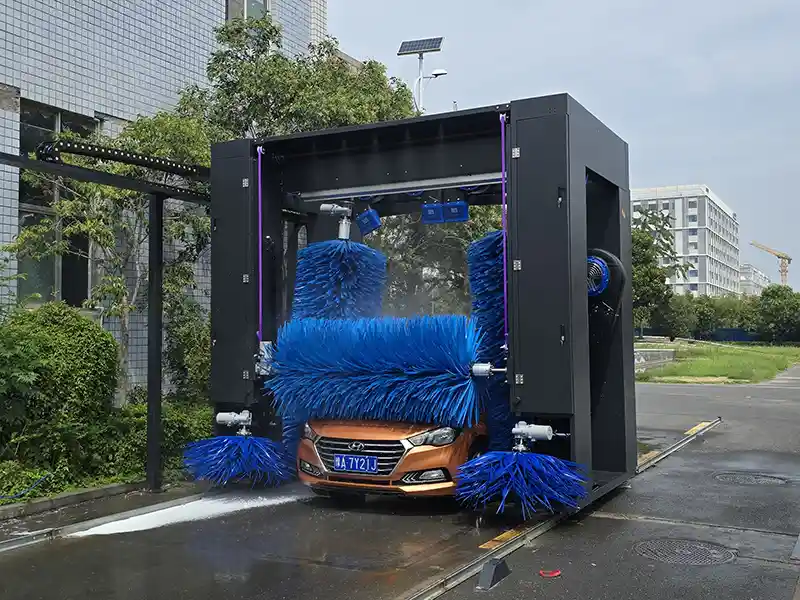
A Chinese car wash machine refers to an automated washing system designed and produced in China for commercial use. These machines rely on robotics, high-pressure pumps, sensors, and programmable controls to clean vehicles with minimal manual work. Modern systems achieve precise washing results by using AI scanning, improved cleaning paths, and stable mechanical components.
Chinese manufacturers have invested heavily in automation. Features such as smart fault detection, automatic chemical dosing, water-saving modules, and energy-efficient motors are now commonly integrated across product lines. The result is an equipment industry that competes globally in both performance and price.
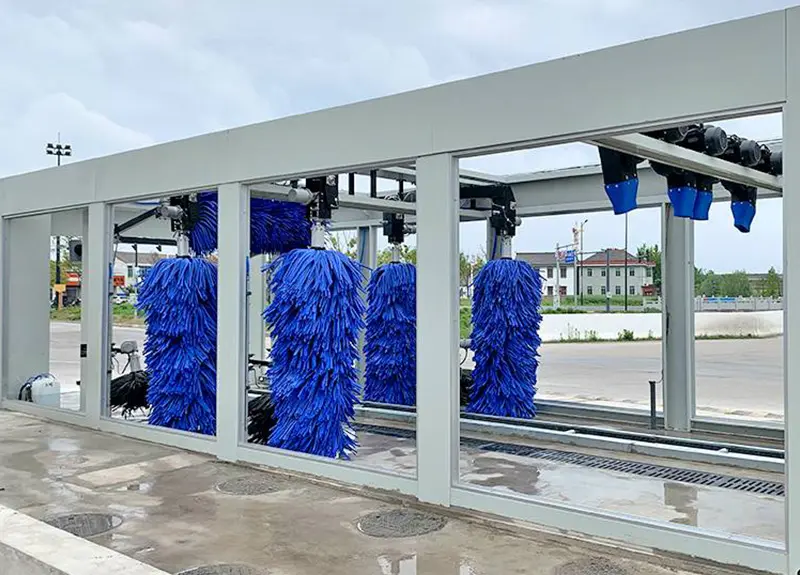
The rise in demand comes from a combination of affordability, technology maturity, customization options, and availability of spare parts. While the overall price advantage is significant, the true appeal lies in how complete and stable the machines have become. Buyers often find that Chinese car washing machines provide the best balance between investment cost and long-term operating value.
Purchasing a Chinese automatic car washer generally requires far less capital than buying a similar model made in Europe or North America. The total investment is usually 30–60% lower, allowing operators to reach profitability faster.
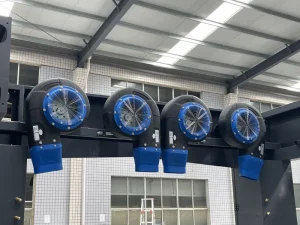
The technology used in high-end Chinese systems—such as 3D vehicle contour detection, speed-controlled spray arms, and improved drying turbines—meets international standards and often includes upgrades tailored to regional needs.
Chinese factories can adjust machine height, power configuration, payment systems, colors, or even structural design to suit different customer environments. This flexibility is especially valuable for stations with irregular layouts or voltage requirements.
Spare parts, pumps, sensors, and structural components are widely available. Maintenance is straightforward, and international shipping networks ensure quick replenishment.
China manufactures several categories of professional car wash equipment. Each category fits a specific business model and site layout.
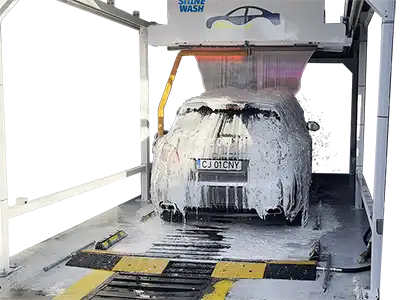
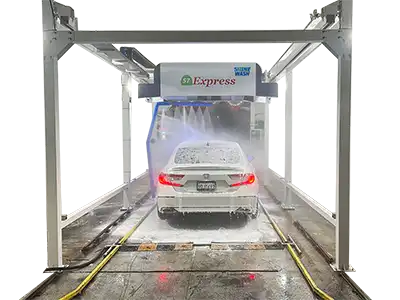
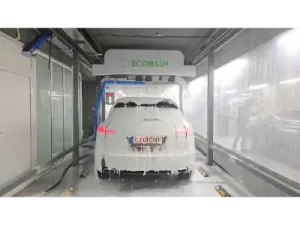
Touchless systems wash vehicles through high-pressure water jets and detergents without physical brushes. They are favored for their gentle cleaning approach and reduced risk of paint damage. These machines typically include rotating spray arms, chemical control systems, and automatic drying. Many installations are located at fuel stations, quick-service shops, and urban parking facilities.
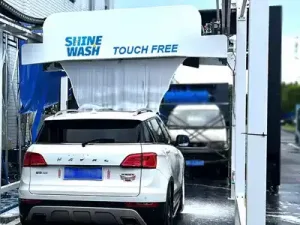
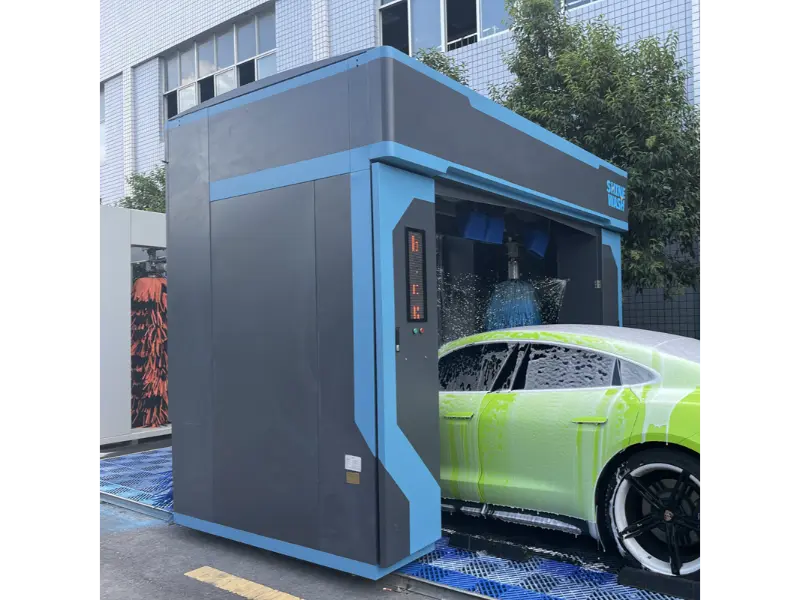
Rollover machines feature a large frame that moves back and forth over the stationary vehicle. Soft brushes, pressure washing, and drying units are integrated into one structure. This design requires limited space and delivers consistent cleaning results, making it ideal for mid-size businesses such as car dealerships and service centers.
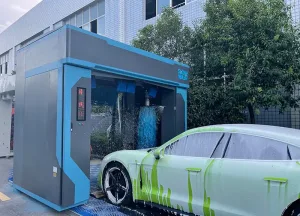
Tunnel systems are built for high-volume operations. Vehicles are pulled through the tunnel by a conveyor while passing through multiple stages such as foaming, brushing, rinsing, waxing, and drying. Chinese tunnel car wash machines range from compact 9-brush systems to long tunnels equipped with 14–18 brushes. They are suitable for operators who process dozens of vehicles per hour.
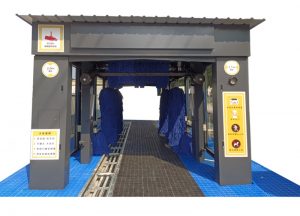
Self-service stations offer manual washing through high-pressure sprays and foam guns. These setups are low-investment, require minimal staffing, and work well in residential neighborhoods or small lots.
Below is a simple sheet summarizing the typical price range of each major machine type in 2026. You can place this table directly into your webpage.
| Machine Type | Typical Price Range (USD) | Ideal For | Capacity Level |
| Touchless Car Wash System | 13,000 – 28,000 | Gas stations, small businesses | Medium |
| Rollover Car Wash Machine | 22,000 – 45,000 | Dealerships, service centers | Medium |
| Tunnel Car Wash System | 60,000 – 180,000 | High-traffic commercial washes | High |
| Self-Service Wash Bay | 2,000 – 5,000 / bay | Startups, residential areas | Low–Medium |
The total cost is affected by machine size, structural materials, pump and motor brands, chemical systems, drying power, and installation requirements. Optional additions—such as water recycling, upgraded drying turbines, or premium control panels—also influence pricing. Despite these variables, Chinese car washing machines still maintain a strong cost-to-performance advantage.
The right equipment depends on your business model, land size, power supply, and projected traffic. For example, a compact touchless system works well for operators with limited space, while rollers are preferred by customers who want both brush cleaning and automation. Tunnel car wash systems offer the highest throughput and are ideal for locations aiming to build a premium service experience or meet heavy seasonal demand.
Operators should also consider local water pressure, available drainage, daily vehicle volume, and long-term service needs. When evaluating machines, focusing on stability, component quality, and after-sales support is more important than simply choosing based on price.
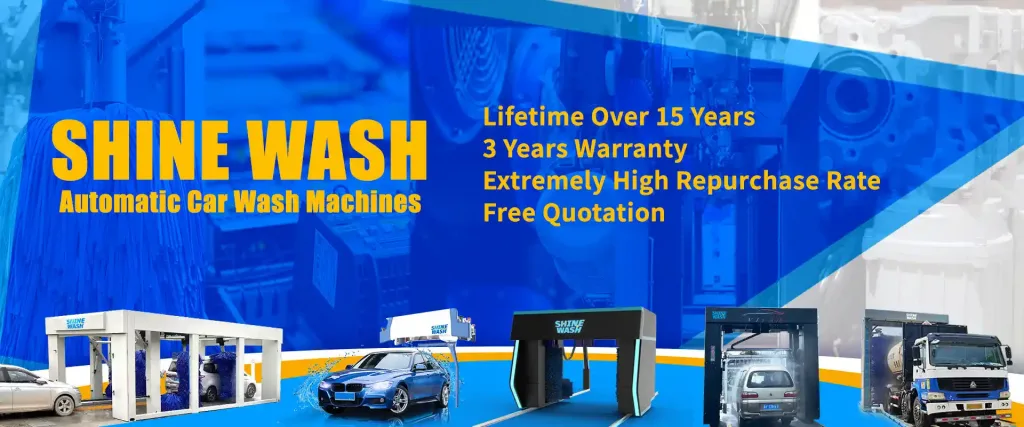
China is home to several experienced car wash machine producers, and Shinewash has grown to be a recognized name in international markets. The company provides touchless car wash machines, rollover car wash machines, tunnel car wash systems, and self-service equipment designed for daily commercial operation.
Shinewash systems emphasize simple installation, stable washing performance, and consistent chemical application. The company also offers design consultation, overseas installation guidance, and long-term parts supply. This balanced approach allows Shinewash to serve customers in regions such as Southeast Asia, Europe, Africa, and the Middle East without heavy brand promotion—letting the product performance speak for itself.
Installations worldwide demonstrate the reliability and adaptability of Chinese car washing equipment. Touchless machines are common in Japan and South Korea, where customers demand gentle but effective cleaning. In the Middle East, high-pressure systems are valued for handling dust and sand. African and South American markets increasingly adopt tunnel systems as car ownership rises. Southeast Asian operators often choose compact touchless models to fit narrow urban spaces.
These examples show that Chinese car wash equipment performs well across different climates, customer expectations, and business requirements.
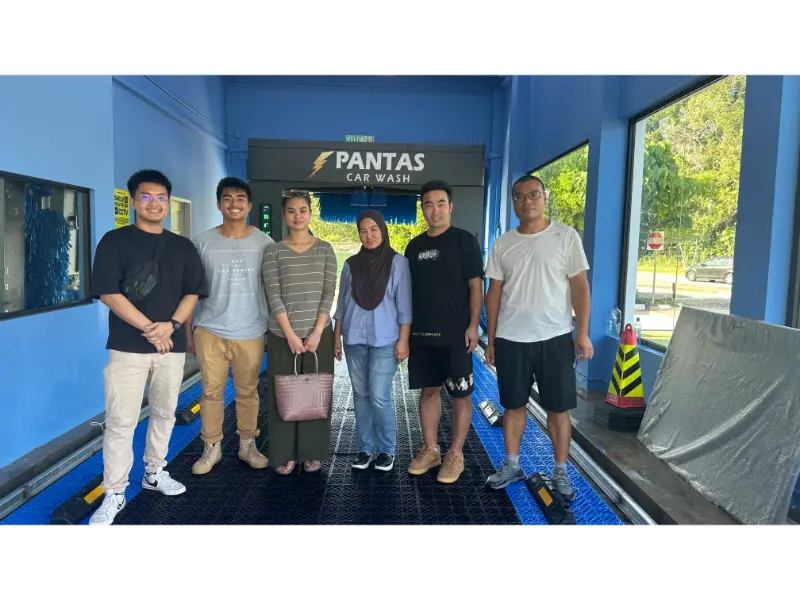
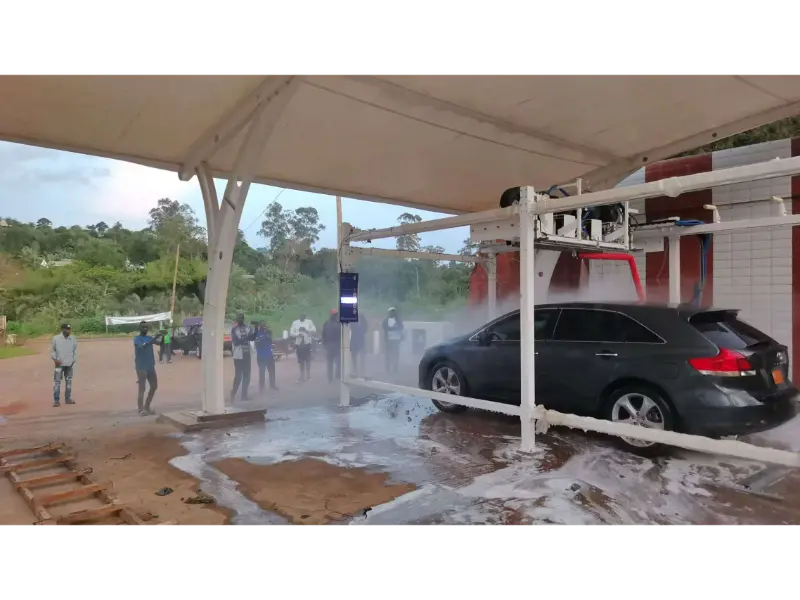
Purchasing a machine typically begins with a site assessment and a needs discussion. Manufacturers provide model recommendations based on space, traffic volume, and budget. After confirming specifications, production starts and usually takes 10–25 days depending on model complexity. Shipping is arranged by container, followed by installation and testing at the customer’s site. Once setup is complete, operators receive basic training, chemical guidance, and operation tips before opening the wash to the public.
The entire process is straightforward, and Chinese manufacturers today are experienced in supporting international customers.
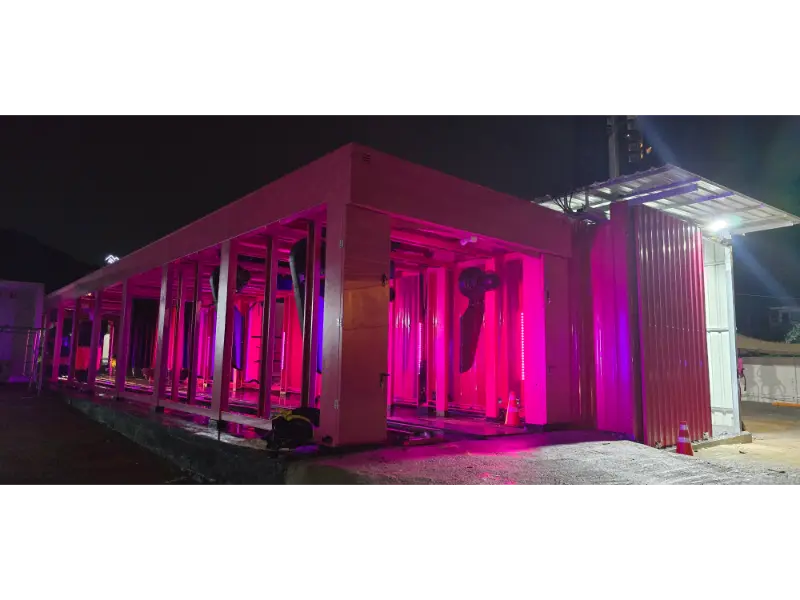
Chinese automatic car washers provide a strong combination of affordability, modern technology, and practical performance. Whether you need a compact touchless car wash system, a reliable rollover car wash machine, or a large-scale tunnel car wash, the Chinese market offers a machine for every business stage and investment level.
For operators seeking dependable equipment with long-term value, Chinese manufacturers—especially those offering stable technology and responsive support—remain an excellent choice in 2026. Companies like Shinewash play an important role in helping international customers build cost-effective and efficient car wash operations without excessive investment pressure.
Contact Shinewash experts if you are interested in Chinese car wash machine!