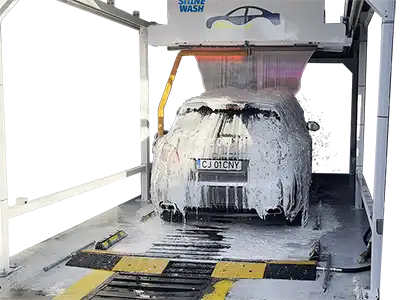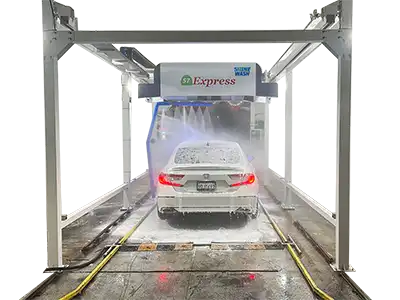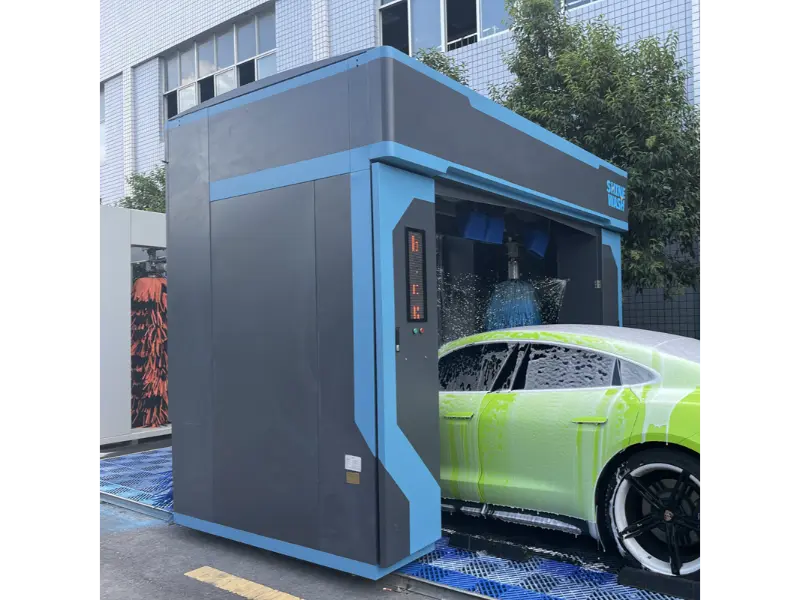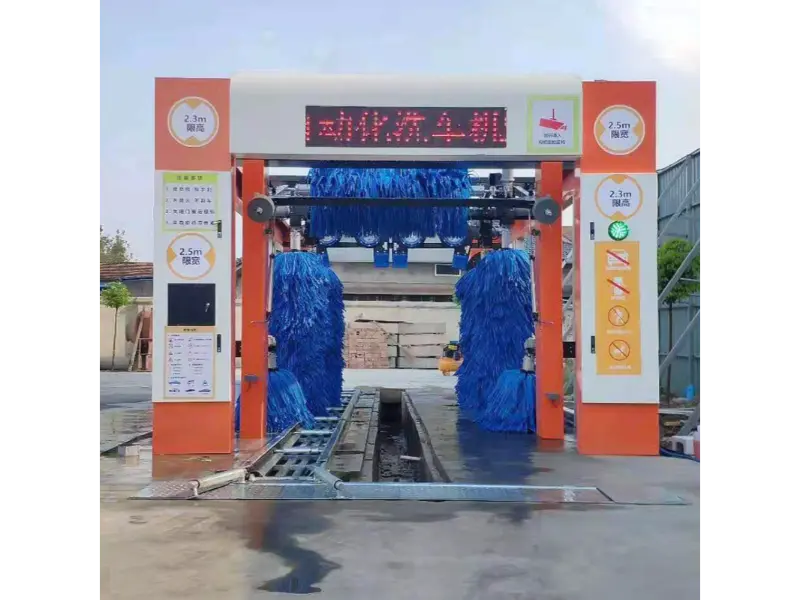
The global car wash industry has shifted rapidly from labor-intensive manual washing to fully automated solutions. Today, automatic car wash equipment forms the backbone of efficient, scalable vehicle cleaning operations, while automatic car wash machines deliver fully integrated, hands-free washing for commercial use.
For business owners facing rising labor costs, stricter environmental regulations, and increasing customer expectations, investing in an automatic car wash system is no longer optional—it is a competitive necessity.
From fuel stations and shopping centers to fleet operators and independent car wash businesses, automated systems deliver faster wash cycles, consistent quality, and predictable operating costs.
This article provides a complete, business-focused guide to automatic car wash equipment, covering core technologies, cost considerations, ROI potential, and buyer decision criteria.
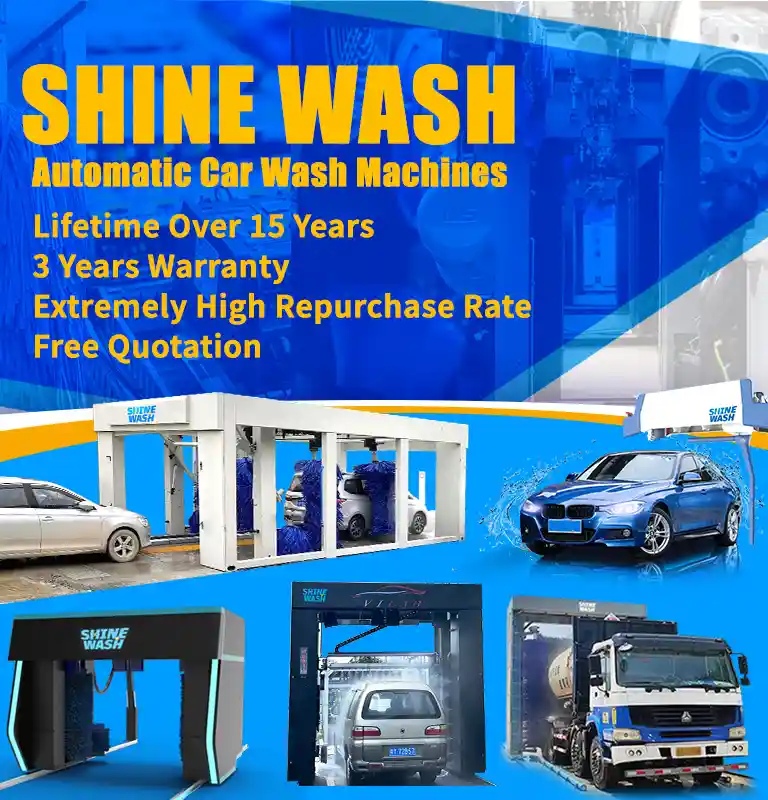
Automatic car wash equipment refers to the individual mechanical and electronic components that perform specific cleaning functions. These typically include high-pressure water sprayers, foam and chemical application systems, rotating or fixed drying blowers, undercarriage wash units, conveyors, sensors, and control cabinets.
Automatic car wash machines, by contrast, are fully integrated systems that combine all of this equipment into a single, automated solution. These machines are designed for hands-free operation, allowing vehicles to be washed with minimal or no human intervention.
In commercial use, the distinction matters: equipment focuses on components, while machines represent complete, revenue-generating systems.
Automatic car wash machines are generally categorized into several core types:
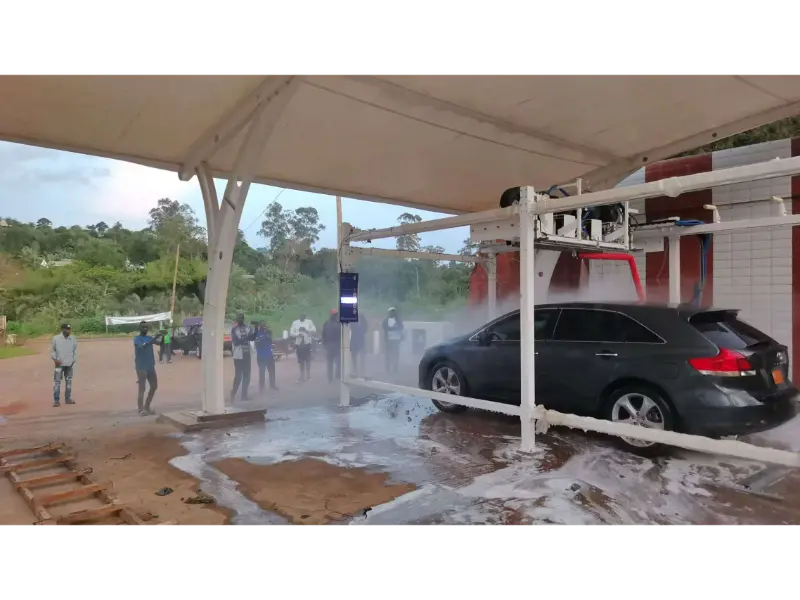
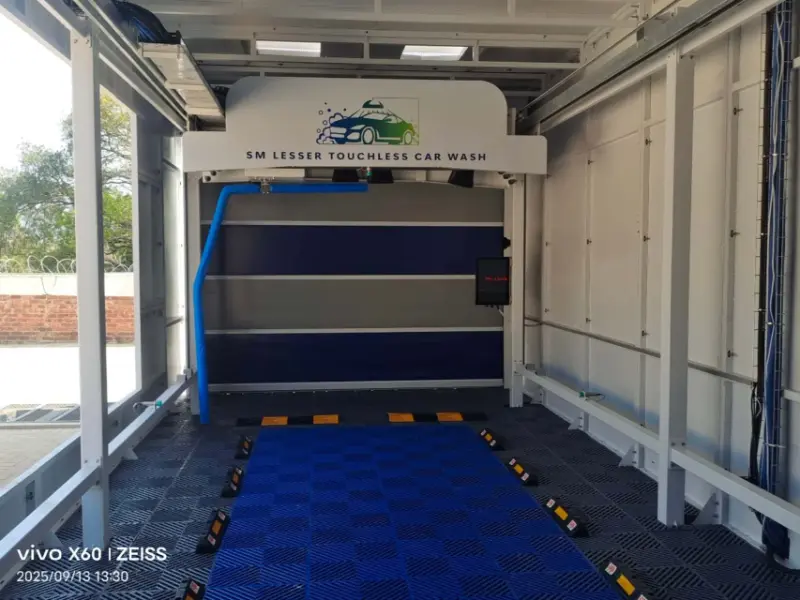
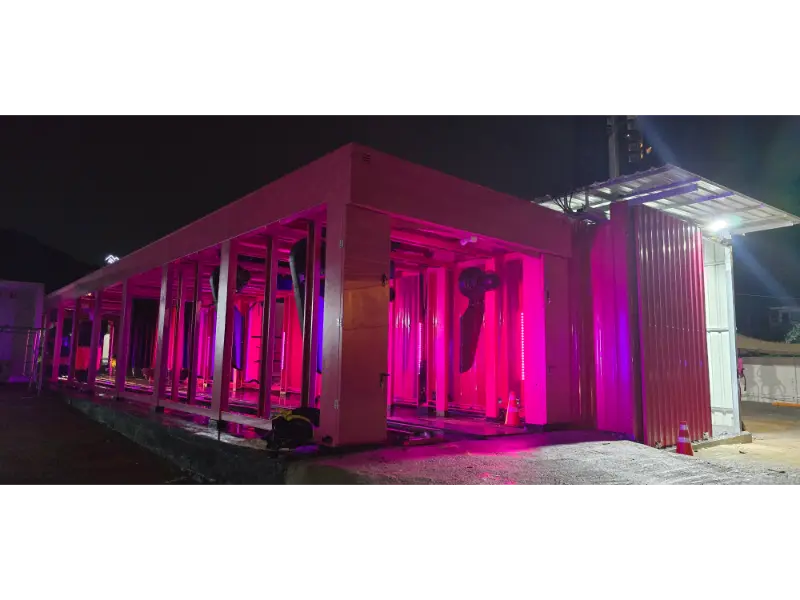
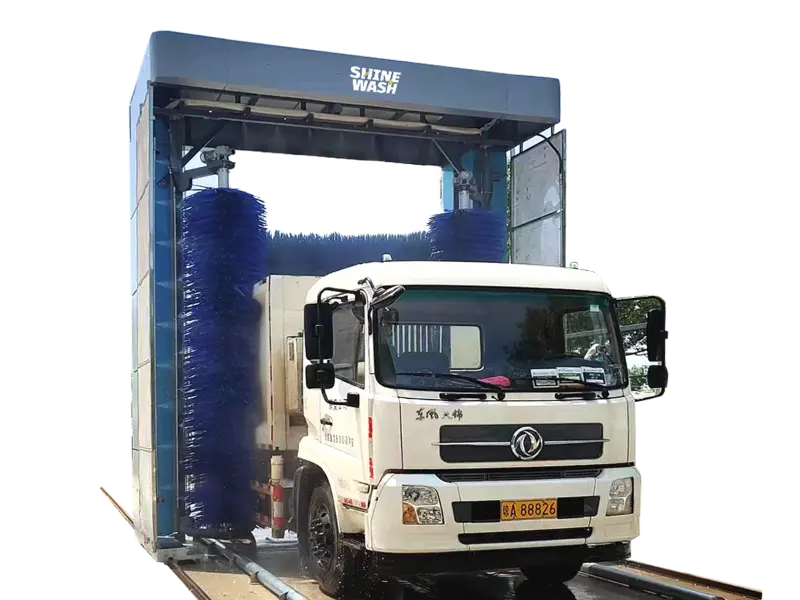
When evaluating automatic car wash equipment, several technical parameters directly impact performance and operating cost:
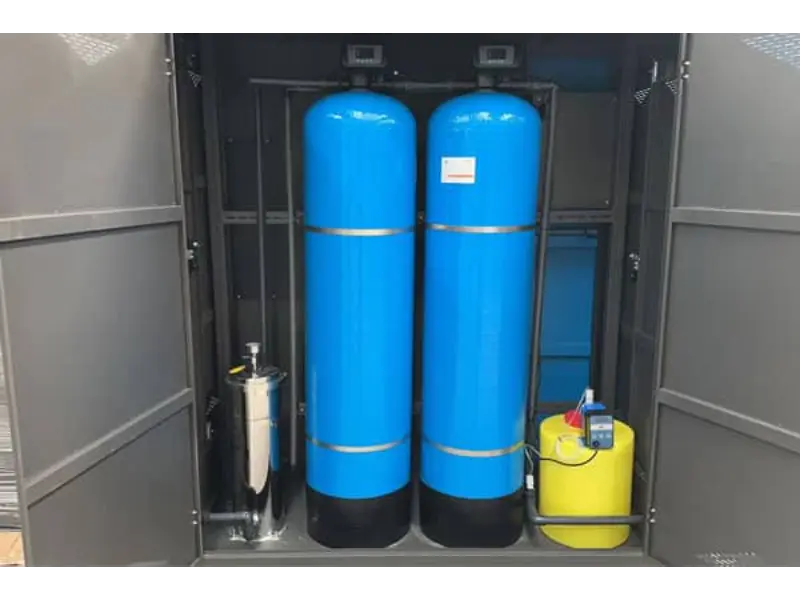
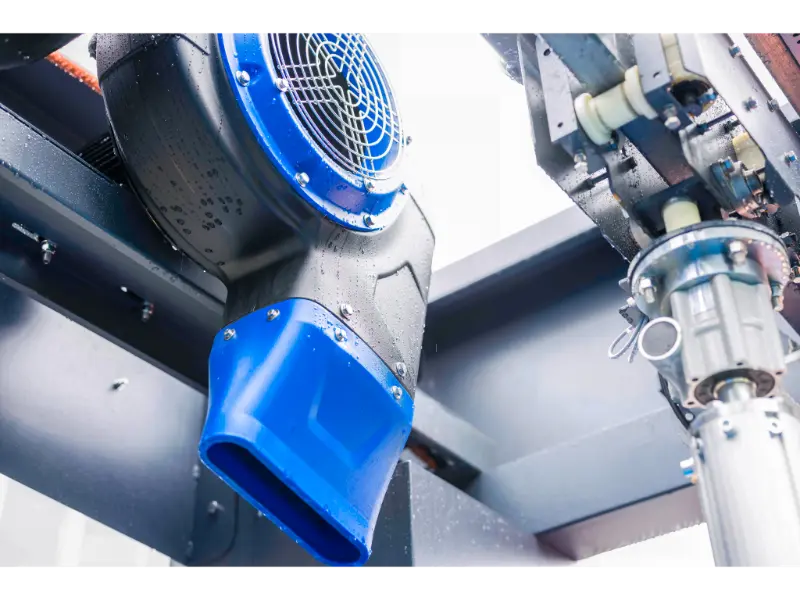
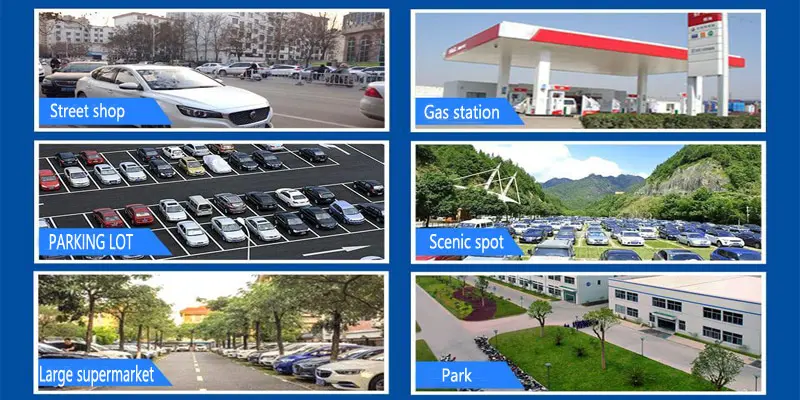
Automatic car wash systems support a wide range of commercial models. Independent car wash businesses benefit from unattended or semi-attended operations that reduce staffing needs. Gas stations and convenience stores use automatic car wash machines as high-margin add-on services.
Fleet operators—including logistics companies, rental agencies, and municipal fleets—use automatic car wash equipment to maintain vehicle appearance while minimizing downtime. Truck washes, in particular, depend on automation to handle consistent, large-scale cleaning requirements.
The automatic car wash machine cost varies based on system type, configuration, and capacity. Entry-level in-bay car wash machines typically require lower initial investment, while touchless and tunnel systems command higher upfront costs.
However, profitability is driven by long-term efficiency. Automated systems dramatically reduce labor expenses, ensure consistent wash quality, and allow for predictable pricing models. In many markets, well-utilized automatic car wash machines achieve full return on investment within two to three years.
Operating costs primarily include water, electricity, detergents, and routine maintenance. Compared to manual washing, these costs are more stable and easier to forecast.
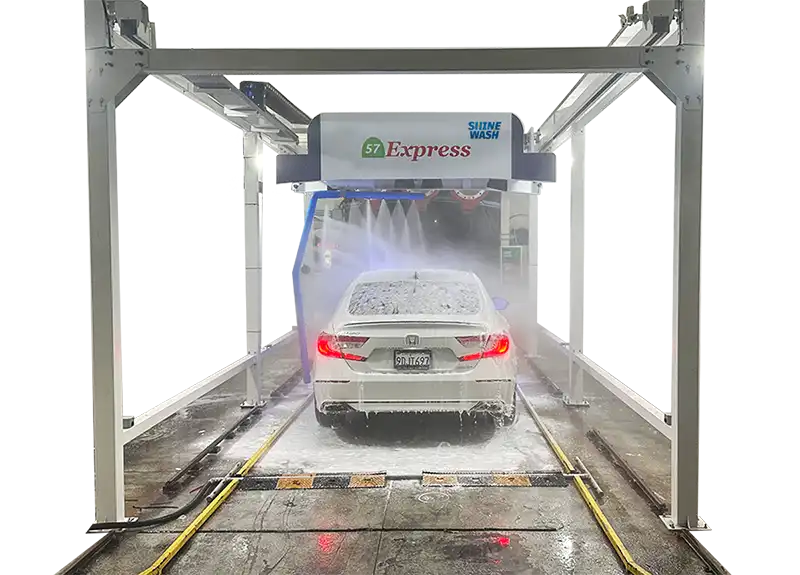
Demand for automatic car wash equipment continues to rise, particularly in urban areas. Touchless automatic car wash systems are gaining traction due to their paint-safe operation and lower mechanical wear.
Environmental regulations are also accelerating adoption. Water recycling, reduced chemical discharge, and controlled runoff make automated systems more compliant than manual washing alternatives.
Consumer behavior further supports growth. Drivers increasingly value speed, convenience, and consistent results—core advantages of automatic car wash machines.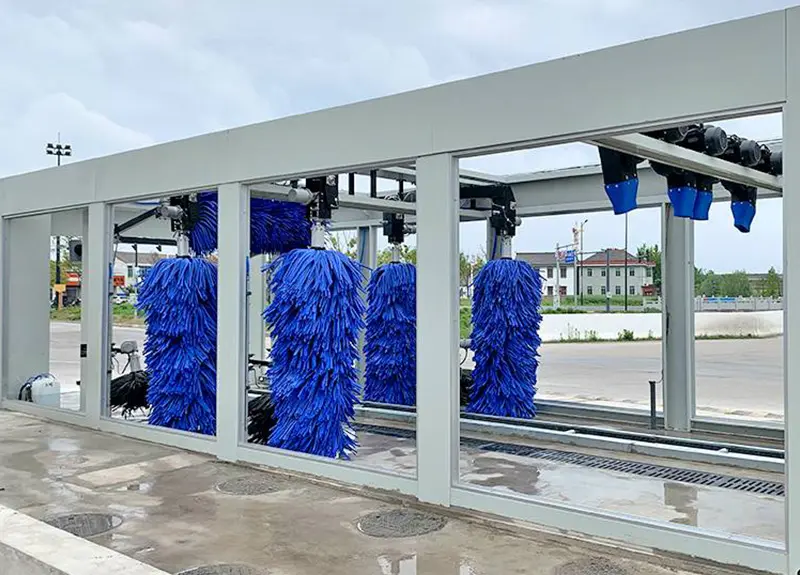
Selecting the correct automatic car wash machine begins with understanding site conditions and business objectives. Key considerations include:
| Comparison Factor | Touchless Automatic Car Wash Systems | In-Bay Automatic Car Wash Machines |
| Initial Investment | Higher system cost | Lower initial cost |
| Paint Safety | Excellent for delicate finishes | Suitable for most vehicles |
| Maintenance Needs | Lower mechanical wear | Moderate mechanical servicing |
| Ideal Use Case | Premium or eco-focused sites | Compact, high-turnover locations |
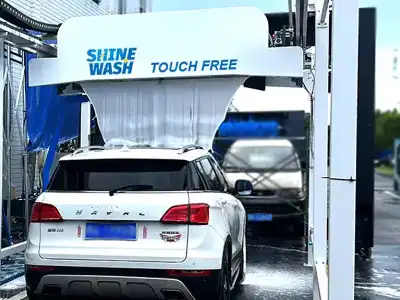
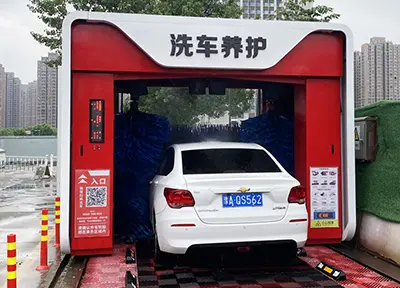
The reliability of an automatic car wash system depends heavily on the manufacturer. Established car wash equipment manufacturers offer better engineering, stronger quality control, and long-term parts availability.
Buyers should evaluate warranty terms, technical support response times, and customization capabilities. Asking detailed questions about automated car wash systems for sale—such as expected uptime, maintenance intervals, and software support—helps reduce operational risk.
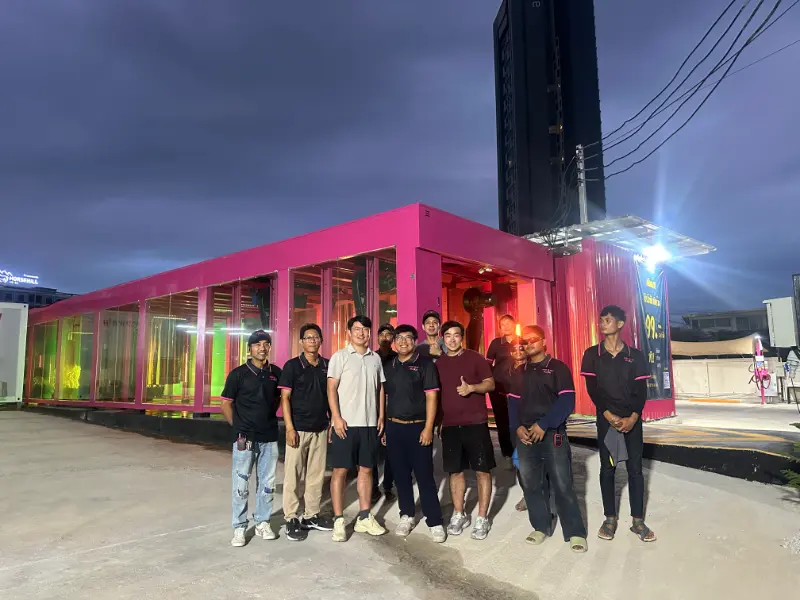
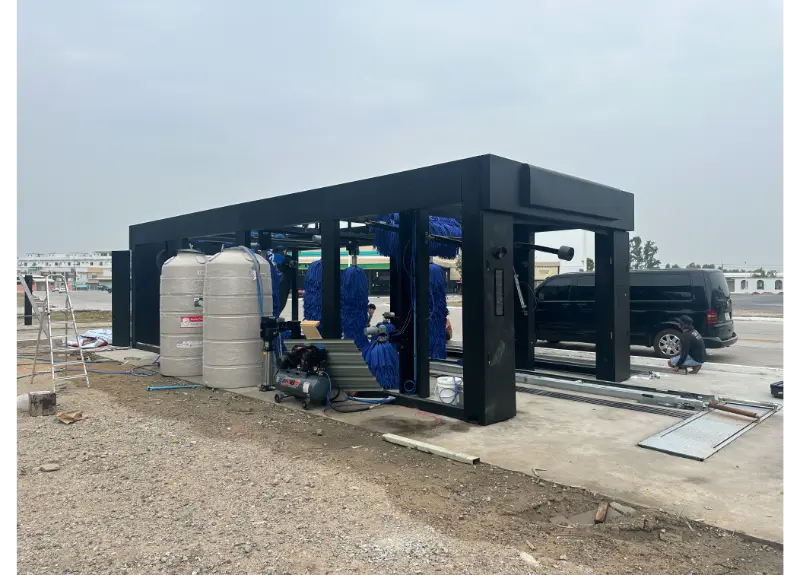
Proper installation is essential for long-term performance. Site preparation includes ensuring adequate power supply, stable water pressure, drainage capacity, and structural clearance.
Truck and commercial vehicle wash equipment requires reinforced foundations and expanded bay dimensions. Early planning minimizes delays and unexpected costs.
Although automatic car wash machines reduce labor needs, proper staff training remains important. Operators should understand daily inspections, basic troubleshooting, and chemical handling procedures.
Preventive maintenance schedules significantly improve uptime. Modern systems often include diagnostics that alert operators to performance issues before failures occur.
Revenue performance is typically calculated using a simple model: wash price multiplied by vehicle volume. Even small increases in daily throughput can substantially improve monthly revenue.
Maintenance and consumable costs for commercial car wash machines are predictable and manageable when systems are properly maintained. Maximizing uptime is the single most important factor in achieving strong ROI.
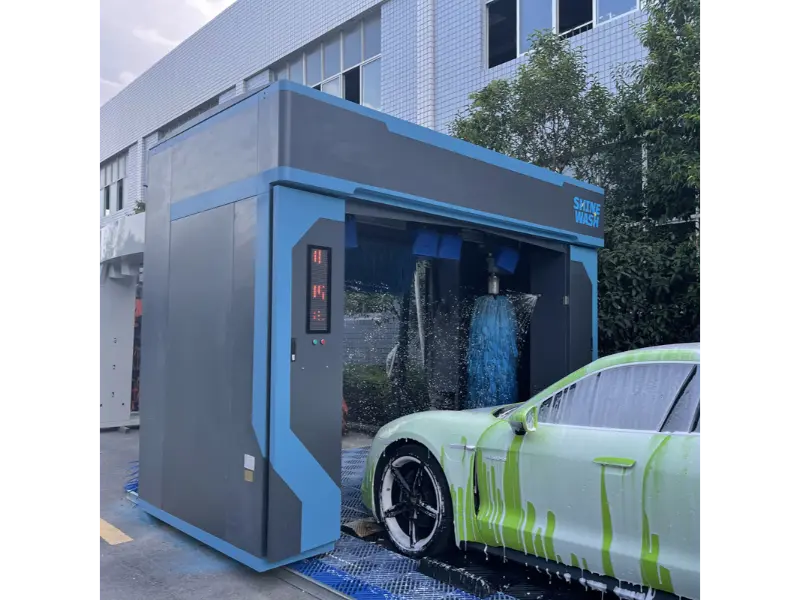
Automatic car wash equipment represent a proven path to operational efficiency and sustainable profitability. By understanding system types, cost structures, and performance metrics, business owners can make informed decisions that align with long-term goals.
With proper planning and manufacturer selection, an automatic car wash system becomes not just a piece of equipment, but a reliable revenue engine built for the future.
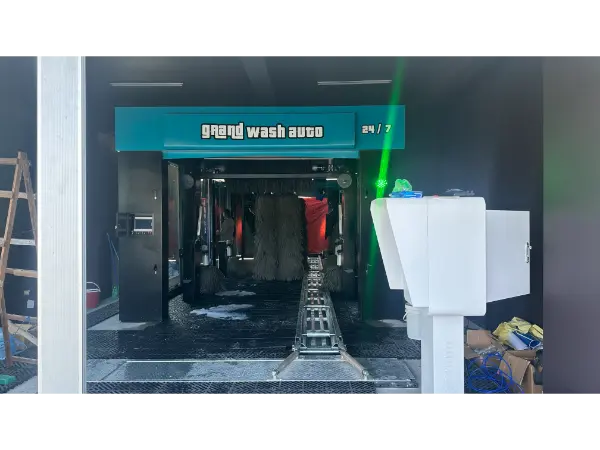
A reliable system consistently delivers over 95 percent uptime, incorporates intelligent diagnostics, and uses durable components designed for continuous operation. Most successful installations achieve payback within three years.
Pricing differences between Asia, North America, and Europe are influenced by manufacturing costs, shipping, import duties, and compliance standards. Direct sourcing from manufacturers often reduces total investment cost.
Yes. Compact in-bay and rollover automatic car wash machines are specifically designed for limited space and moderate traffic volumes, offering scalability as demand grows.
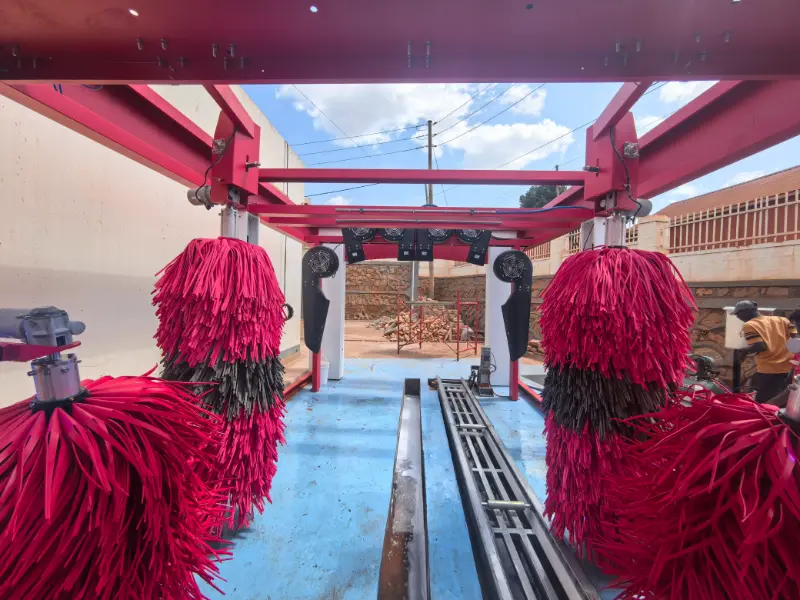
Contact Shinewash experts if you are interested in the Automatic Car Wash Equipment.