Building a car wash bay has become one of the most cost-effective and rewarding investments in the automotive business. With rising vehicle ownership and a need for accessible cleaning options, the global need for efficient car wash systems is only expanding.
Compared to huge tunnel car wash systems, a car wash bay configuration requires less space and expenditure while providing a consistent recurring income. Understanding the setup process is critical for long-term success, whether you plan to implement a self-service model or an automatic in-bay system.
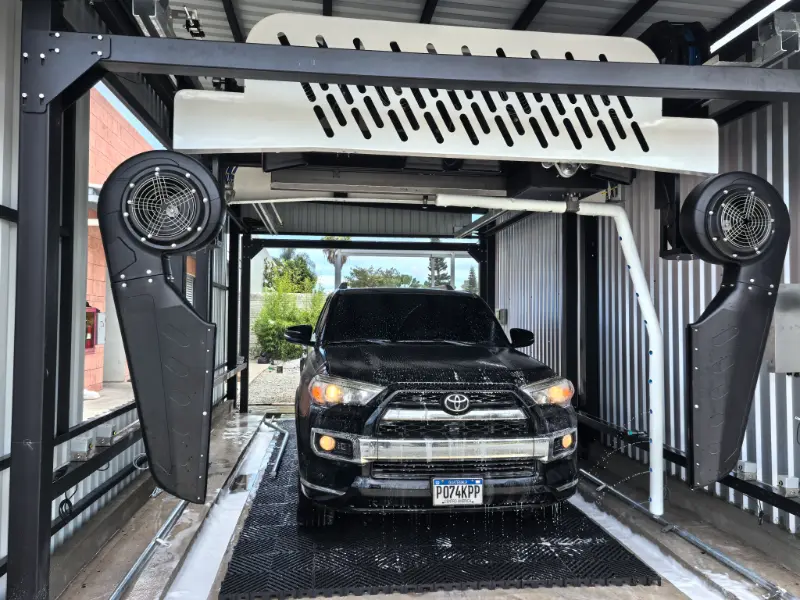
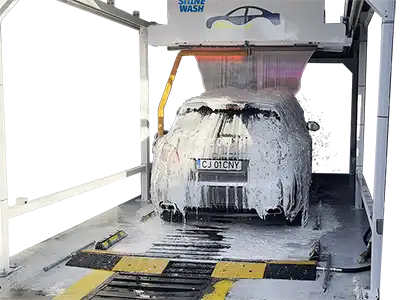
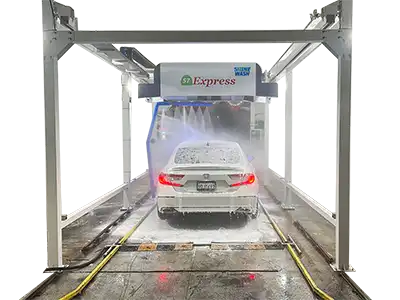
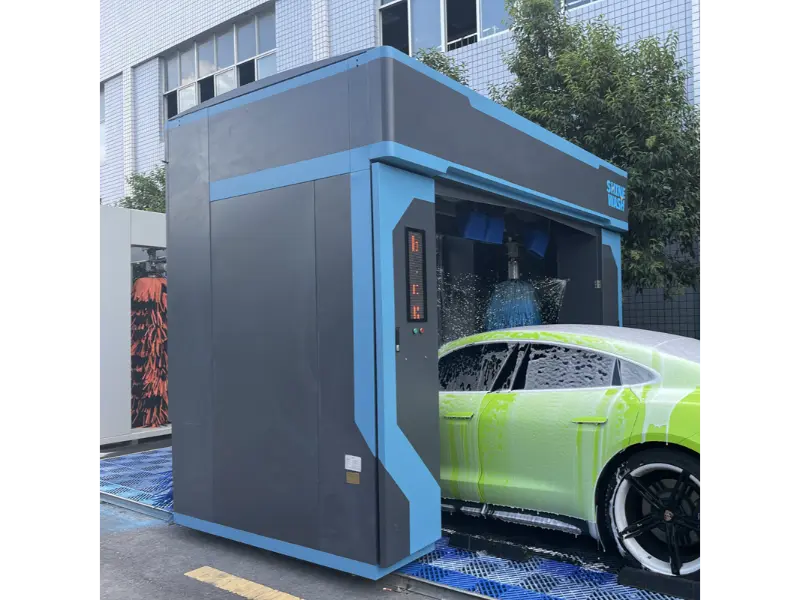
A car wash bay is a dedicated washing station where vehicles are washed by hand, semi-automated, or fully automatic technologies. It is normally structured as a single or multiple-bay structure that allows for precise and efficient cleaning operations.
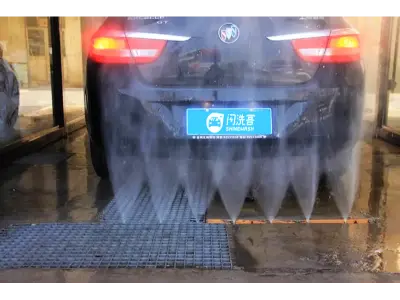
Common system types include self-service bays where consumers operate the equipment, automatic in-bay systems that handle washing without driver assistance, and modern touchless or friction systems that clean automobiles with either high-pressure water jets or soft materials.
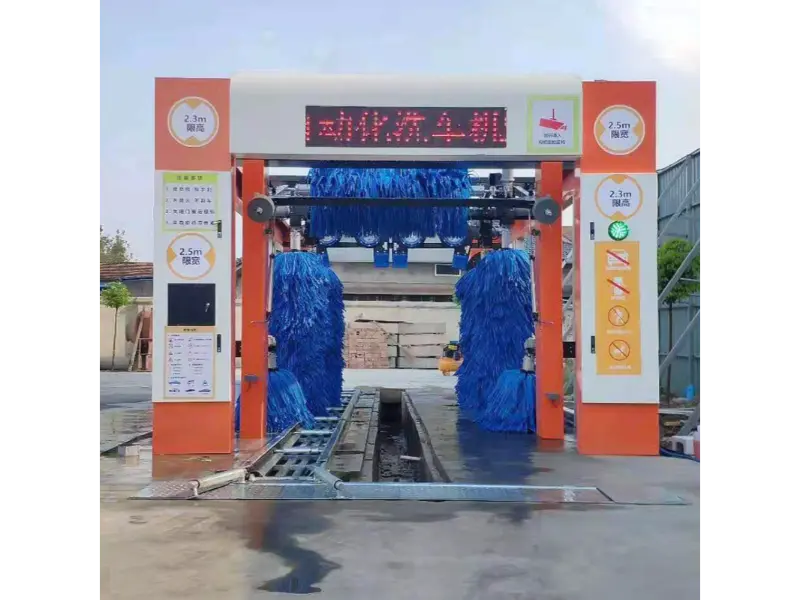
Car wash bays, as opposed to tunnel car wash systems, which transport automobiles along a lengthy conveyor line, are more compact, versatile, and suited for small spaces.
A successful car wash business begins with proper planning. Location is essential in establishing long-term profitability. High-traffic routes, gas stations, commercial districts, and residential areas with a high car ownership rate are typically the best options. Visibility and quick access are critical for gaining recurring clients.
Space planning should take into account diverse vehicle sizes. Standard bays must comfortably accept sedans, whilst larger SUVs and vans require greater width and height clearance. Many investors prefer multi-bay layouts to maximize client flow and income potential.
Land acquisition or leasing, construction work, equipment procurement, utility installation, and operations reserves should all be considered when developing a budget. A defined financial framework helps to avoid unanticipated costs during execution.
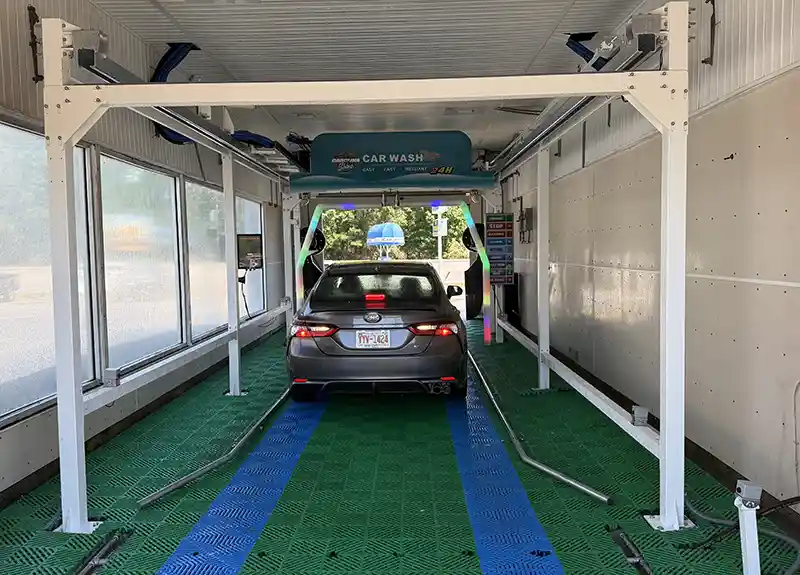
Building a car wash bay requires a methodical and staged approach.
It begins with a feasibility study that assesses market demand, competition, and expected return on investment. Once the business model has been established, the land is set up with adequate leveling and drainage systems to assure long-term viability.
Utility installation follows, which includes water supply systems, electrical wiring, and wastewater drainage or recycling options. These systems are critical for ensuring consistent everyday operations.
Following that, the actual structure is constructed with steel or concrete frameworks, as well as roofing, lighting, and safety features, to ensure longevity and customer satisfaction.
The next step is equipment installation, which often comprises high-pressure pumps, foam and chemical systems, computerized controls, and payment options. Finally, before being made available to the public, the system is thoroughly tested and commissioned to verify its safety and efficiency.
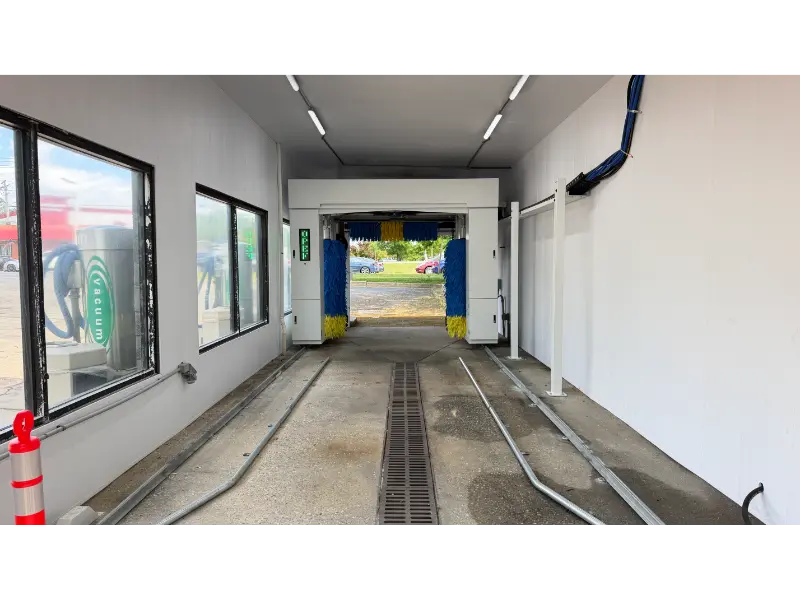
The quality of equipment used in a car wash bay has a significant impact on its performance. The operation is built on high-pressure washing systems, which are backed by foam and detergent injection units to assure excellent cleaning outcomes.
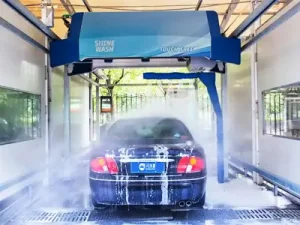
Water filtration and recycling systems are becoming increasingly significant in lowering operating costs and meeting environmental regulations. Air drying blowers improve finish quality, while digital control systems and current payment methods improve user experience and operational efficiency.
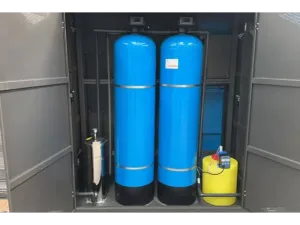
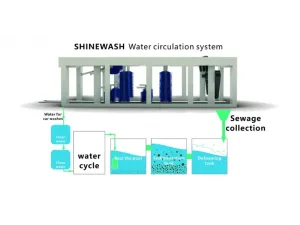
Investing in dependable and energy-efficient equipment lowers long-term maintenance costs and system downtime.
The total cost of building a car wash bay varies according to the size, location, and level of automation.
Land acquisition or rental, civil construction, washing equipment, installation labor, water treatment systems, and ongoing maintenance setup are all significant cost components.
A basic self-service bay typically has a cheaper initial cost and is easier to run. Fully automated car wash systems, on the other hand, need more upfront capital but provide increased throughput and decreased labor dependency, which may increase long-term profitability.
| Cost Component | Estimated Cost Range | Description |
| Land / Lease | Variable | Depends on location and site size |
| Construction | $10,000–$100,000+ | Foundation, drainage, structure, roofing |
| Car Wash Equipment | $20,000–$150,000+ | Self-service or automatic wash systems |
| Water Treatment System | $5,000–$50,000 | Filtration and recycling solutions |
| Installation | $5,000–$30,000 | Equipment setup and commissioning |
| Maintenance Reserve | Variable | Spare parts and operational backup |
A well-positioned car wash bay can create a constant daily income while incurring low operational costs. Pay-per-wash services, premium wash upgrades like waxing or underbody cleaning, subscription-based memberships, and additional services like vacuum stations are all common sources of revenue.
Profitability is heavily determined by geography, customer volume, and price strategy. In high-traffic areas, even a tiny multi-bay arrangement can achieve quick break-even and consistent long-term profits.
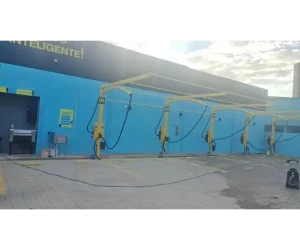
Car wash bays and tunnel car wash systems serve various business models and investment levels.
Car wash bay systems require a smaller initial investment and less area, making them ideal for startups and mid-sized investors. They allow for greater installation flexibility but handle fewer vehicles per hour.
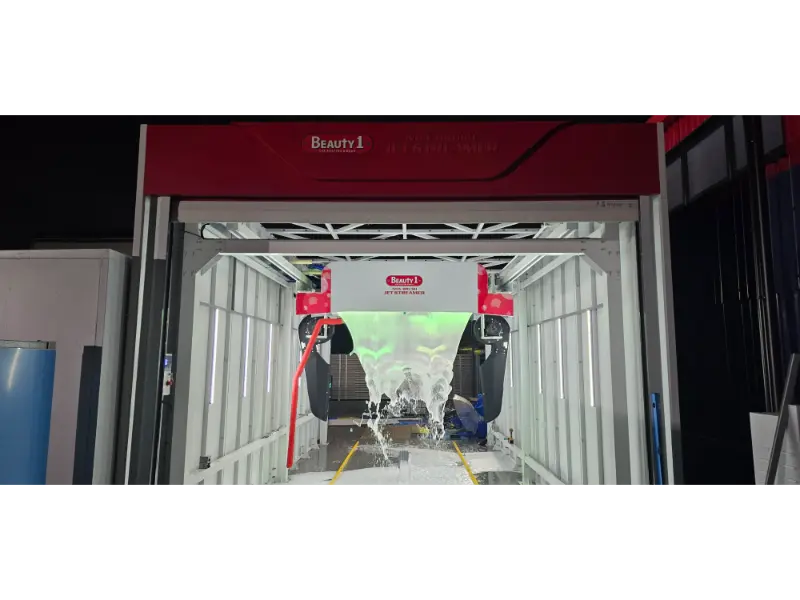
Tunnel car wash systems, on the other hand, require a large amount of room and capital expenditure. They are, however, built for high-volume operations and are best suited to crowded urban or highway environments where throughput is critical. Maintenance is significantly more complicated than in bay systems.

Building a car wash bay is an excellent business opportunity for investors looking for a scalable and consistent income stream. It provides a balanced mix of moderate investment, adaptable design, and increasing market need.
Success relies on finding the correct location, investing in long-lasting equipment, and running efficient operations. With appropriate planning, a car wash bay can grow into a long-term, profitable automobile service business.
Contact Shinewash experts if you are interested in the car wash bay!