As the demand for fast and efficient vehicle cleaning continues to grow, more investors are entering the car wash industry. Understanding how to install automatic car washing machine systems correctly is essential for maximizing performance, reducing maintenance issues, and ensuring long-term profitability.
Whether you plan to build a rollover car wash system, touchless car wash, or tunnel car wash, proper planning and installation directly impact operating efficiency and customer satisfaction. In this guide, we will explain the complete installation process, equipment selection tips, and automatic car wash installation cost details.
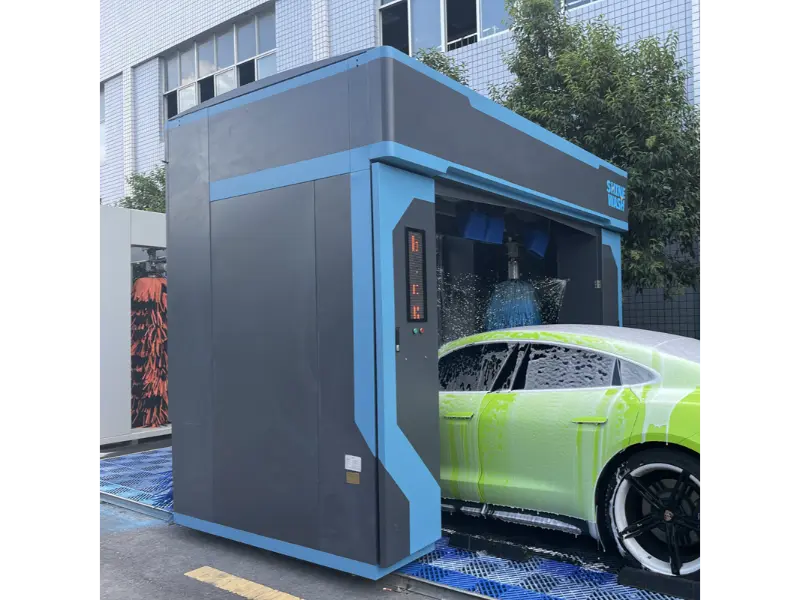
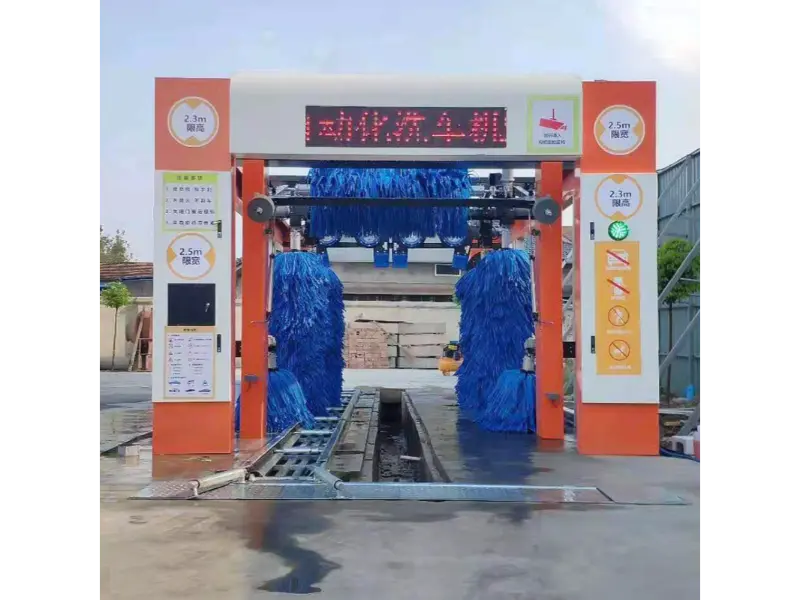
Before starting installation, selecting the correct macLhine type is the first and most important step. Different systems are designed for different business models, traffic volumes, and site conditions.
| System Type | Price Range | Best Application |
| Tunnel Car Wash System | $100,000–$500,000+ | High-volume car wash stations handling 60–150 cars/hour |
| Rollover Car Wash System | $30,000–$150,000 | Compact sites with 30–60 cars/hour |
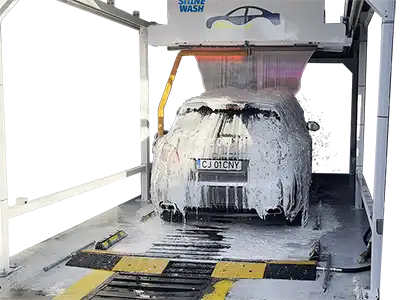
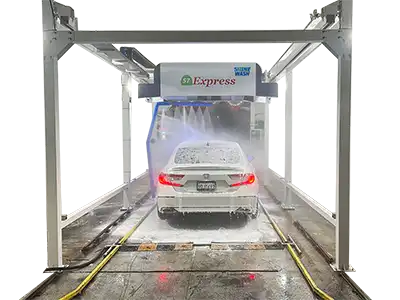
| Touchless Car Wash System | $20,000–$50,000 | Vehicles requiring non-contact cleaning |
Among these options, rollover systems are especially popular for startups and medium-sized car wash businesses because they require less installation space and lower initial investment.
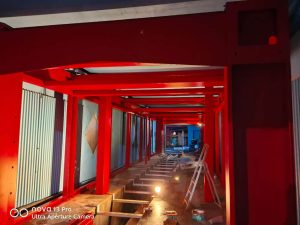
Choosing the right system is the foundation of a successful automatic car wash installation project.
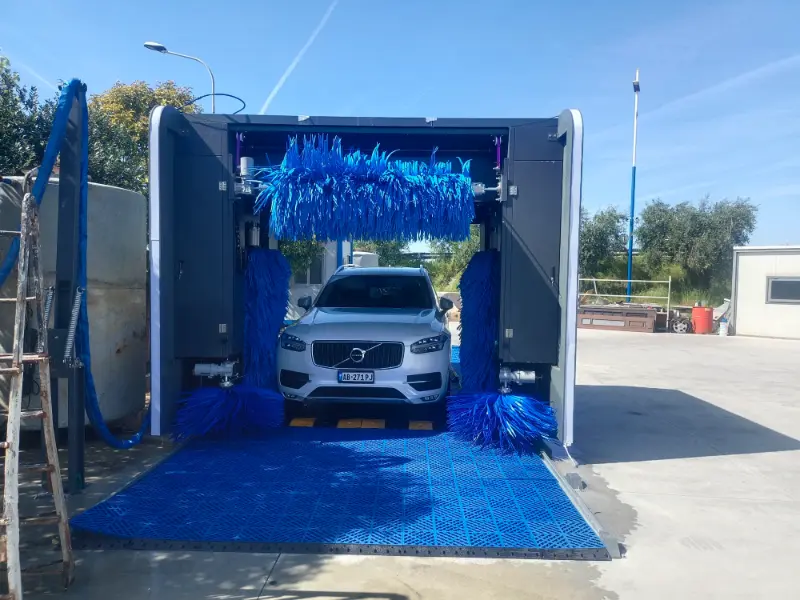
Proper site preparation helps avoid costly delays during installation. Before equipment arrives, the installation location should meet several technical requirements.
The wash bay dimensions must match the selected machine model. For rollover car washes, sufficient clearance is needed for brush movement, drying systems, and vehicle entry/exit.
Tunnel car wash equipment requires longer conveyor tracks and additional room for pre-wash and drying zones.
Automatic car wash systems typically require:
For most rollover systems, a 380V/20KVA power supply is recommended.
The concrete foundation must support the total operating weight of the machine. Most manufacturers recommend reinforced concrete pads designed for industrial equipment loads.
Poor foundation preparation can lead to alignment problems, vibration, and equipment wear over time.
The actual installation process usually takes several days depending on machine complexity and site conditions.
The first stage involves preparing and assembling the main machine structure.
A reinforced concrete pad is poured according to the manufacturer’s engineering drawings. The foundation must remain level to ensure smooth equipment movement.
The galvanized steel structure is then assembled and anchored securely to the foundation. Many modern rollover systems use mortise-tenon frame structures for improved durability and easier assembly.
Corrosion-resistant galvanized steel helps extend machine lifespan in wet operating environments.
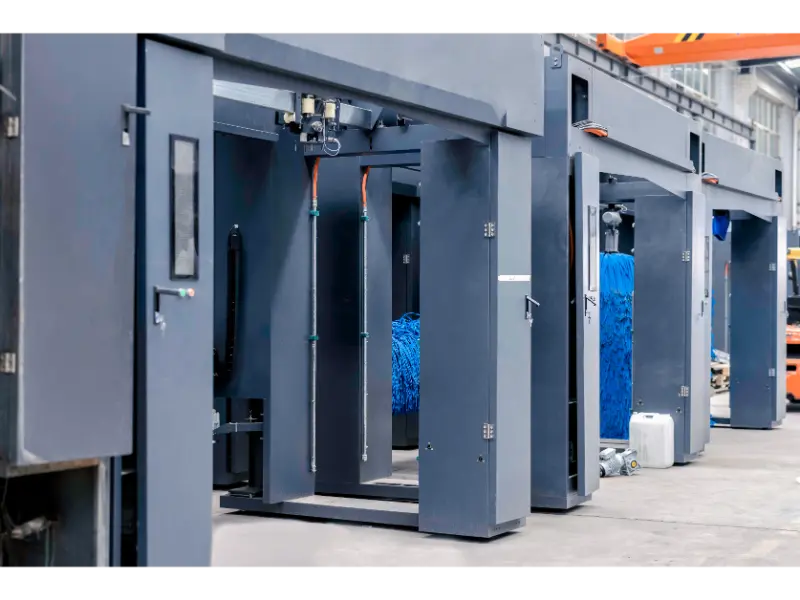
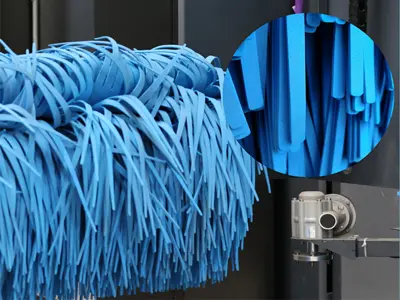
After the frame is secured, technicians install the key operating modules.
This stage includes mounting:
All moving components must be aligned precisely to prevent uneven washing performance.
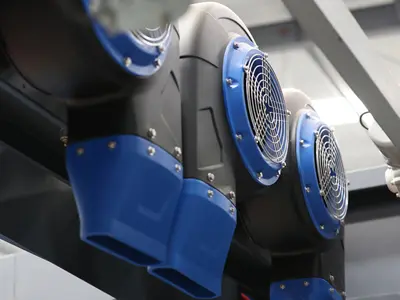
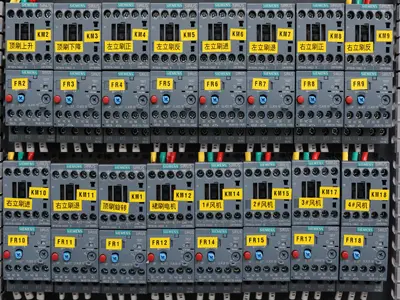
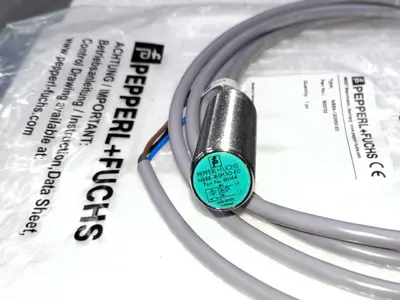
Modern automatic car wash machines rely heavily on intelligent control systems.
Technicians install:
These components improve washing accuracy and operational safety.
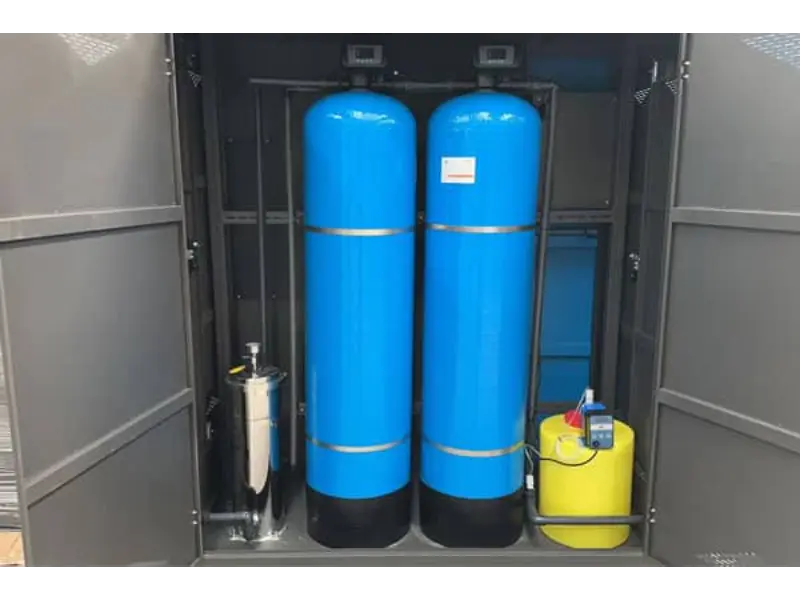
The machine is connected to:
Cold-climate installations may also require antifreeze drainage protection systems to prevent winter pipe freezing.
Once mechanical and electrical installation is complete, technicians perform calibration and testing procedures.
Vehicle detection sensors must be adjusted according to bay width and vehicle dimensions.
Improper calibration can lead to positioning errors and incomplete cleaning coverage.
The machine operates without vehicles during initial testing to verify:
Emergency stop systems and safety override functions are tested to ensure safe operation under all conditions.
This is one of the most critical stages when learning how to install automatic car washing machine systems professionally.
The total automatic car wash installation cost depends on machine size, automation level, local labor rates, and construction complexity.
| Expense Category | Estimated Cost |
| Professional Equipment Installation | $5,000–$15,000 |
| Foundation Construction | $3,000–$15,000 |
| Electrical Connections | $1,000–$5,000 |
| Plumbing & Drainage | $1,000–$5,000 |
| Water Recycling System | $2,000–$10,000 |
| Total Rollover Installation Cost | $9,000–$35,000 |
Tunnel car wash systems generally involve much higher installation expenses due to conveyor systems, larger structures, and more advanced drying equipment.
Businesses should also budget for permits, transportation, and initial chemical supplies.
After completing the installation, regular maintenance is essential for maximizing equipment lifespan and reducing downtime.
Operators should:
Technicians should lubricate moving components and inspect belts, motors, and bearings.
A full system inspection is recommended annually. Professional maintenance costs typically range from $1,000–$5,000 depending on system complexity.
Preventive maintenance significantly reduces long-term repair expenses.
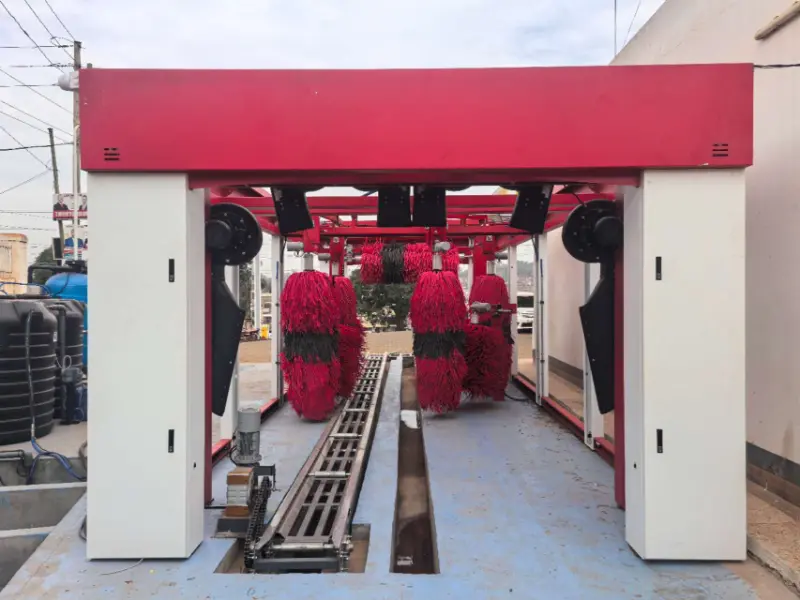
Even fully automatic systems require proper operator training.
Staff should understand:
Well-trained operators help improve customer satisfaction and reduce operational mistakes.
Many new investors encounter problems because of improper planning or rushed installation.
Common mistakes include:
Working with experienced manufacturers and installation teams helps avoid these issues.
Professional installation ensures:
Experienced installers can also optimize equipment positioning and workflow efficiency for higher throughput.
For businesses investing in automatic wash technology, professional installation is one of the most important factors affecting long-term profitability.
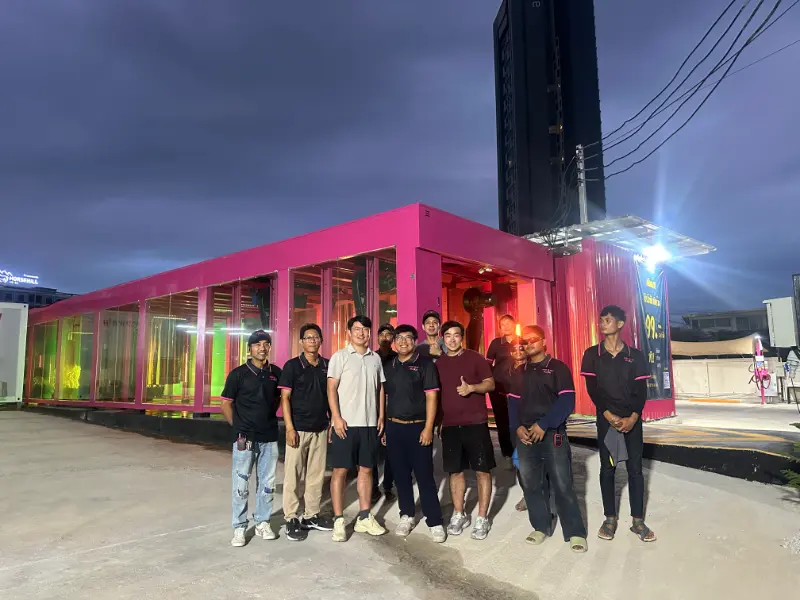
Proper installation is the key to achieving efficient operation, lower maintenance costs, and long-term profitability in the car wash industry. From selecting the right equipment to completing system calibration, every step plays an important role in the performance of your automatic car wash machine.
If you are planning to invest in a rollover, touchless, or tunnel car wash system, our professional team can provide customized solutions, installation guidance, and reliable technical support for your project.
Contact us today to get expert advice and a free quote for your automatic car wash installation project.