Water is one of the most critical resources in the car wash industry. Traditional vehicle washing methods consume a large amount of freshwater every day, increasing operating costs and placing pressure on local water resources.
As environmental regulations become stricter and utility prices continue to rise, many operators are searching for ways to reduce water consumption without sacrificing cleaning quality.
A car wash with water recycling system provides an effective solution. By collecting, filtering, and reusing wastewater generated during the washing process, these systems dramatically reduce freshwater consumption while maintaining high washing performance.
In many modern facilities, water recycling technology can reduce freshwater usage by up to 80–85%, making it a powerful tool for both sustainability and profitability.
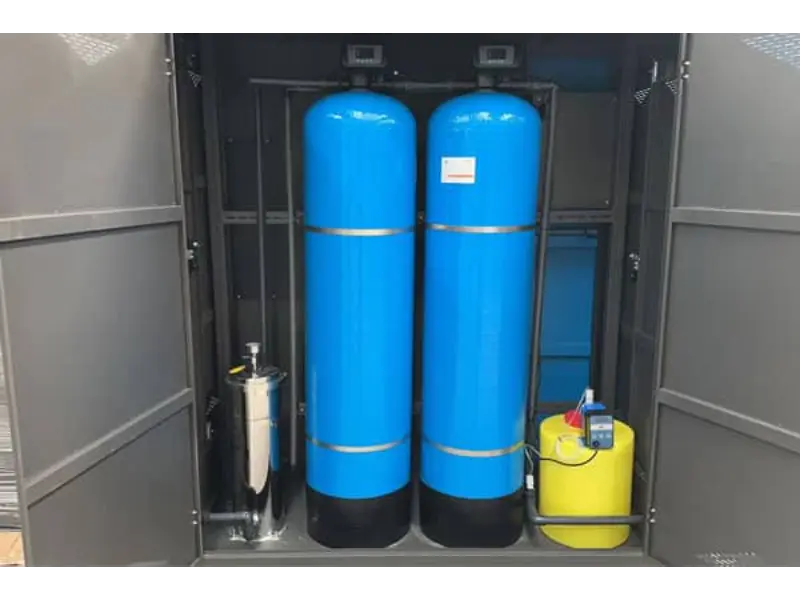
A car wash with water recycling system is designed to capture wastewater produced during vehicle washing and treat it so it can be reused in future wash cycles.
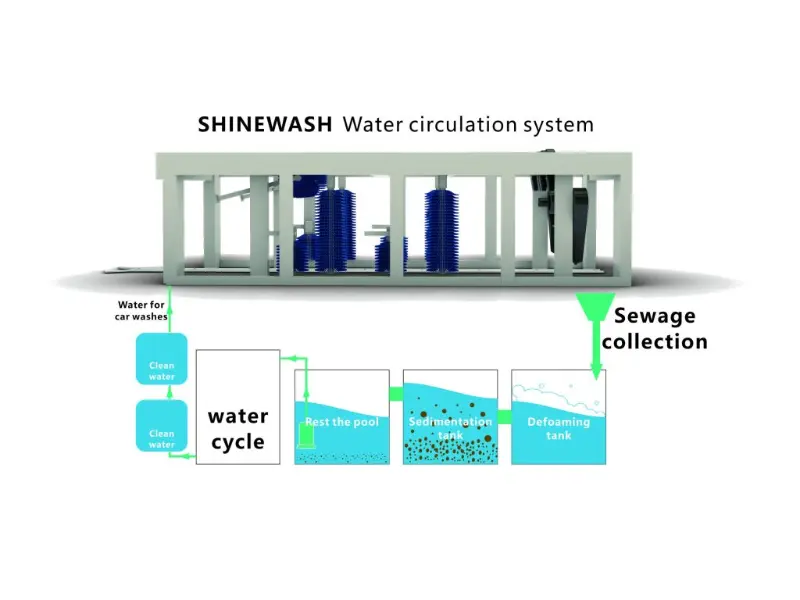
During the car washing process, water flows into drainage channels and is directed into a collection tank. This tank acts as the starting point for the recycling process.
Heavy particles such as mud, sand, and gravel naturally settle at the bottom of the tank. This sedimentation stage removes large debris and prevents damage to pumps and filtration equipment.
After sedimentation, the water moves into the filtration stage. Multi-layer filtration systems remove smaller contaminants, including suspended solids, soap residues, and organic particles.
Advanced filters ensure that the recycled water remains clear and suitable for reuse in automatic car wash operations.
The final stage is disinfection. Technologies such as ultraviolet (UV) treatment or ozone sterilization eliminate bacteria and microorganisms.
Once the water passes through this stage, it can safely return to the washing system and be reused for future vehicle cleaning cycles.
Traditional car washing methods consume a large amount of freshwater. A single vehicle wash may use between 50 and 60 gallons of water depending on the washing method.
With a recycling system installed, most of this water can be reused after treatment, reducing freshwater usage to less than 10 gallons per vehicle.
Lower water consumption means significantly reduced utility bills, especially in regions where water prices or wastewater discharge fees are high.
Modern recycling systems use variable-frequency drive technology to control pumps and optimize electricity consumption.
By adjusting pump speed according to real-time demand, these systems reduce unnecessary energy usage while maintaining stable water pressure.
Automation also helps reduce maintenance expenses. Many recycling systems include built-in monitoring features that detect problems such as filter blockage or pump malfunction.
These early alerts allow operators to perform maintenance quickly and avoid costly downtime.
Installing a car wash with water recycling system helps reduce wastewater discharge into municipal drainage systems.
Because the system continuously treats and reuses water, fewer pollutants enter the environment.
Water recycling systems significantly reduce freshwater consumption. This is particularly important in regions facing drought conditions or water shortages.
Customers are increasingly choosing environmentally responsible businesses. Car wash facilities that use recycling systems can promote eco-friendly washing services and attract more customers.
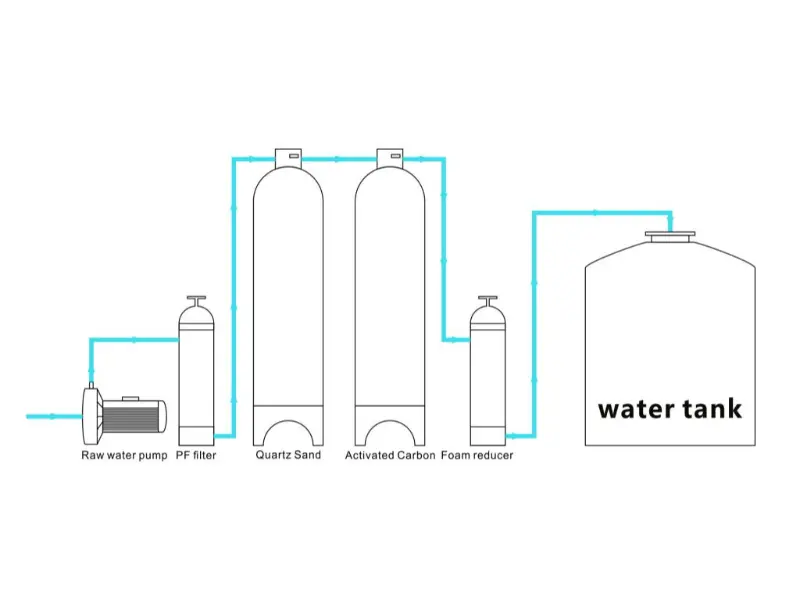
Sedimentation systems rely primarily on settling tanks to remove heavy particles from wastewater.
These systems are relatively simple and cost-effective but may not provide the highest water reuse efficiency.
Filtration systems use multi-layer filters to remove smaller contaminants from the water.
They provide better water quality and are suitable for most commercial car wash operations.
Advanced recycling systems combine filtration with biological treatment, UV sterilization, or ozone treatment.
These systems offer the highest purification level and are commonly used in large automatic car wash facilities.
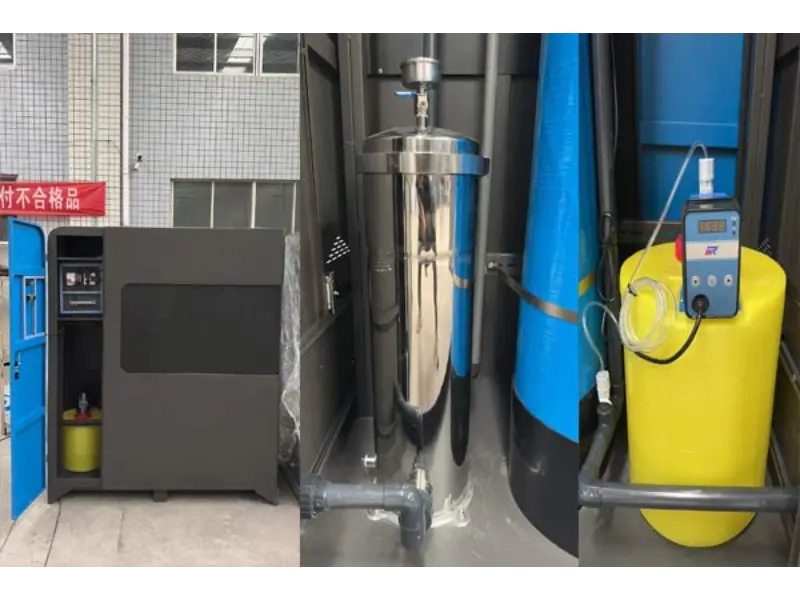
| Feature | Specification | Impact |
| Filtration Capacity | 6 tons/hour | Handles high-volume operations |
| Power Consumption | 200W (220V) | Lower operating costs |
| Safety Protections | Leakage/fault self-checking | 24/7 reliability |
| Remote Control | Embedded OS + cloud access | Real-time adjustments |
Operators must ensure that there is adequate space for sedimentation tanks, filtration units, and storage tanks.
Proper drainage channels are also required to direct wastewater into the recycling system.
The recycling system must be connected to stable power and water supply systems.
Pumps, monitoring equipment, and filtration units all require reliable infrastructure to operate effectively.
Choosing a scalable system allows operators to increase vehicle washing capacity without replacing the entire recycling unit.
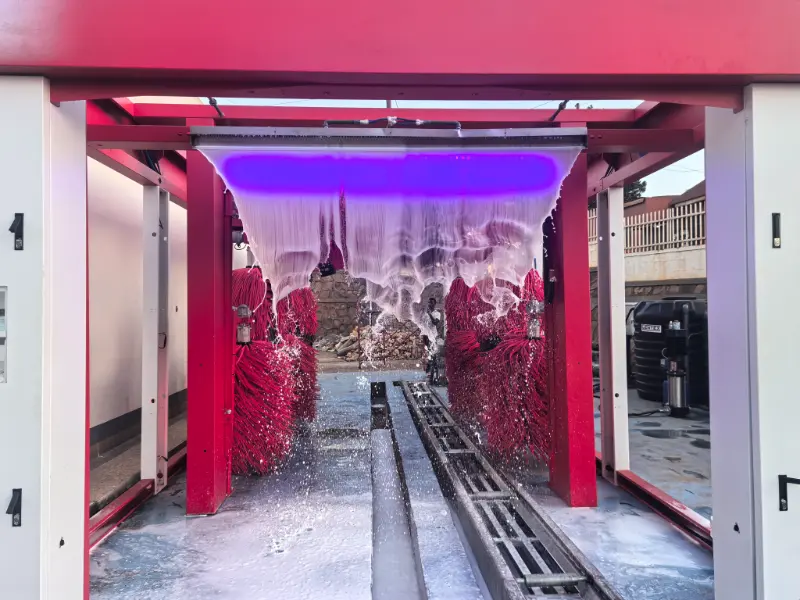
Water conservation is becoming one of the most important challenges in the car wash industry.
A car wash with water recycling system allows operators to reduce water consumption, lower operating costs, and comply with environmental regulations.
For investors planning to build or upgrade a car wash facility, installing a water recycling system is a smart long-term investment that improves both sustainability and profitability.
Contact Shinewash experts if you are interested in the car wash machines with water recycling system.