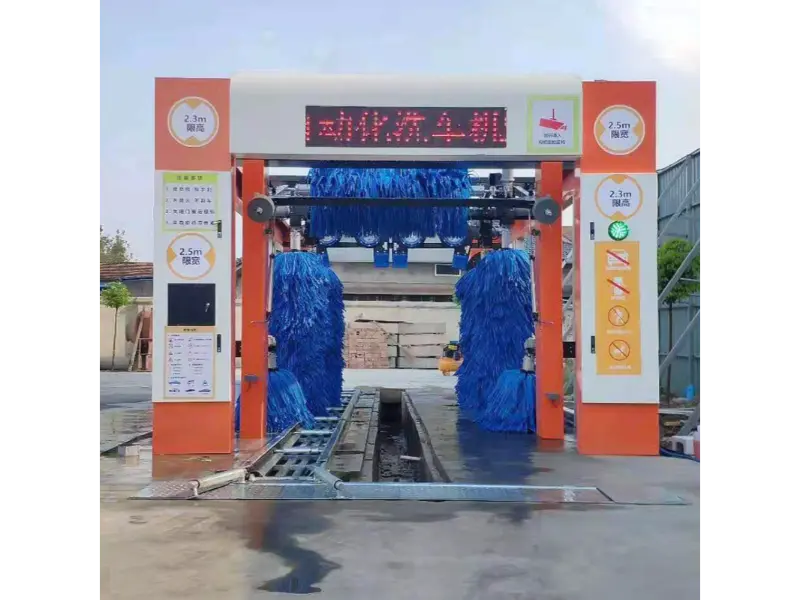
Automatic vehicle wash systems are becoming increasingly popular worldwide as businesses seek profitable, labor-saving, and productive alternatives. Whether you’re starting a new car wash business or replacing your existing equipment, one key question remains: should you buy a car wash machine from China or the West?
Price is no longer the only consideration in this comparison. Nowadays, consumers examine a range of factors, such as technology, building quality, customization, and long-term ROI. Investors can make more informed and lucrative judgments if they understand the underlying differences between these two markets.
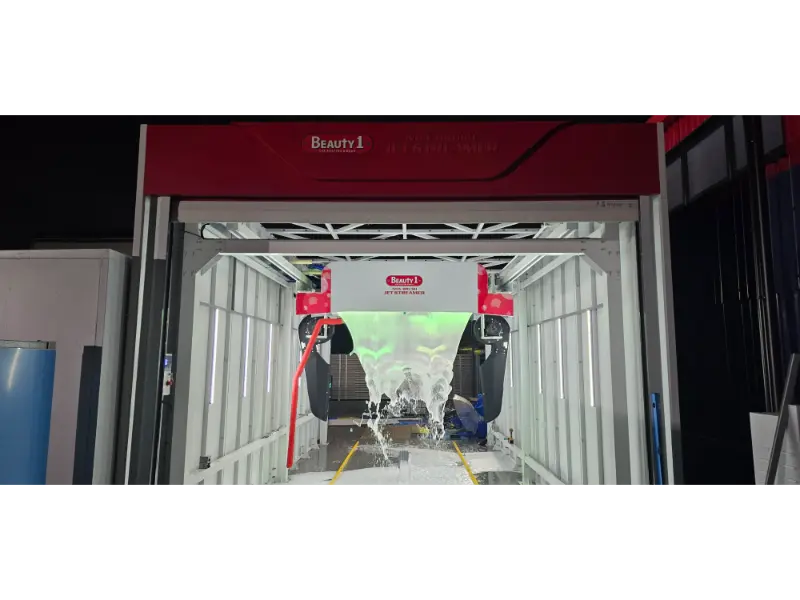
China is becoming one of the world’s leading manufacturers of automatic vehicle washes. When an industrial ecosystem is well-developed, manufacturers benefit from lower manufacturing costs, more efficient supply chains, and increased export opportunities.
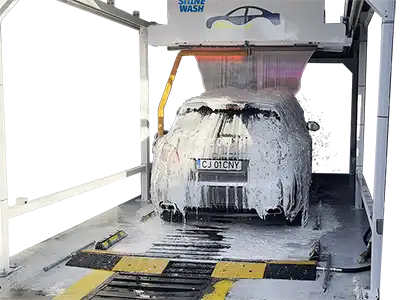
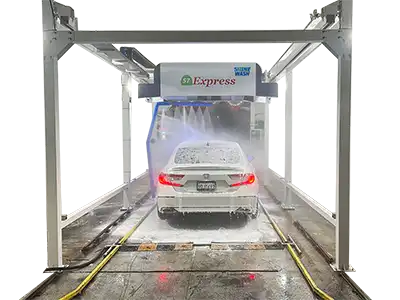
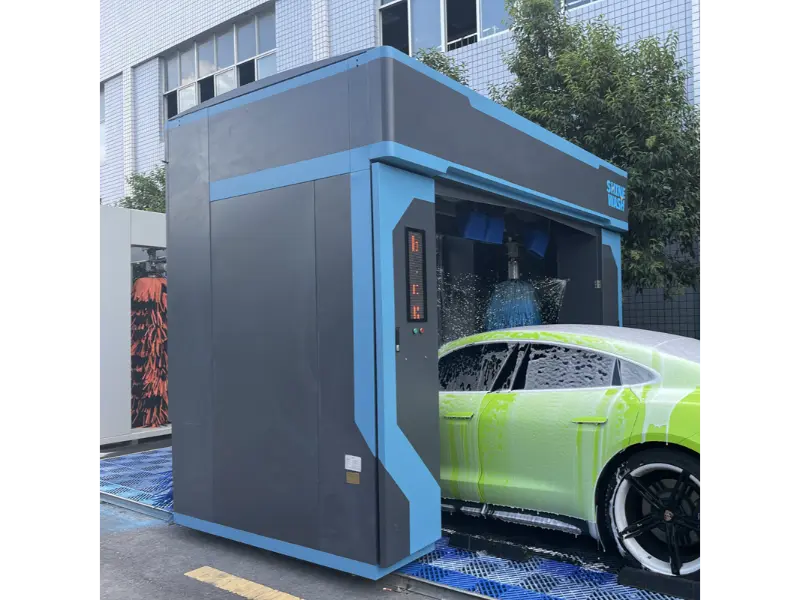
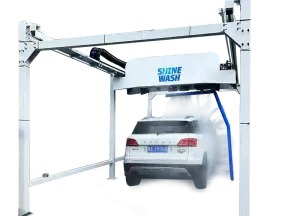
Chinese producers have maintained competitive prices while significantly improving product quality over the last ten years. Today, some suppliers deploy sophisticated touchless and tunnel car wash systems to serve international markets.
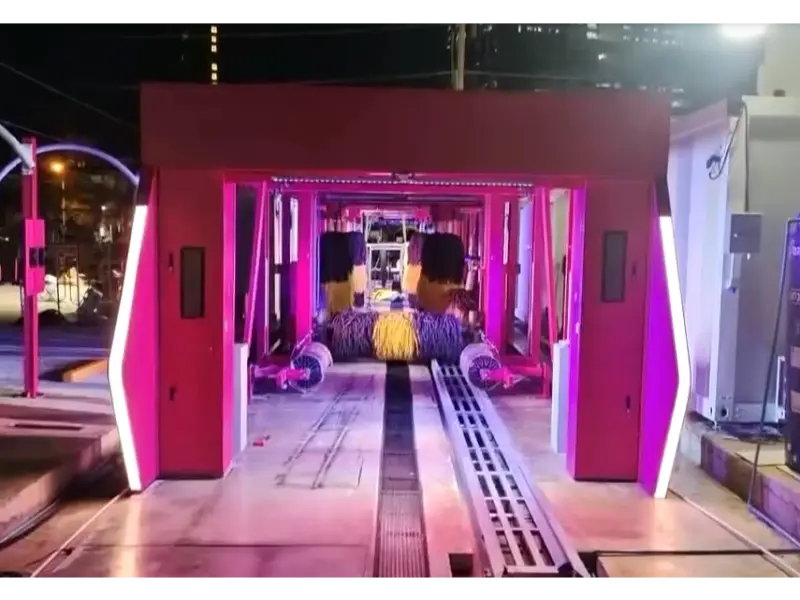
Western nations, particularly the United States and Europe, have long dominated the automobile wash market. High-end machinery, high quality criteria, and a well-known brand are among its distinguishing features.
These organizations typically target established markets with greater budgets, focusing on high-end equipment designed for long-term durability and steady performance.
The most evident difference between Chinese and Western car wash machines is usually the pricing.
Chinese machinery frequently demands a far lower initial outlay of dollars. Large-scale production, lower labor costs, and a fiercely competitive supplier market are the key reasons for this. This reduces the financial barrier to entry for new investors significantly.
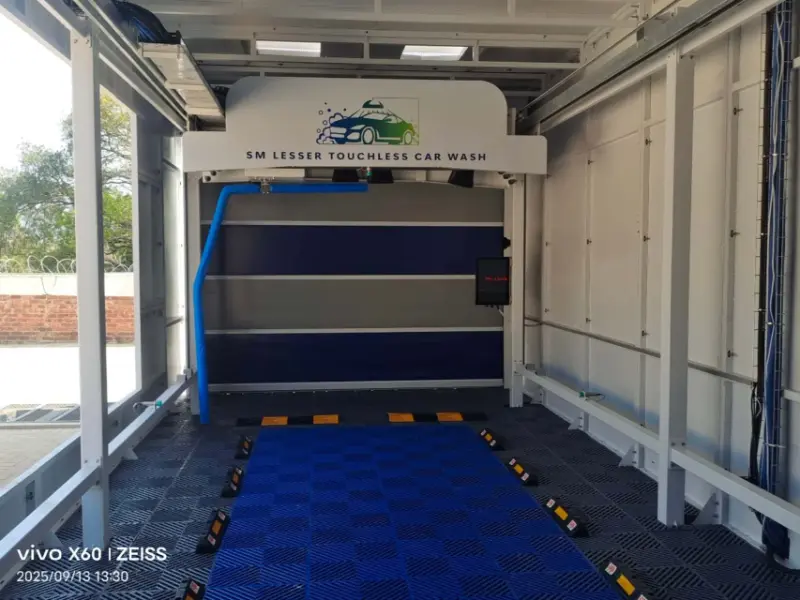
In contrast, Western machines are more expensive. This expense is driven by established distribution networks, local manufacturing expenses, and brand value. Some purchasers see the higher initial cost as a trade-off for perceived dependability and local support.
Western manufacturers used to have a large technological advantage, but this gap has narrowed significantly. Western systems are still widely recognized for their highly standardized and developed designs. Their safety measures, control software, and automation systems are routinely dependable and thoroughly tested.
On the other hand, Chinese manufacturers are rapidly catching up. Nowadays, many have complex control systems, high-precision sensors, and touchless cleaning technology. Because of the shorter development cycles, they may embrace new features even faster.
Today, both markets offer:
The difference is no longer about availability, but about refinement and brand ecosystem.
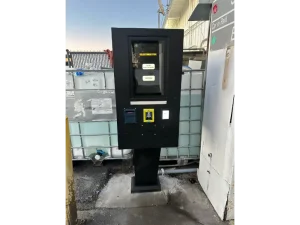
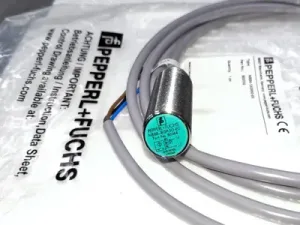
When comparing Chinese and Western car wash machines, build quality remains one of the most debated topics.
Western manufacturers have long prioritized durability. High-end motors, premium-grade steel, and parts designed for long-term operation in high-volume environments are typically employed in their equipment.
In this sense, Chinese producers have made great progress. Nowadays, many people choose durable pumps, stainless steel constructions, and imported parts. The manufacturer has a higher impact on overall quality than the nation.
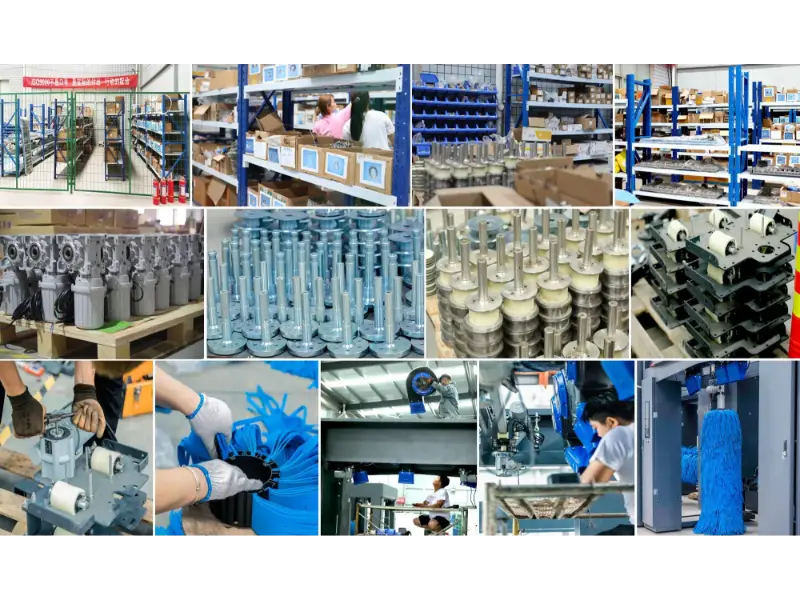
This means that picking a trustworthy provider is more important to clients than focusing only on provenance.
One of the most significant advantages of Chinese car wash machine providers is customisation.
Generally, Chinese manufacturers offer flexible OEM and ODM services. This allows purchasers to customize the machine’s size, branding, functionality, and even software to meet their specific site requirements. This flexibility is especially useful for investors with specific design or market requirements.
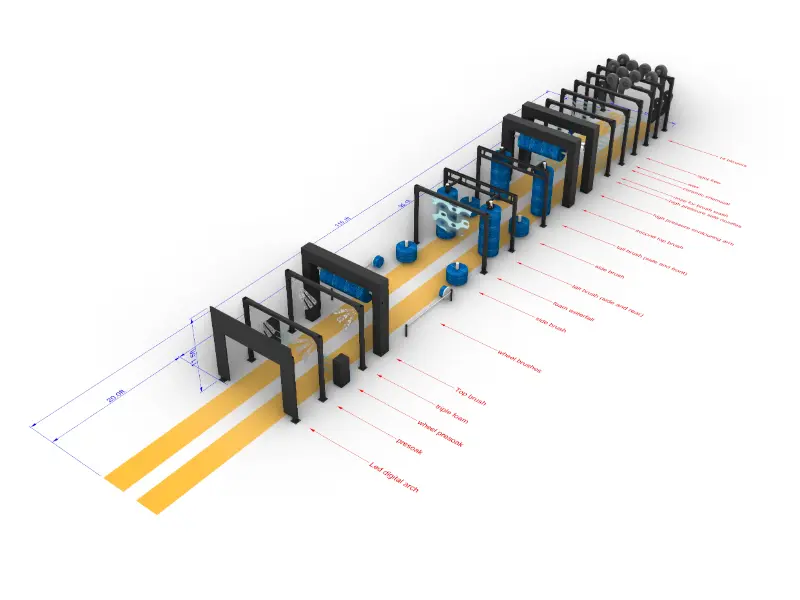
Western producers, on the other hand, are more likely to sell standard variants. Despite their great level of optimization, these systems have limited modification options.
Installation schedules vary depending on location and supplier.
Although international shipping can take several weeks, depending on the destination, Chinese manufacturers usually have faster production schedules. To avoid delays, meticulous planning is required.
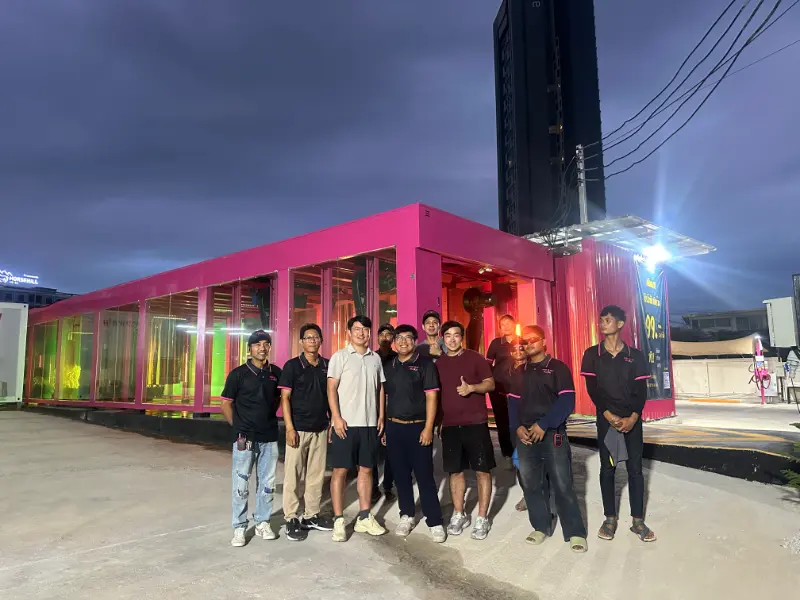
Local inventory and shorter transport distances benefit Western providers, especially in their larger markets. Customers in certain places may have much decreased wait times as a result.
After-sales support is a critical component that has a direct impact on long-term operations.
Western brands typically offer strong local service networks, which include technical help and on-site maintenance. This is a huge benefit for operators who place a premium on timely assistance.
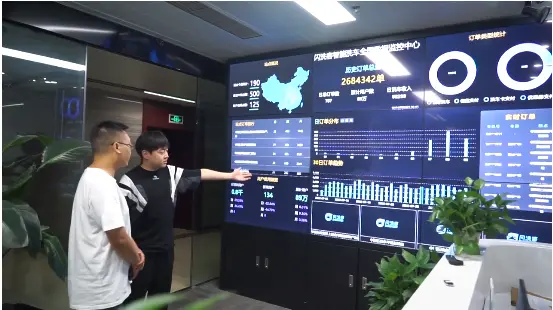
Previously, Chinese providers relied on remote assistance, but this has significantly improved. Many now offer worldwide spare parts shipping, online troubleshooting, and detailed installation instructions. Furthermore, a number of leading manufacturers are expanding their international service networks.
From a business standpoint, return on investment is frequently more essential than initial cost.
Chinese car wash equipment typically provide a faster ROI due to lesser initial cost. This makes them particularly appealing to startup enterprises or operators seeking rapid expansion.
Western equipment may offer long-term consistency and brand positioning benefits, but their higher initial cost results in a lengthier payback period.
Water use, electricity consumption, and maintenance expenses are more determined by machine design and usage than by origin. Both Chinese and Western systems may be optimised for efficiency.
Business objectives play a significant part in choosing between Western and Chinese car wash equipment.
Chinese machinery is perfect for investors looking to enter growing markets, expand quickly, or reduce costs. They provide a reasonable compromise between cost and performance.
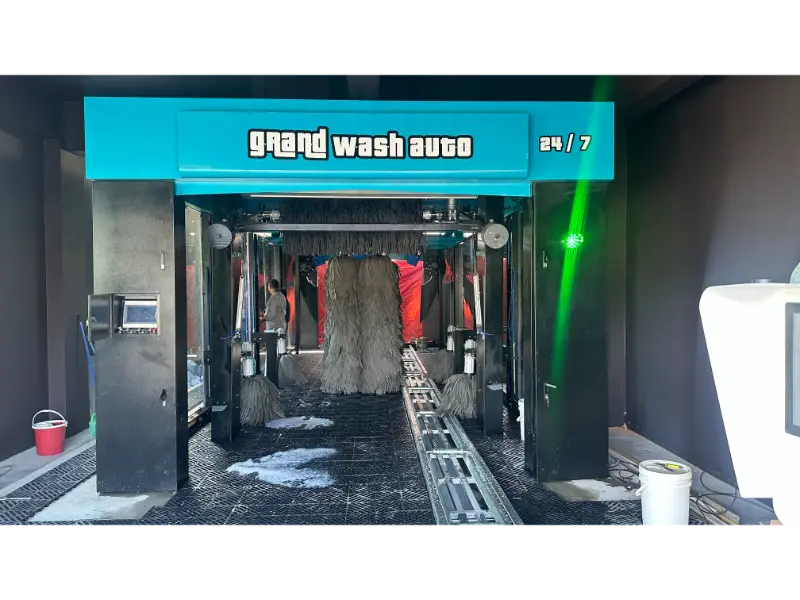
Western machines are better suited for high-end car wash companies that value long-term operational consistency, a superior customer experience, and a strong brand image.
In terms of global supply, China enjoys a substantial advantage. Manufacturers with extensive export experience can transfer equipment to almost any destination using reasonably effective logistics.
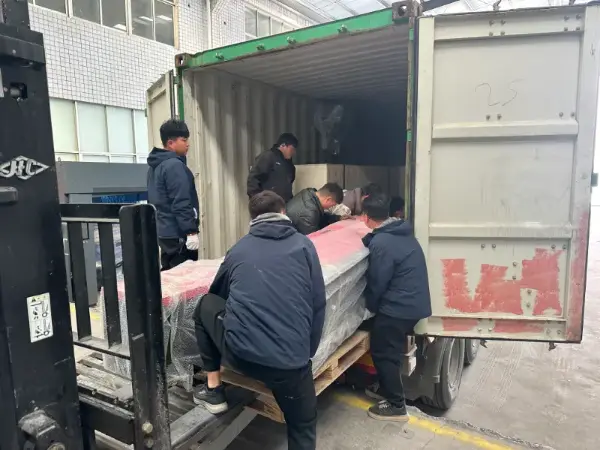
Western manufacturers often provide faster delivery and regional support because they have stronger distribution networks inside their respective regions.
While Western vendors provide convenience inside established markets, China frequently provides more freedom for overseas buyers.
Chinese equipment continues to be misunderstood, particularly in terms of reliability and quality.
Some customers feel that lower prices correlate to lower quality. In fact, a considerable number of Chinese manufacturers currently build machinery that meets Western standards. Choosing a reputable supplier with experience is critical.
Another common complaint is lack of after-sales service. Although this was originally a disadvantage, many companies now provide comprehensive remote support and prompt spare part delivery.

| Factor | China | Western |
| Price | Lower | Higher |
| Customization | High | Limited |
| Lead Time | Moderate (includes shipping) | Faster locally |
| Service | Remote + growing global support | Strong local networks |
When it comes to choosing between Chinese and Western car wash machines, there is no single best option. Your target market, long-term business plan, and budget will all affect your best option.
If cost effectiveness, flexibility, and a faster return on investment are important to you, Chinese manufacturers offer a very competitive option. Western machines may be a better option if you are targeting a high-end market and value well-established brand ecosystems.
For the bulk of today’s investors, the distinction between the two is less significant. With the right supplier, you may achieve performance and profitability regardless of where the machine is built.
Chinese machines are typically more affordable due to lower labor costs, large-scale manufacturing, and a highly competitive supplier market. In contrast, Western machines often include higher costs related to brand value, local production, and established service networks.
Yes, many Chinese car wash machines are reliable, especially when sourced from reputable manufacturers. Over the past decade, Chinese suppliers have significantly improved build quality, materials, and technology. The key is to choose a trusted supplier with proven international experience and strong after-sales support.
Yes, most modern Chinese suppliers offer comprehensive after-sales support, including remote troubleshooting, installation guidance, and global spare parts delivery. Some leading manufacturers are also expanding their overseas service networks.
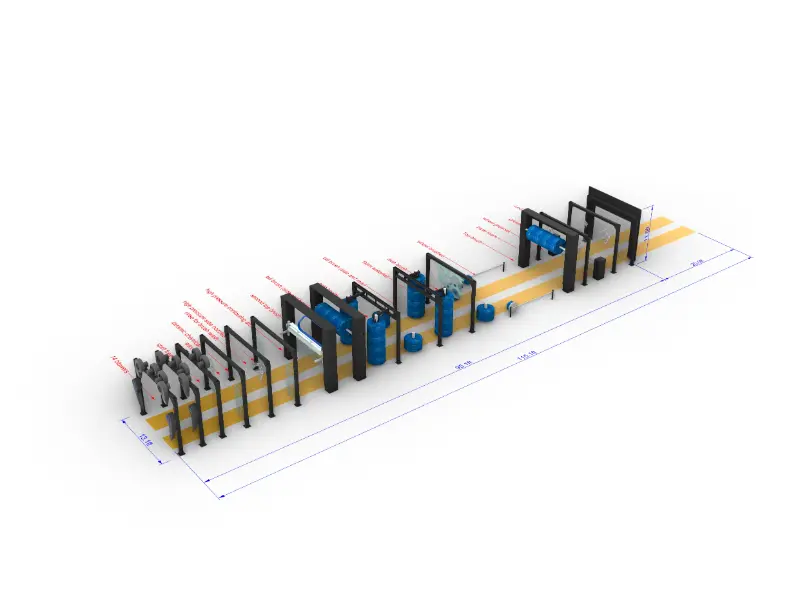
Contact Shinewash experts if you are interested in Chinese car wash machines.