The global automatic car wash industry is entering a new growth cycle in 2026. Rising labor costs, increasing environmental regulations, and stronger demand for convenience are accelerating automation across both developed and emerging markets. For investors researching car wash machine prices 2026, understanding equipment costs alone is not enough. Competitive markets require deeper analysis of total investment, operational efficiency, scalability, and future-proof technology.
This in-depth guide covers updated pricing benchmarks, hidden costs, ROI modeling, regional considerations, cost-control strategies, and 2026–2027 industry trends — specifically structured for competitive markets such as the United States, Middle East, Western Europe, and major Asian metropolitan areas.
Car wash machine prices in 2026 are influenced by automation grade, configuration complexity, production origin, and smart technology integration. Globally, automatic systems fall into three primary categories.
| Machine Type | Price Range (USD) | Key Features Included |
| Entry-Level Rollover Car Wash Machine | $18,000 – $35,000 | Basic 3–4 brush systems, PLC controls |
| Mid-Range Touchless Car Wash Machine | $45,000 – $75,000 | High-pressure sensors, optional water recycling |
| Commercial Tunnel Car Wash Machine | $80,000 – $200,000+ | Conveyor systems, 8–12 brushes, advanced drying technology |
These ranges represent base equipment costs and exclude installation, civil work, and advanced add-ons.
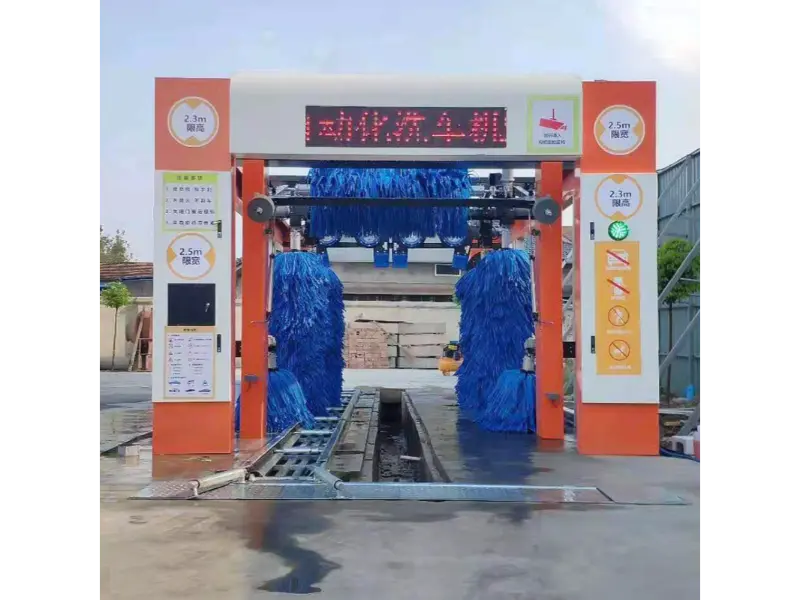
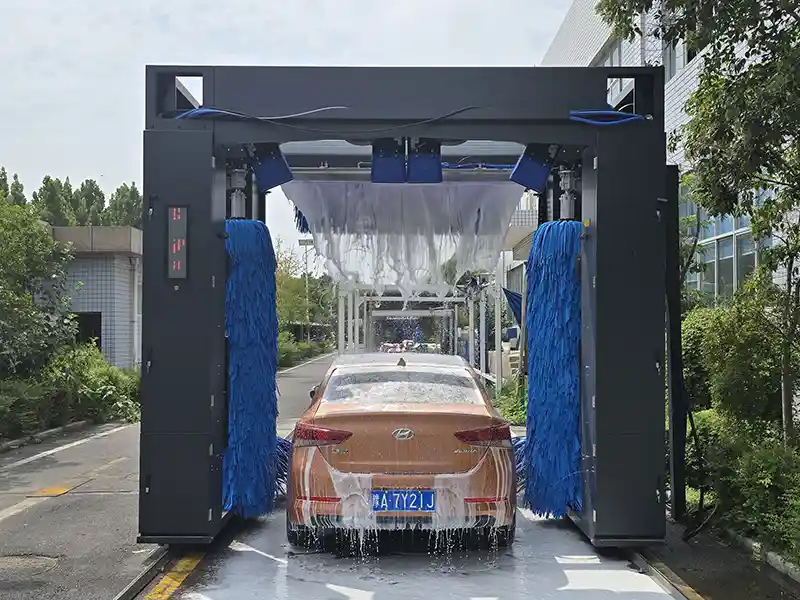
Rollover (in-bay automatic) car wash systems remain the most common entry point for new investors. Designed for 30–60 vehicles per day, these machines offer moderate throughput and lower capital exposure. In competitive markets, they are often installed at gas stations or small independent sites where land space is limited.
However, while initial cost is lower, rollover car wash systems may face limitations in high-density areas where vehicle volume exceeds capacity.
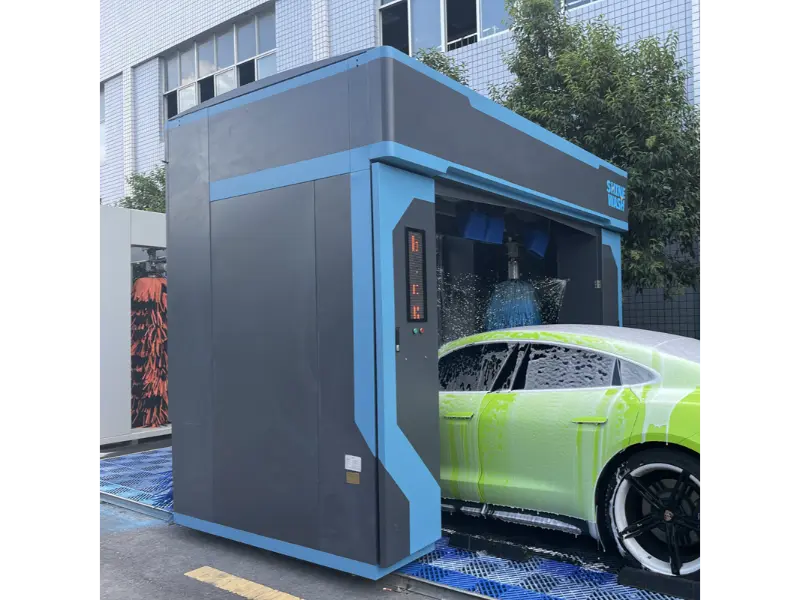
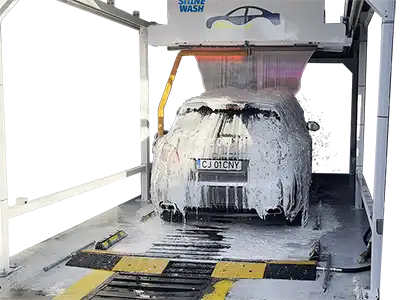
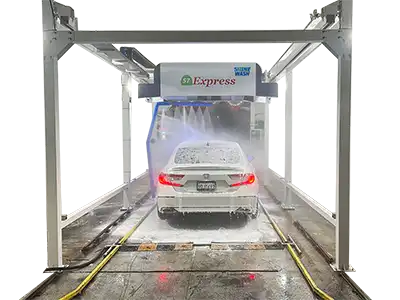
Touchless car wash machines are priced higher due to advanced pump technology and intelligent contour-following systems. In competitive urban markets, touchless solutions are frequently positioned as premium services focused on paint protection.
They typically support:
For markets with environmentally conscious consumers, touchless systems combined with water recycling can offer a strong competitive advantage.
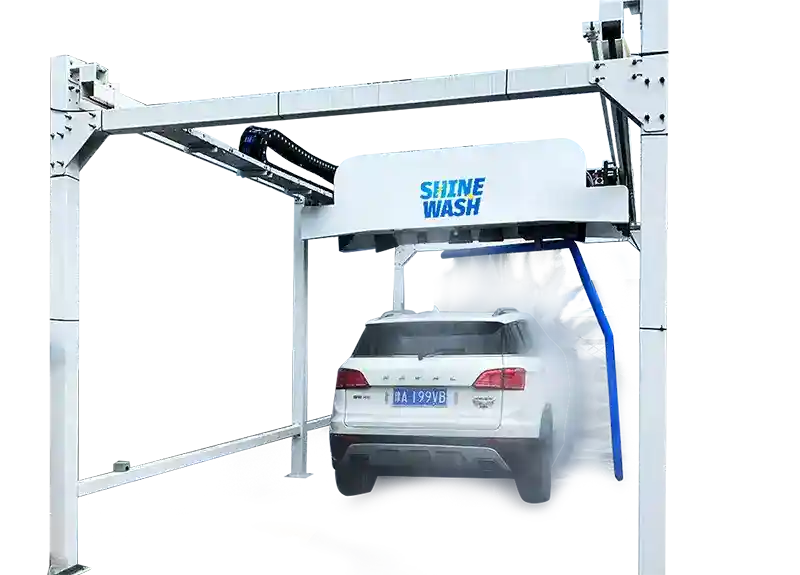
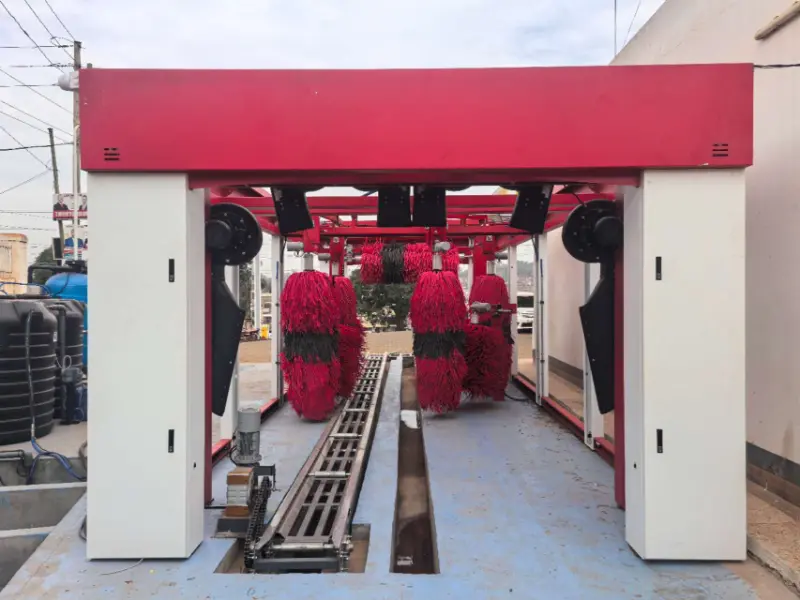
Tunnel car wash systems represent the highest investment tier but also the highest revenue potential. Capable of processing 80–150+ cars per hour, they are designed for heavy-traffic commercial zones.
In competitive markets, tunnel car wash systems often include ceramic coating modules, triple-foam arches, premium drying systems, and membership integration platforms to maximize recurring revenue.
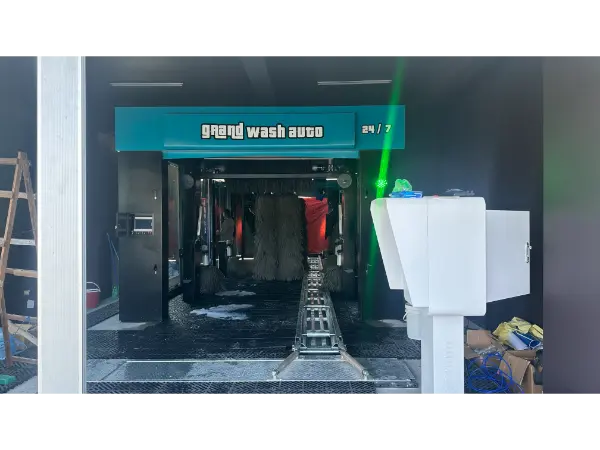
Understanding price drivers allows investors to evaluate value rather than simply comparing base numbers.
IoT-enabled systems with remote diagnostics typically increase machine cost by 15–20%. However, these features reduce downtime, enable predictive maintenance, and improve operational transparency. In competitive markets where downtime directly impacts reputation and revenue, automation investment is often justified.
Premium components such as imported PLC controllers, high-efficiency motors, and advanced drying turbines increase upfront price but improve long-term reliability. Lower-cost components may reduce initial expense but increase lifecycle maintenance costs.
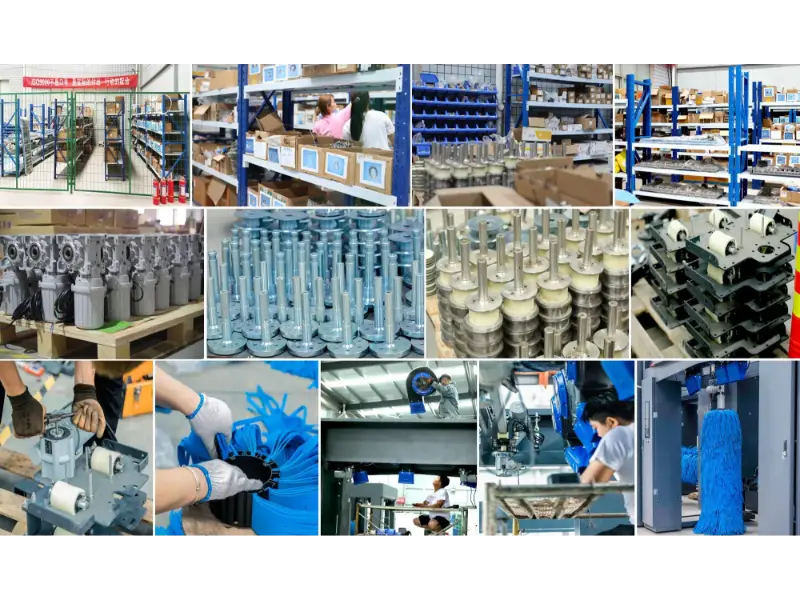
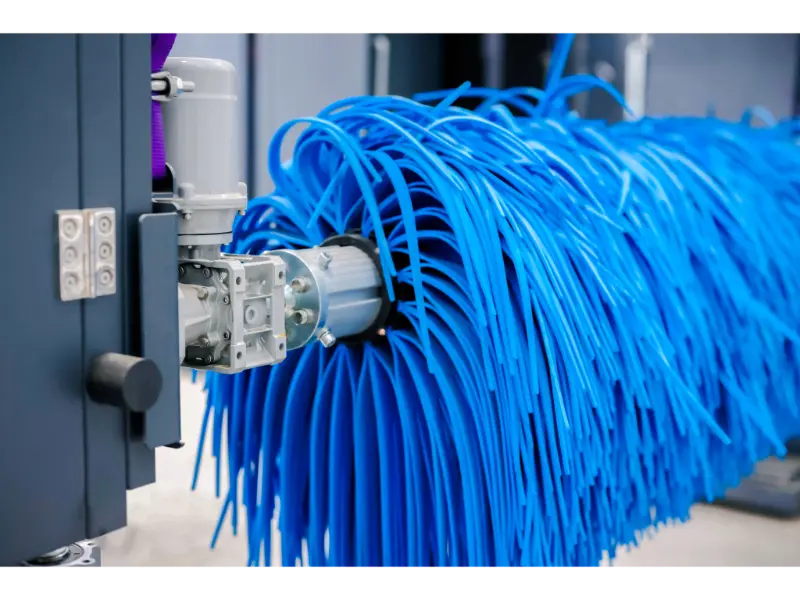
Additional brushes improve cleaning coverage and perceived quality. Hybrid brush + touchless modules allow tiered pricing packages, increasing average revenue per vehicle.
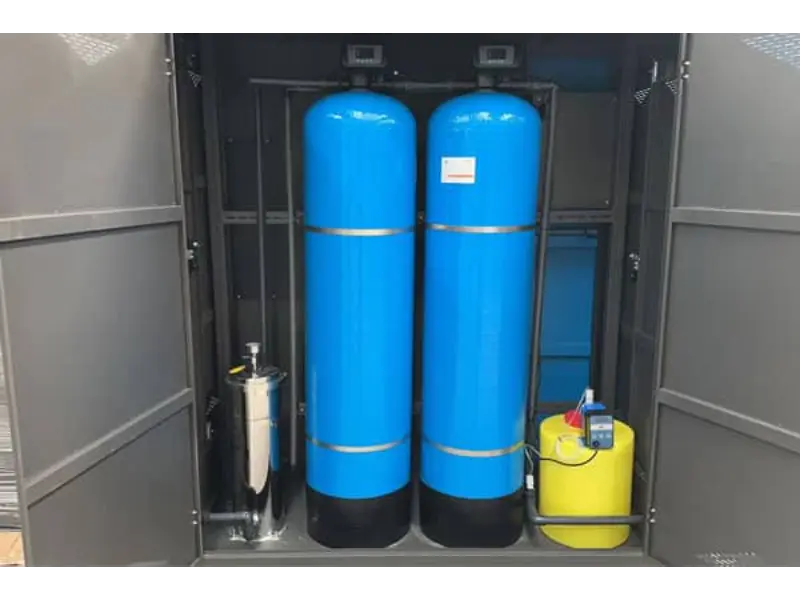
Water recycling modules may add $5,000–$15,000 to initial investment. However, they can reduce fresh water usage by up to 80%, which is especially important in regions with strict water regulations or high utility costs.
In competitive markets, hidden costs often determine actual capital requirements.
| Cost Factor | Estimated Added Cost |
| Installation & Integration | 10–15% of machine cost |
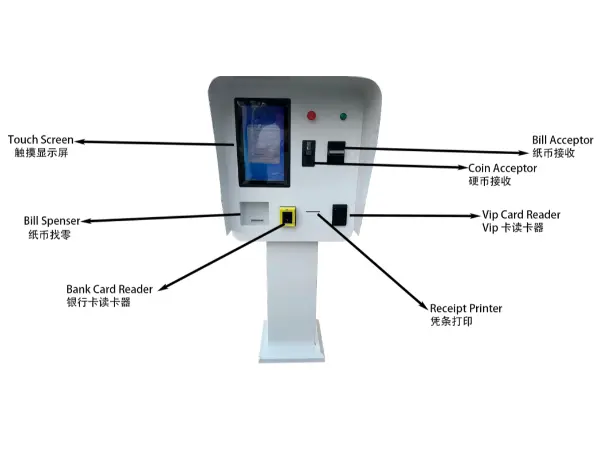
| Multi-Language Payment Kiosks | $3,500 – $7,000 |
| Annual Maintenance Contracts | $2,000 – $5,000 |
Installation includes foundation construction, electrical wiring, drainage systems, and calibration. In highly regulated markets, compliance inspections and certification costs may also apply.

Modern competitive markets require advanced payment systems supporting:
Membership programs significantly increase customer retention and stabilize monthly cash flow.
Annual maintenance contracts reduce unexpected downtime. In high-traffic environments, even one day of shutdown can result in significant revenue loss.
To evaluate car wash machine prices 2026 properly, investors must calculate projected ROI.
Machine cost: $60,000
Installation (12%): $7,200
Payment system: $5,000
Total initial investment: ≈ $72,200
Assume:
Projected payback period: 14–20 months (depending on seasonality and traffic stability)
Tunnel systems may require $150,000+ investment but can generate significantly higher daily revenue in prime locations.
Offering multiple packages (basic wash, premium wash, ceramic protection) increases average ticket size. Many successful operators increase revenue per vehicle by 25–40% using tiered models.
Monthly subscription plans stabilize revenue and improve customer loyalty. In competitive markets, subscription-based models are becoming standard practice.
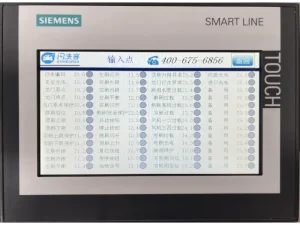
Electricity is a major operational cost. Systems equipped with variable frequency drives (VFDs) and energy-efficient motors reduce long-term expenses. Solar-ready infrastructure is increasingly attractive in high-energy-cost regions.
Car wash machine prices 2026 vary by region due to manufacturing location, import duties, and compliance requirements.
North America and Western Europe often have higher equipment prices due to certification standards and labor costs. However, they also support higher wash pricing, improving ROI potential.
Middle Eastern markets frequently demand high-capacity tunnel car wash systems due to climate conditions and vehicle density. Advanced drying performance is especially important in these regions.
Asian and Latin American markets may benefit from localized production, reducing base equipment prices by up to 15%. However, traffic volume and pricing power vary significantly by city.
Remote diagnostics reduce downtime by up to 60%. Cloud-based dashboards allow multi-site owners to monitor revenue and performance in real time.
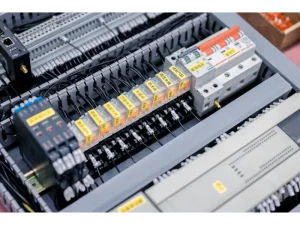
Electric vehicle adoption continues to rise. EV-compatible wash bays include adjusted pressure calibration and underbody safety protection. Although this upgrade adds $8,000–$12,000 to investment, it future-proofs the facility.
Steel and electronic component costs remain sensitive to global supply chain shifts. Analysts anticipate equipment price increases of 5–8% in 2027, making early 2026 purchasing advantageous.
Investors should evaluate:
Rollover car wash systems suit limited-space environments. Touchless car wash systems appeal to premium positioning strategies. Tunnel car wash systems maximize revenue in high-traffic commercial corridors.
Scalability is critical. Modular designs allow future upgrades without replacing the entire system.

In competitive markets, automatic car wash systems remain one of the most scalable and automation-driven service businesses available. With margins ranging from 50–70%, stable consumer demand, and increasing labor automation, the sector continues to offer attractive returns.
However, success depends on more than purchasing equipment at the lowest price. Investors must analyze total lifecycle cost, incorporate hidden expenses, adopt membership strategies, and invest in smart technology.
For operators who prioritize efficiency, scalability, and long-term positioning, car wash machine prices in 2026 represent a strategic entry point before anticipated 2027 price increases.
Car wash machine prices in 2026 typically range from $18,000 to over $200,000, depending on the system type and configuration. Entry-level rollover systems cost around $18,000–$35,000, mid-range touchless systems range from $45,000–$75,000, and commercial tunnel systems start at approximately $80,000 and can exceed $200,000 for high-capacity models.
Several factors affect pricing, including automation level, component quality, brush configuration, water recycling integration, and smart monitoring systems. Machines with IoT connectivity and remote diagnostics typically cost 15–20% more but reduce downtime and long-term maintenance costs.
Industry forecasts suggest prices may rise 5–8% in 2027 due to raw material inflation and supply chain pressures. Investors planning to enter competitive markets may benefit from securing pricing in 2026 before further cost increases.
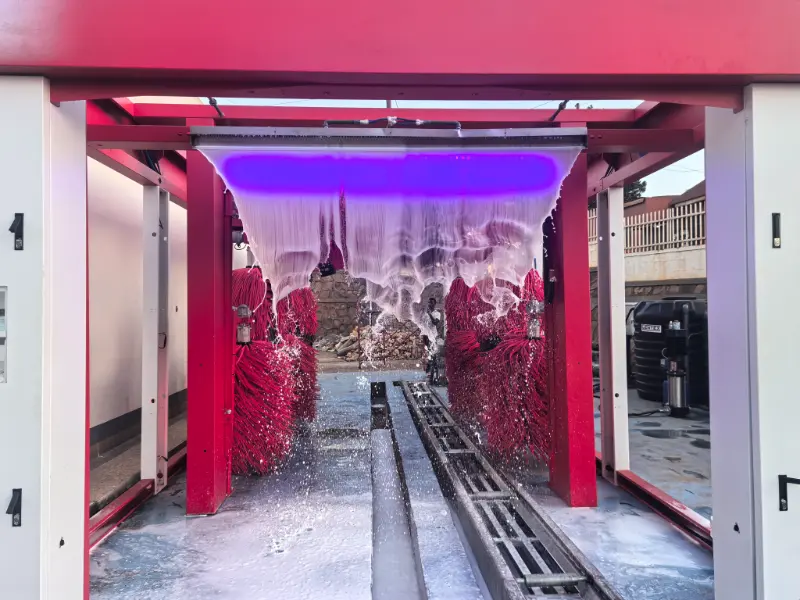
Explore car wash machine prices 2026, ROI insights, and hidden costs. Compare systems and start planning your investment today. Contact Shinewash experts now!