The global car wash industry is undergoing a rapid transformation. Rising labor costs, stricter environmental regulations, and increasing customer expectations have accelerated the shift from manual washing to fully automated solutions. At the center of this transition is the automatic car wash system—a comprehensive, technology-driven approach to vehicle cleaning designed for efficiency, consistency, and scalability.
For car wash operators, fuel station owners, fleet managers, and investors, understanding how an automatic car wash system works and how to choose the right solution is critical to long-term profitability. This guide explains everything you need to know, from system types and costs to ROI and future trends.
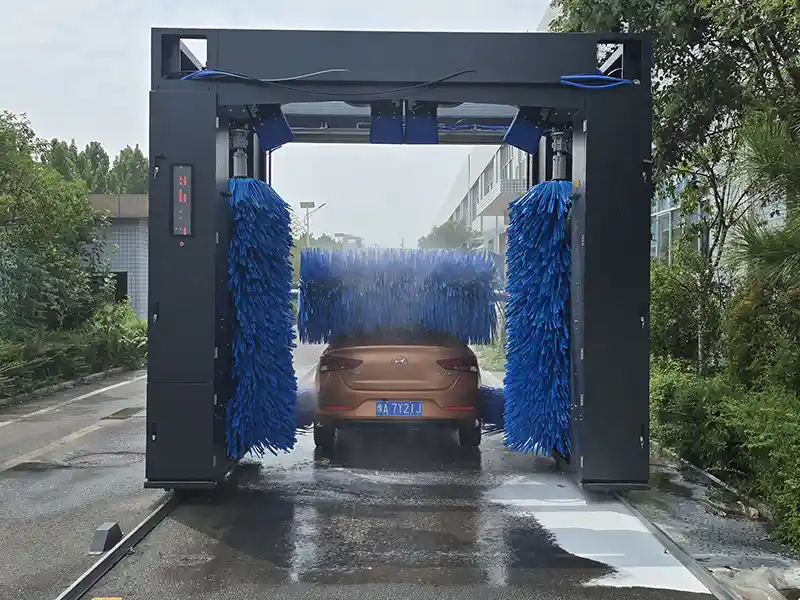
An automatic car wash system is a fully integrated solution that cleans vehicles with minimal or no manual labor. Unlike a single washing machine, a system combines multiple components—hardware, software, water management, and safety controls—into one coordinated operation.
The key distinction lies in integration. An automatic car wash system manages the entire washing process, including vehicle detection, washing sequence control, chemical application, drying, and exit coordination. This system-based approach allows operators to standardize wash quality, reduce human error, and scale operations across multiple locations.
In commercial environments, the term “system” is more accurate than “machine” because long-term performance depends on how well each component works together rather than on any individual piece of equipment.
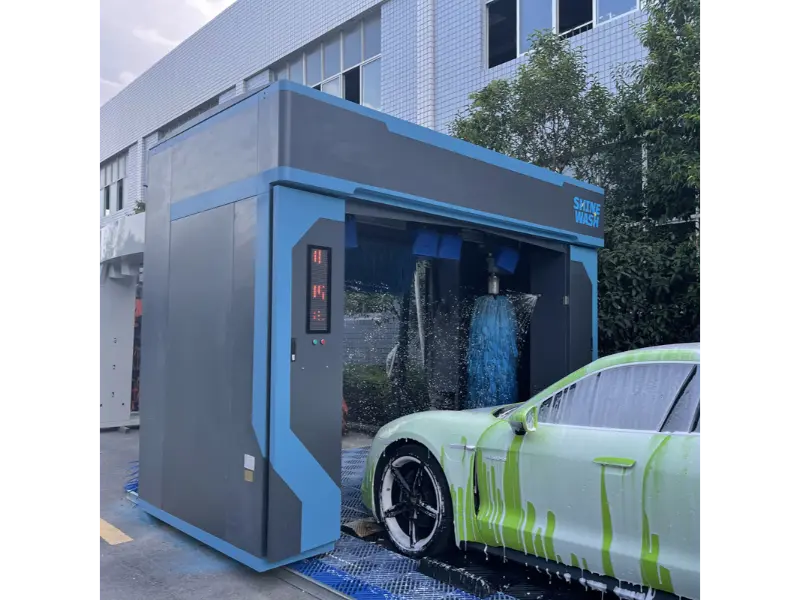
Although designs vary by system type, most automatic car wash systems follow a similar operational workflow.
Once a vehicle enters the wash bay or tunnel, sensors and positioning devices detect the vehicle’s size and alignment. The control system then selects or confirms the wash program, adjusting water pressure, chemical dosage, and movement paths accordingly. Washing stages are executed in a predefined sequence, ensuring consistent coverage across all vehicle surfaces.
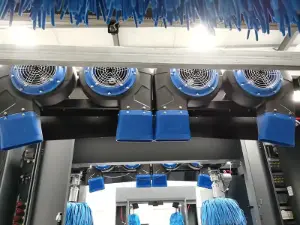
After the washing phase, the system transitions to the drying stage, where high-powered blowers remove residual water. When the cycle is complete, the system signals the driver to exit, preparing the site for the next vehicle.
What makes this process efficient is not speed alone, but automation and coordination. Every step is controlled centrally, reducing downtime, minimizing waste, and ensuring repeatable results.
Different business models require different system configurations. The most common types of automatic car wash systems include the following.
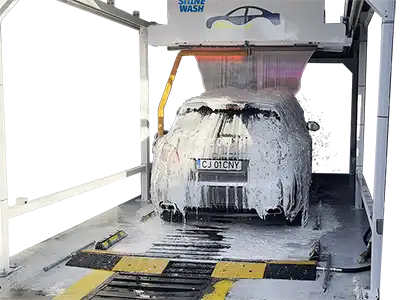
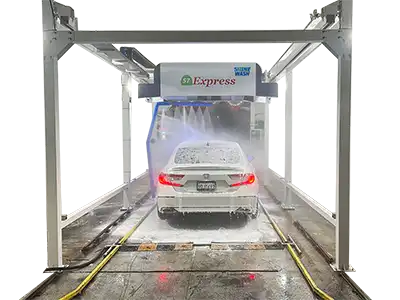
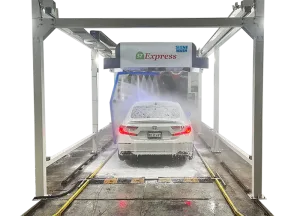
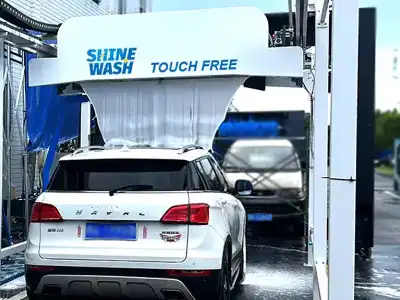
A touchless automatic car wash system cleans vehicles using high-pressure water and specialized chemicals without physical contact. This approach minimizes the risk of surface damage and is particularly attractive to owners of new vehicles or premium cars.
Touchless systems typically have lower mechanical wear and simpler maintenance requirements. They are well-suited for markets where vehicle protection is a top priority and where operators want to reduce brush-related maintenance.
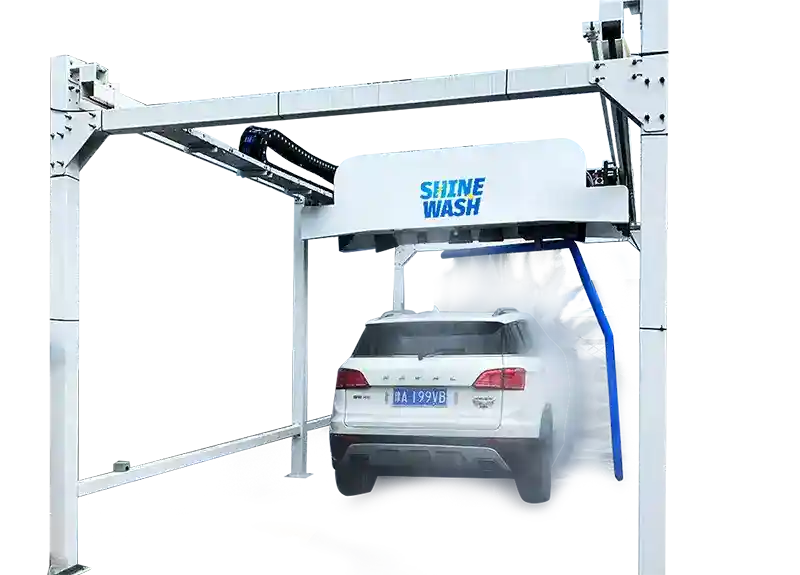
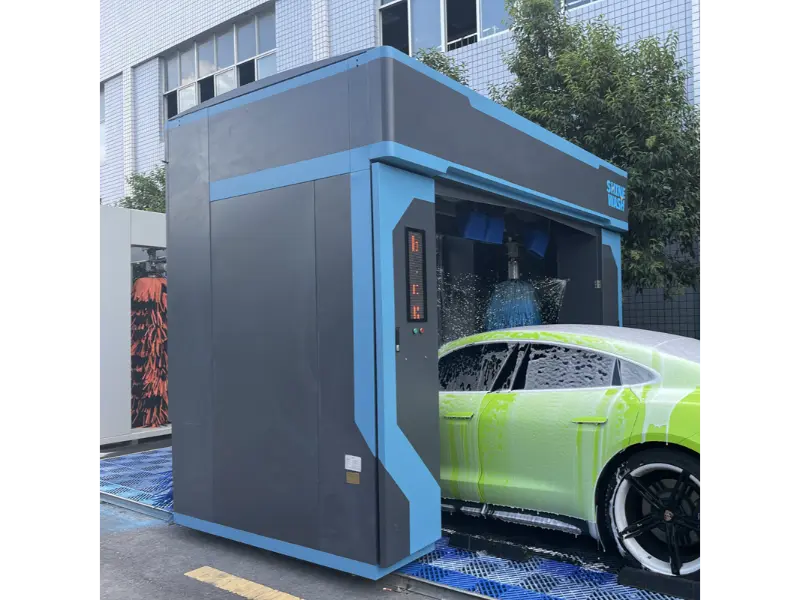
Rollover systems, also known as in-bay systems, clean stationary vehicles while the washing unit moves around the car. These systems are popular at fuel stations and locations with limited space.
The main advantage of a rollover automatic car wash system is its compact footprint and controlled investment cost. It allows operators to offer automated washing without building a full tunnel facility.
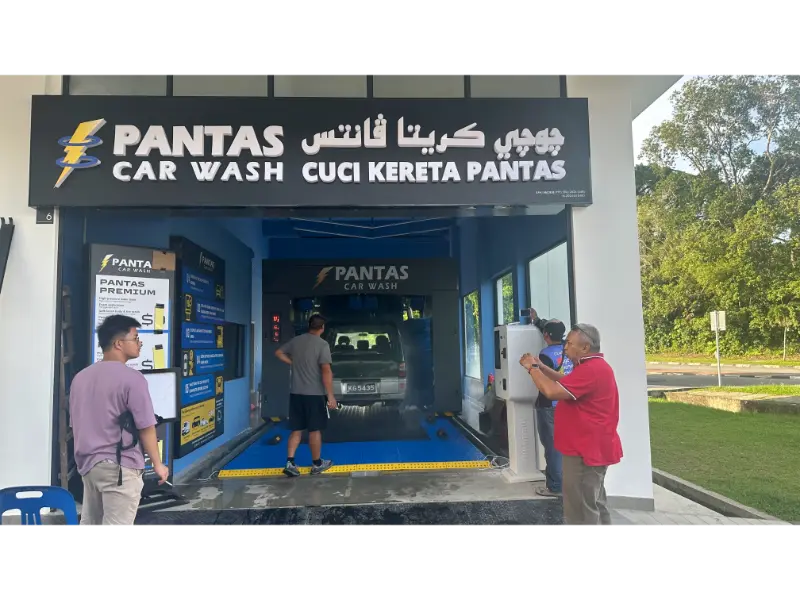
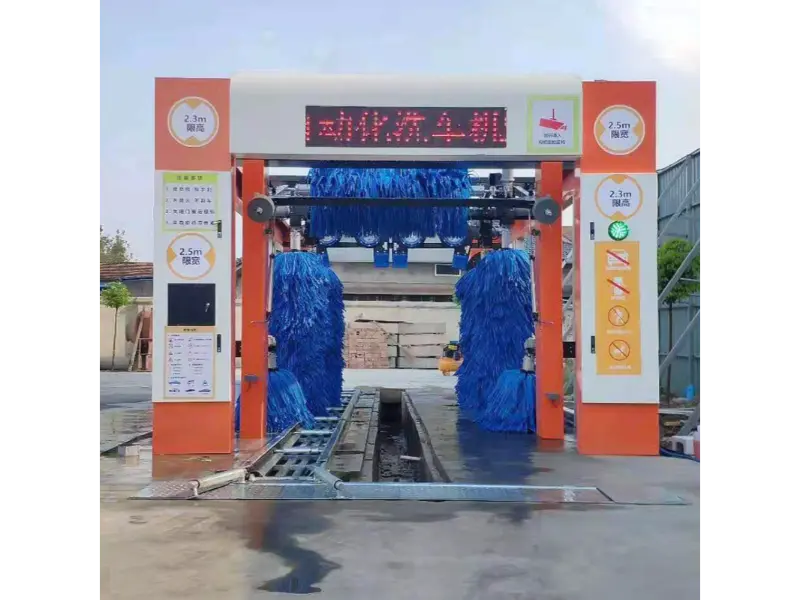
Tunnel systems move vehicles through a fixed washing line using a conveyor. They are designed for high-volume operations and are commonly used by large car wash chains.
A tunnel automatic car wash system delivers the highest throughput and is ideal for sites with strong traffic flow. While the initial investment is higher, the cost per wash decreases significantly as volume increases.
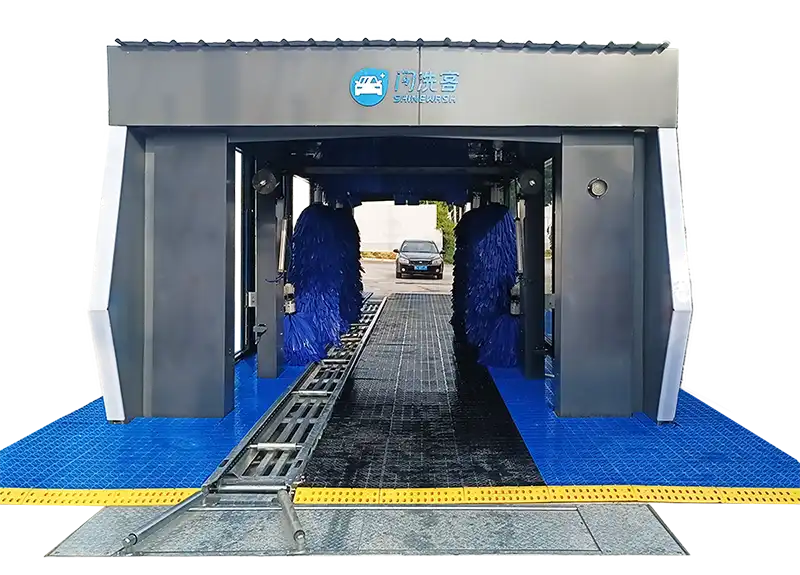
An automatic car wash machine functions as a coordinated whole. Core components typically include:
The reliability of the system depends not only on component quality, but also on how effectively these elements are integrated. Poor system design often leads to downtime, inconsistent wash quality, and higher operating costs.
Compared with manual or semi-automatic washing, an automatic car wash machine offers several structural advantages.
Manual washing relies heavily on labor, which introduces variability in quality and increases operating costs over time. It is also slower and more difficult to standardize across multiple locations. In contrast, an automatic car wash system delivers consistent results regardless of operator experience.
From a compliance perspective, automated systems are better equipped to meet environmental regulations. Water usage, chemical discharge, and energy consumption can be monitored and optimized more effectively than in manual operations.
For businesses focused on growth and efficiency, traditional washing methods struggle to compete with automated systems in the long term.
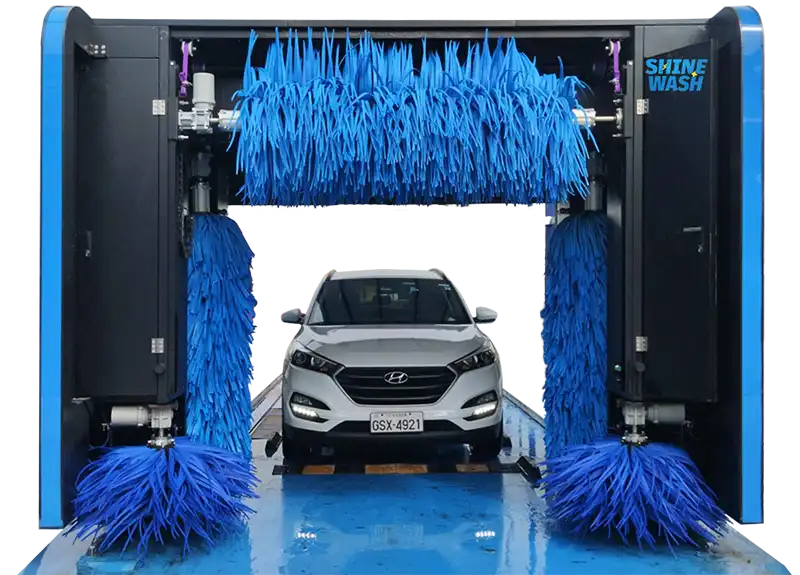
The cost of an automatic car wash machine varies depending on system type, configuration, and market conditions. Instead of focusing only on purchase price, operators should evaluate total cost of ownership.
Initial costs typically include equipment, transportation, installation, and site preparation. Ongoing expenses involve water, electricity, chemicals, routine maintenance, and occasional part replacement.
While tunnel systems require the highest upfront investment, they often achieve the lowest cost per wash at scale. Touchless and rollover systems generally have lower entry costs, making them attractive for smaller sites or first-time operators.
A well-designed automatic car wash system can significantly reduce labor expenses, which often represents the largest long-term cost savings.
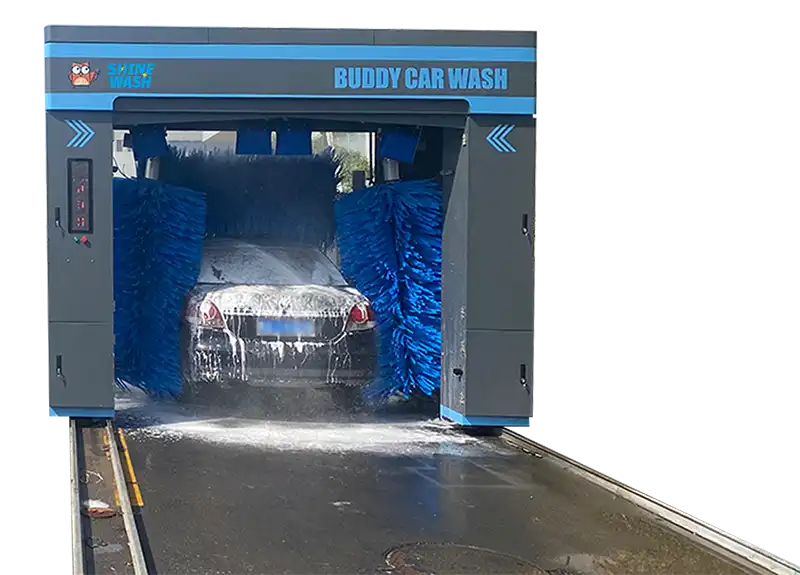
Return on investment depends on several key factors, including wash volume, pricing strategy, operating efficiency, and local market demand.
In many markets, an automatic car wash system can reach break-even within a relatively short payback period when traffic flow is stable. Higher throughput, consistent service quality, and reduced downtime all contribute to improved profitability.
Systems that are easy to maintain and supported by reliable after-sales service tend to generate stronger long-term returns. Operational stability is often more important than achieving the lowest initial purchase price.
| System Type | Daily Vehicles | Revenue/Day | Monthly Profit | Payback Period |
| Touchless | 60–100 | $600–$1,500 | $10k–$12k | 12–18 months |
| Rollover / In-Bay | 30–80 | $240–$960 | $5k–$7k | 18–24 months |
| Tunnel | 150+ | $1,500–$2,250 | $25k–$30k | 8–12 months |
Installing an automatic car wash machine delivers both operational and strategic benefits.
Automation significantly reduces reliance on manual labor, helping operators manage workforce challenges and rising wages. Wash quality becomes standardized, improving customer satisfaction and brand reputation.
Automatic systems also enable faster service times, allowing more vehicles to be washed during peak hours. This improved throughput directly increases revenue potential without requiring additional staff.
From a business perspective, automated systems are easier to replicate across multiple locations, supporting expansion and franchising strategies.
Selecting the right automatic car wash machine requires careful evaluation of business conditions.
Site size and layout determine which system types are feasible. Traffic volume influences whether a rollover or tunnel system is more appropriate. Target customers—such as private car owners, fleet operators, or premium vehicle drivers—also affect system choice.
Equally important is supplier capability. A reliable manufacturer should offer system customization, installation guidance, operator training, and long-term technical support. Strong after-sales service often has a greater impact on profitability than minor differences in equipment specifications.
The automatic car wash industry continues to evolve. Smart control systems and remote monitoring are becoming standard, allowing operators to track performance and diagnose issues in real time.
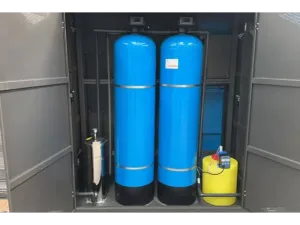
Water recycling technology is gaining importance as environmental regulations tighten. Modern automatic car wash systems are increasingly designed to minimize water and energy consumption without sacrificing wash quality.
Another major trend is unmanned operation. Cashless payment, license plate recognition, and membership integration are enabling fully automated car wash sites with minimal staff involvement.
These developments are pushing automatic car wash systems toward higher efficiency, lower operating costs, and greater scalability.
What is the difference between an automatic car wash system and an automatic car wash machine?
A system refers to the complete, integrated solution, including control software, water management, safety devices, and operational logic, while a machine usually describes a single piece of equipment.
Is an automatic car wash system safe for modern vehicles?
Yes. Modern systems are designed to adapt to vehicle size and shape, and touchless options further reduce the risk of surface damage.
How much space is required for an automatic car wash system?
Space requirements depend on system type. Rollover systems need less space, while tunnel systems require longer sites to support continuous vehicle movement.
How long does a wash cycle take?
Most automatic car wash systems complete a wash cycle within a few minutes, depending on program selection and system configuration.
What maintenance does an automatic car wash system require?
Routine maintenance includes checking mechanical components, cleaning filters, monitoring chemical levels, and performing regular inspections to ensure stable operation.
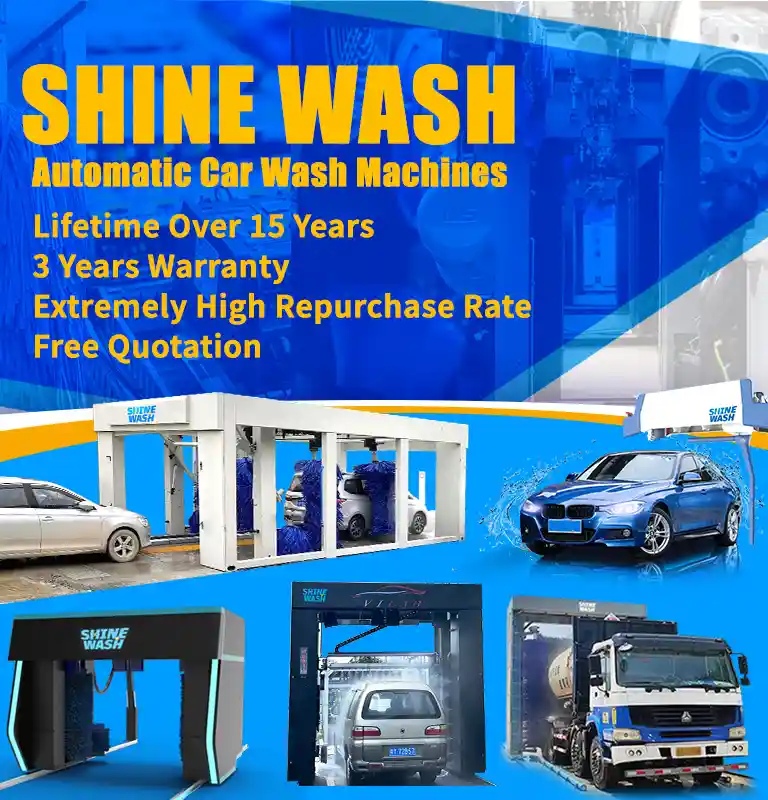
Contact Shinewash experts if you are interested in automatic car wash systems.