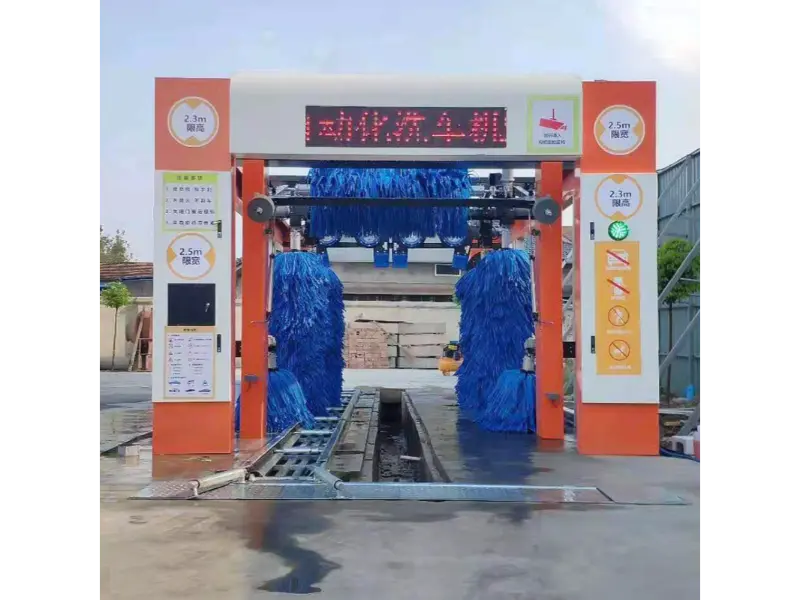
The automatic car wash industry in the United States is thriving. Driven by increasing vehicle ownership, urban convenience, and the growing need for eco-friendly business models, automated car wash systems have become essential for car wash operators.
With labor costs rising and consumers expecting faster, touch-free service, investing in the right car wash machine matters more than ever.
Shinewash, a leading Chinese manufacturer of automatic car wash systems, offers high-performance, cost-effective solutions tailored for the U.S. market. Their systems deliver up to 40% lower upfront costs than many European brands—without compromising on quality or features.
In this 2026 guide, we break down Shinewash’s three flagship systems (Touchless, Rollover, and Tunnel), compare pricing, and help you forecast ROI for your location and business type.
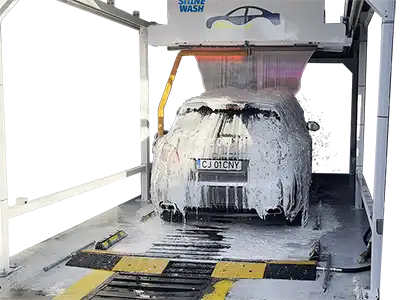
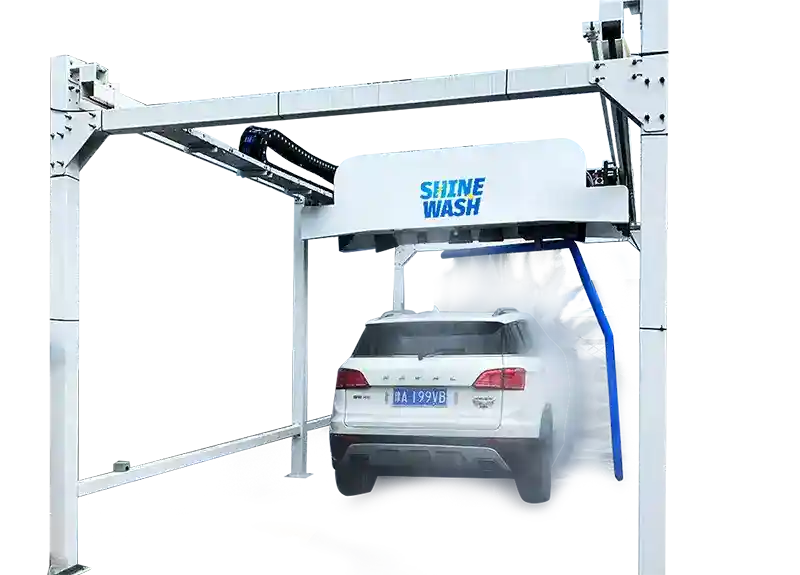
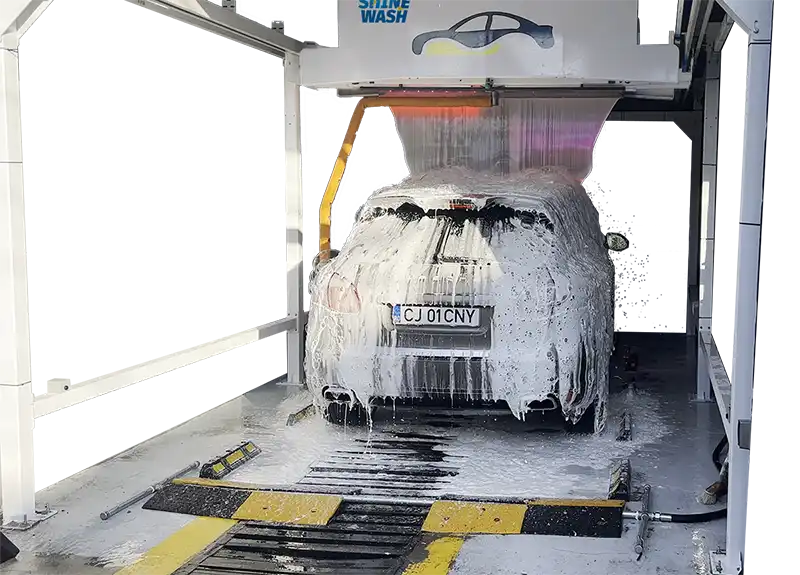
Advanced features like AI diagnostics, water recycling systems, and remote monitoring raise the initial cost but can significantly reduce long-term expenses. For example, Shinewash’s touchless car wash systems ($15K–$20K) offer 99% scratch-free results and cut labor needs by 40%, ideal for luxury vehicles and EVs.
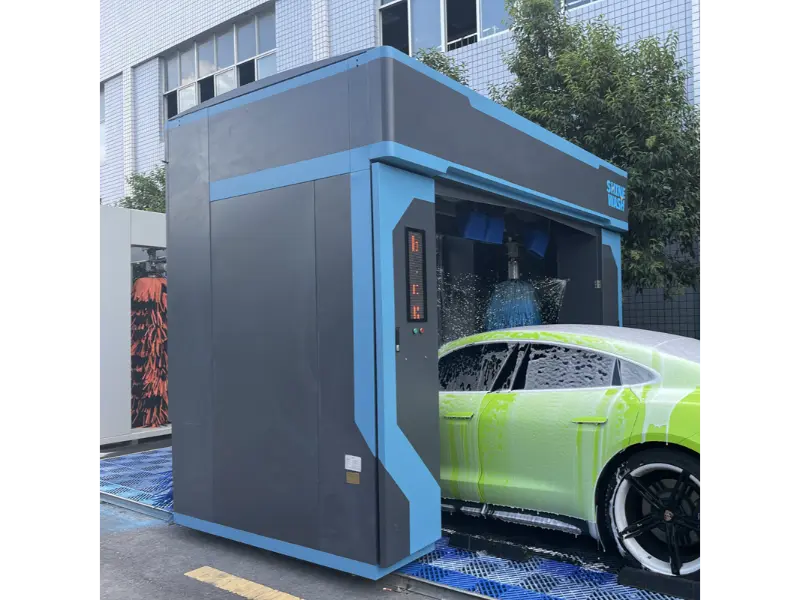
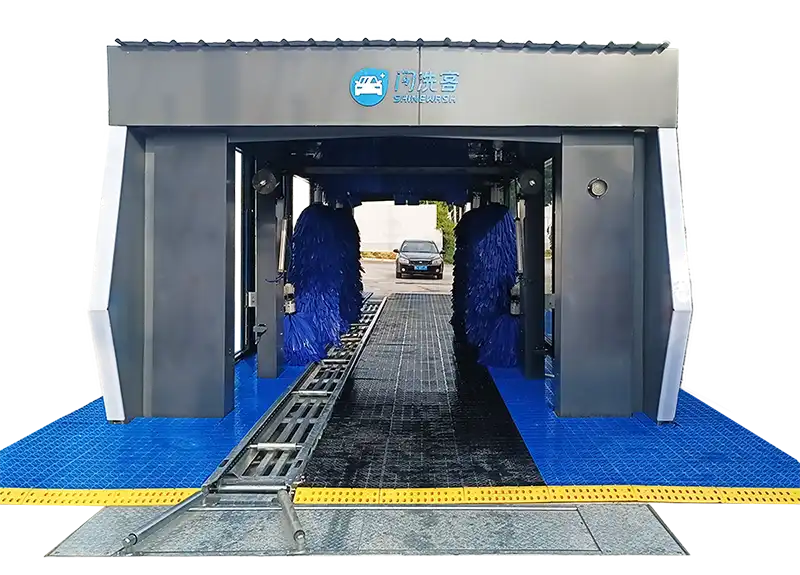
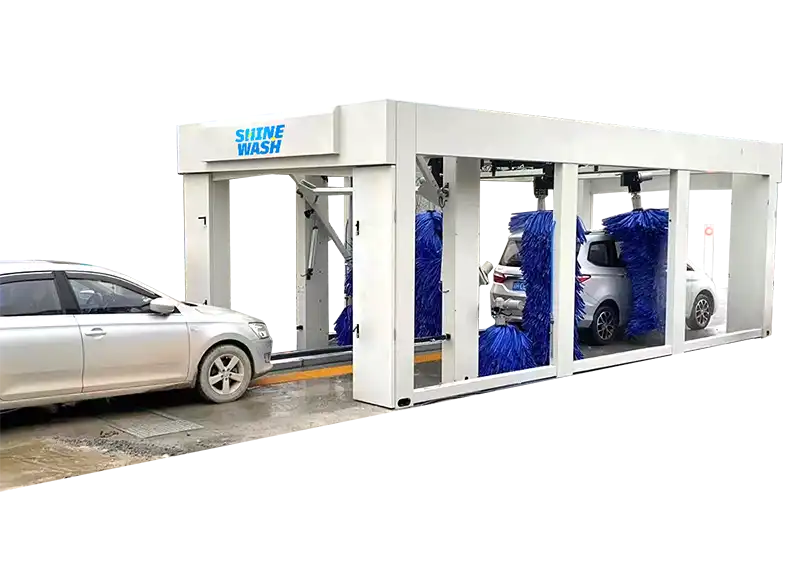
The larger the system, the higher the cost. Tunnel car wash systems, designed for express locations and truck stops, range from $25K to $35K and can process 30–80 cars per hour—maximizing revenue in high-traffic zones.
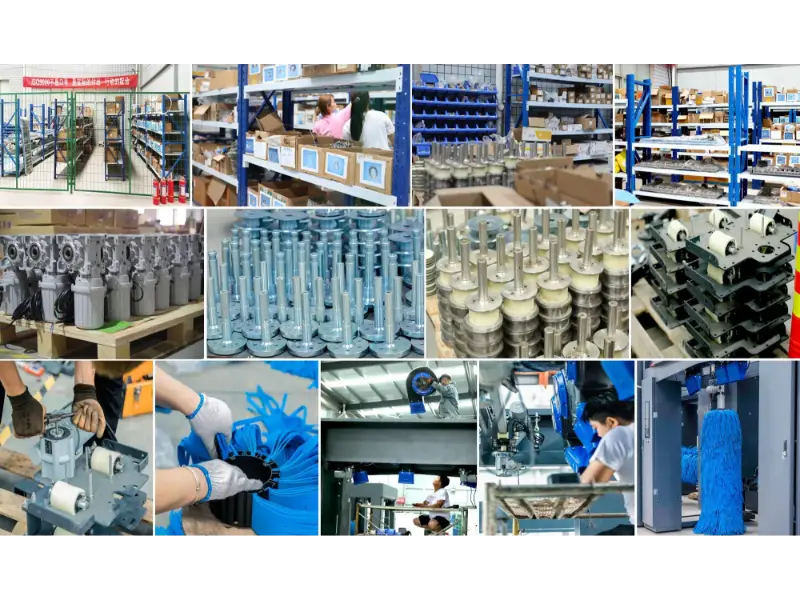
Expect annual maintenance costs of $4,000–$15,000, depending on system complexity. Shinewash supports U.S. clients with fast delivery of spare parts (48 hours), reducing downtime and avoiding costly delays.
Key Features:
Use Case:
A Shinewash K6 contactless car wash system installed in Brooklyn, NY serves 75+ vehicles per day, generating over $18,000/month in wash revenue. The operator reports minimal maintenance and consistent performance—even during freezing winters.
Key Features:
Use Case:
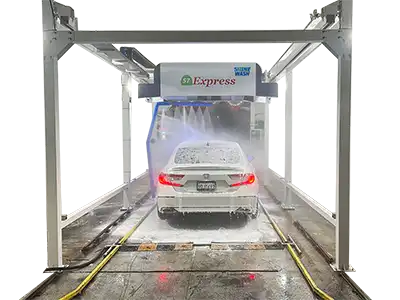
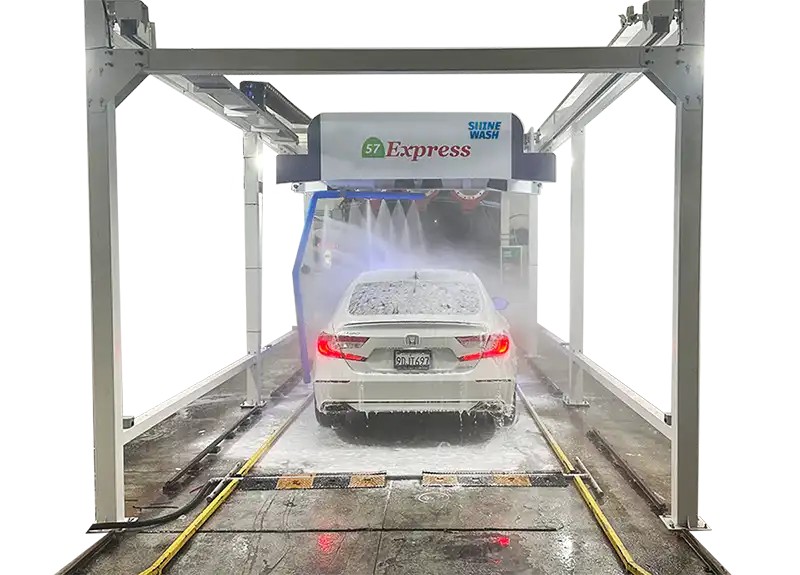
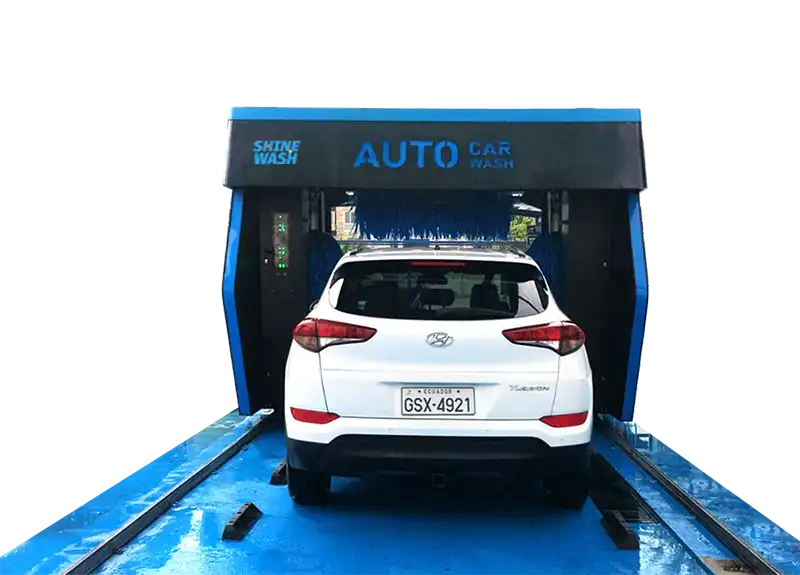
A Texas gas station added an S3 rollover car wash system and reduced manual wash labor by 70%, saving on staffing and water bills. The average daily volume increased from 15 to 40 cars, boosting monthly profits by $8,000+.
Key Features:
Use Case:
A truck stop near Chicago’s O’Hare Airport installed a Q11 system. With over 1,500 vehicles/day, it provides rapid throughput and durable performance. A solar array cut electricity costs by 60%, and Shinewash’s IoT monitoring flagged early maintenance needs—minimizing service disruptions.
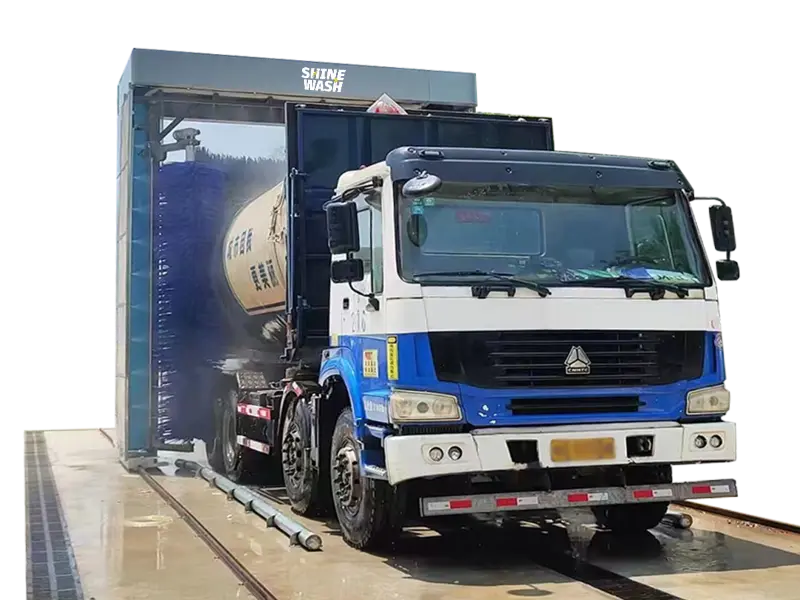
The price of the car wash machine itself is only one part of the total investment. Installation costs should also be included when planning an automatic car wash project in the United States.
Depending on the machine type, site conditions, and project complexity, installation expenses can vary significantly. A basic in-bay automatic or touchless car wash system generally requires less site preparation than a large tunnel car wash system with conveyors, multiple wash stations, dryers, and water treatment equipment.
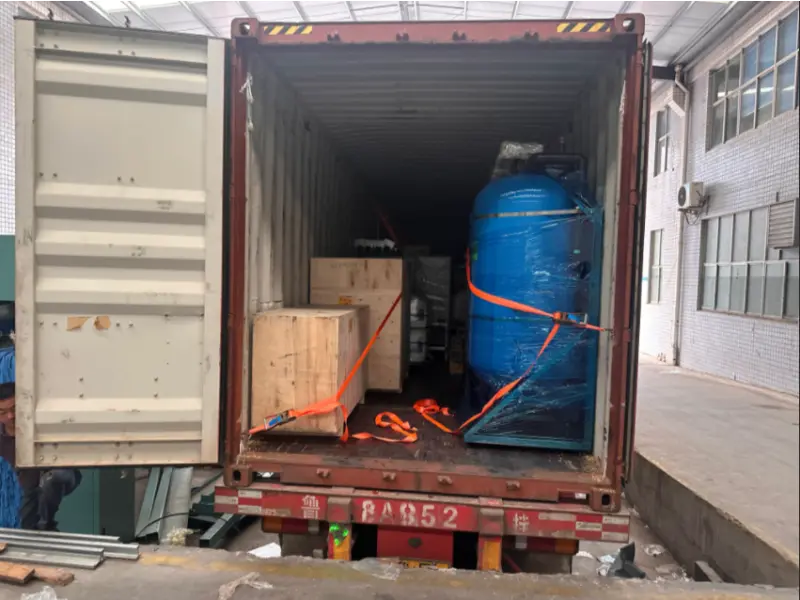
Typical installation costs may include:
| Car Wash System | Typical Installation Complexity | Estimated Installation Cost* |
| Touchless Car Wash Machine | Low to Medium | $5,000–$15,000 |
| Rollover Car Wash Machine | Medium | $10,000–$30,000 |
| Tunnel Car Wash System | High | $30,000–$150,000+ |
Actual installation costs depend on site conditions, local labor rates, utility requirements, civil construction, and equipment configuration.
For new car wash projects, additional site preparation may be required before the equipment can be installed. This can include concrete foundations, drainage systems, electrical upgrades, plumbing, equipment rooms, and water recycling infrastructure.
For this reason, investors should evaluate the total project cost rather than focusing only on the purchase price of the car wash machine.
When purchasing an automatic car wash machine in the United States, investors generally have two options: buying from a local supplier or importing equipment directly from an overseas manufacturer.
Local suppliers may offer faster on-site service and easier access to domestic support. However, locally sourced equipment can also involve higher upfront costs due to dealer networks, distribution expenses, and domestic operating costs.
Imported car wash machines, particularly those purchased directly from manufacturers, can provide more flexible configurations and competitive equipment pricing. However, buyers need to consider international shipping, import procedures, installation planning, and long-term technical support.
| Factor | Local U.S. Supplier | Direct Overseas Manufacturer |
| Initial Equipment Cost | Usually Higher | Often More Competitive |
| Product Customization | Limited to Available Models | More Flexible |
| Delivery Time | Usually Faster for Stock Models | Depends on Production and Shipping |
| Installation Support | Local Service May Be Available | Remote or Project-Based Support |
| Spare Parts | Local Inventory May Be Available | Requires Parts Planning and Logistics |
| Technology Options | Depends on Brand Portfolio | Wider Customization Options |
| Direct Factory Communication | Limited | Direct Communication with Manufacturer |
The best option depends on the project size, investment budget, and the level of customization required.
For investors building a standard car wash with minimal customization, a local supplier may provide a simpler purchasing process. For larger projects or investors looking for customized configurations and direct factory pricing, importing equipment from an experienced manufacturer may offer greater flexibility and long-term cost advantages.
The key is not simply comparing the machine price. Investors should compare the total project value, including equipment configuration, shipping, installation, spare parts availability, technical support, energy consumption, water usage, and expected operating life.
A lower initial price does not always mean a lower total cost of ownership. The most cost-effective solution is the one that delivers reliable performance, manageable operating costs, and strong long-term ROI.
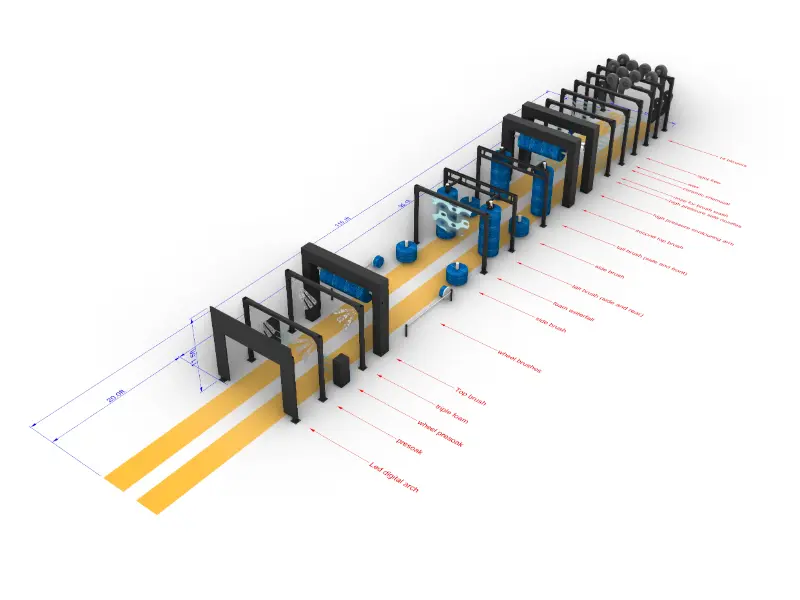
For U.S. buyers importing automatic car wash equipment from overseas, shipping is another important part of the total investment budget.
Shipping costs depend on several factors, including the machine size, number of containers required, shipping method, destination port, inland transportation distance, and current freight rates.
Smaller touchless or rollover car wash machines can often be shipped in one or two containers, while large tunnel car wash systems may require multiple containers depending on the tunnel length and equipment configuration.
The total shipping cost may include:
For a standard automatic car wash project, international freight and logistics costs can vary widely. As a general reference, smaller equipment shipments may cost several thousand dollars, while large tunnel car wash projects requiring multiple containers can involve significantly higher transportation costs.
To avoid unexpected expenses, buyers should request a complete logistics quotation based on their project location and equipment configuration.
When comparing suppliers, it is important to ask whether the quoted machine price is based on EXW, FOB, CIF, or another Incoterm. A lower equipment price does not always mean a lower total project cost if shipping, insurance, inland transportation, or destination charges are not included.
For U.S. investors, the best approach is to compare the total landed cost of the equipment rather than the factory price alone.
| Equipment Type | Typical Shipping Requirement |
| Compact Touchless System | Usually 1 container |
| Rollover Car Wash System | 1–2 containers |
| Medium Tunnel System | Multiple containers |
| Large Tunnel Project | Customized container plan |
Automatic car wash machine prices vary by region due to land costs, demand, and climate-related system requirements. On the East Coast—especially in cities like New York or Boston—demand for high-end, contactless car wash systems push prices 15% higher, often landing between $90,000 and $140,000.
In contrast, the Midwest (e.g., Chicago or Dallas) offers more affordable land and labor, allowing tunnel car wash systems to start around $170,000.
Meanwhile, the West Coast benefits from sustainability incentives; in California and Arizona, solar-compatible tunnel systems can qualify for rebates, bringing down costs by $15,000 to $25,000.
In the South, particularly Florida and Texas, high foot traffic and a preference for luxury car care drive demand for Shinewash’s premium touchless car wash systems.
| System Type | Initial Investment | Avg. Daily Washes | Avg. Wash Price | Monthly Revenue | ROI Timeline |
| Touchless (K6) | 90000 | 75 | $8–$12 | $18,000–$22,000 | 10–14 months |
| Rollover (S3) | 65000 | 40 | $6–$8 | ~$10,000 | 12–18 months |
| Tunnel (Q11) | 300000 | 400–600 | $8–$10 | $60,000+ | 6–10 months |
Eco-conscious customers increasingly prefer businesses with sustainable practices. Shinewash’s systems support:
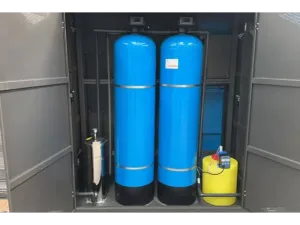
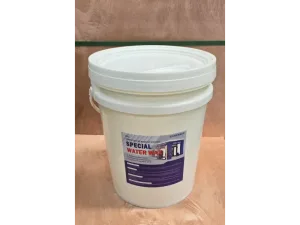
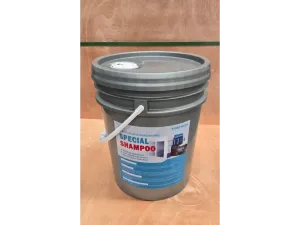
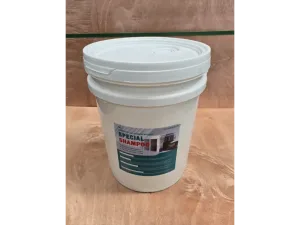
In states like California, Arizona, and Colorado, businesses can also qualify for rebates and green tax credits when installing solar or water-saving car wash systems.
| Feature | Shinewash Rollover ($55K) | EU Rollover ($120K) | Local U.S. Brand ($75K) |
| Wash Time | 4 minutes | 6 minutes | 7 minutes |
| Water Use per Car | 55 gallons | 85 gallons | 70 gallons |
| Spare Parts Delivery Time | 48 hours (U.S. stock) | 3–4 weeks | 10+ days |
| Warranty Coverage | 3 Years | 1 Year | 2 Years |
| Remote Support | 24/7 AI + Technician | Limited | Office hours only |
Learn more about Shinewash’s full scope of services, R&D innovations, and global market presence in our Shinewash – A Leading Automatic Car Wash Machines Manufacturer from China.
In 2026, the U.S. market for automatic car wash machines continues to grow—driven by efficiency, sustainability, and consumer demand. Whether you’re launching a small rollover car wash in a city or operating a large tunnel car wash system off an interstate, Shinewash offers affordable, scalable solutions that perform.
Key Takeaways:
Ready to start? Request a Free ROI Report with site-specific quotes, profitability calculators, and 2026 trend forecasts.