Building an automatic car wash has become one of the most attractive investments in 2026. With rising car ownership, increasing demand for fast and consistent cleaning, and a shift from manual washing to smart automated solutions, many investors want to know one thing: How much does an automatic car wash cost to build?
The answer depends on your machine type, land, construction work, and additional equipment needs. This guide breaks down all major cost components, updated equipment prices, hidden expenses, and expert tips to help you plan the automatic car wash cost to build and establish a high-return facility with confidence.
Demand for automated car wash services continues to grow worldwide as drivers prioritize convenience, speed, and vehicle protection. For investors, starting an automatic car wash offers stable revenue, low labor costs, and long-term operational reliability—especially when paired with modern touchless or rollover technology.
Understanding the automatic car wash cost to build is essential for planning your budget, avoiding unexpected expenses, and selecting the right equipment for your location. This guide explains everything you need to know before construction begins.
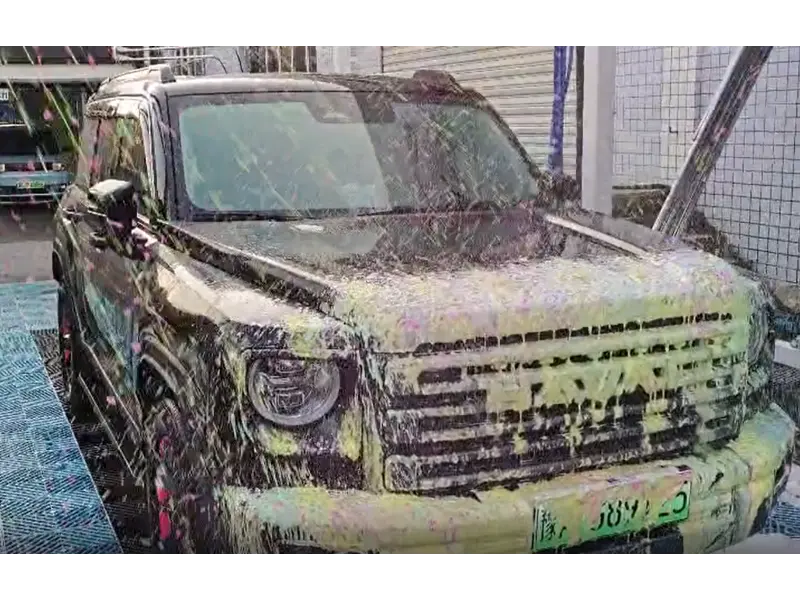
An automatic car wash is a fully automated cleaning system that uses sensors, robotics, high-pressure water, detergents, and drying mechanisms to clean vehicles without manual labor. Common systems include:
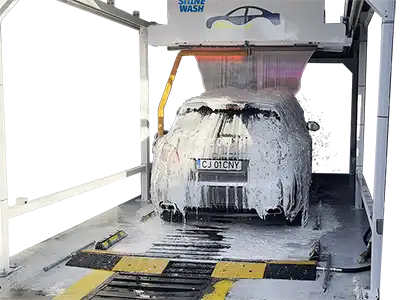
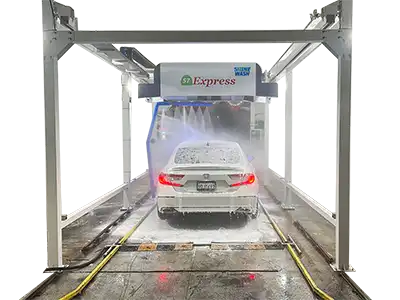
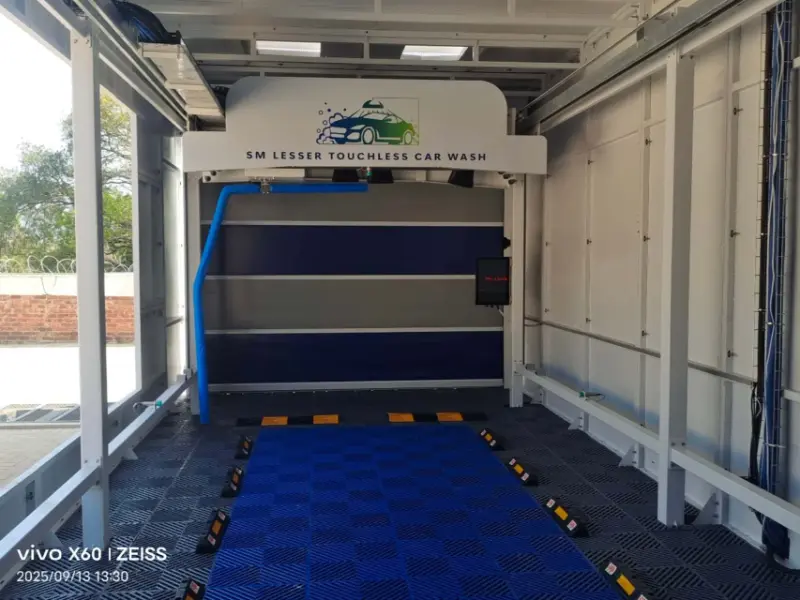
Cleans using high-pressure water and detergent only—zero physical contact, ideal for luxury vehicles and ceramic coatings.
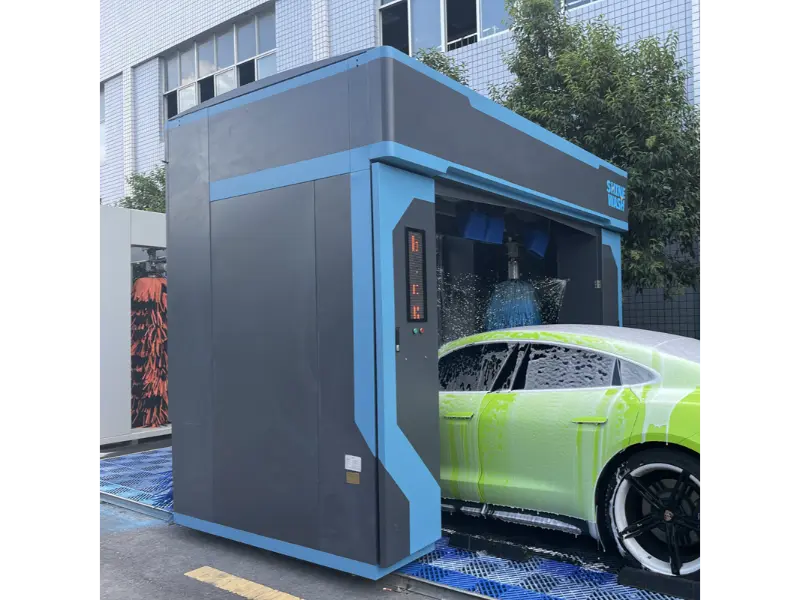
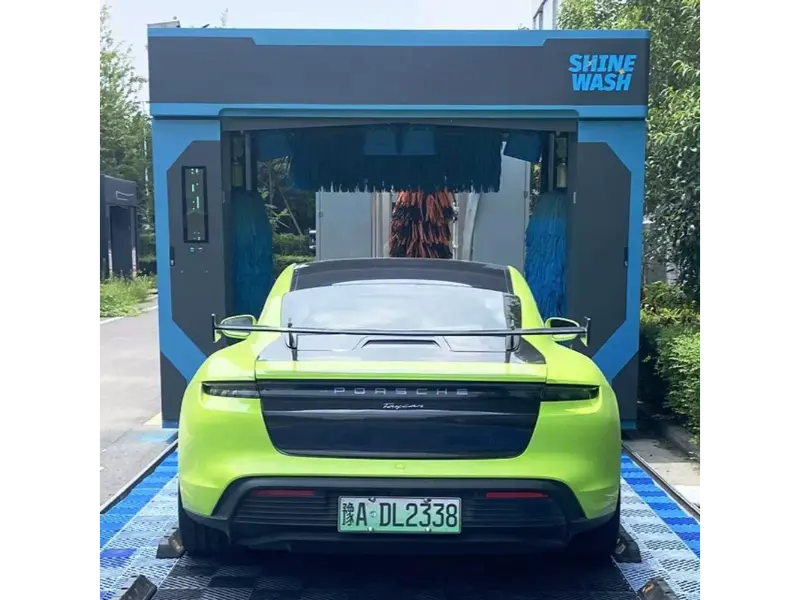
The machine moves back and forth around a stationary vehicle, using brushes and water for strong cleaning results.
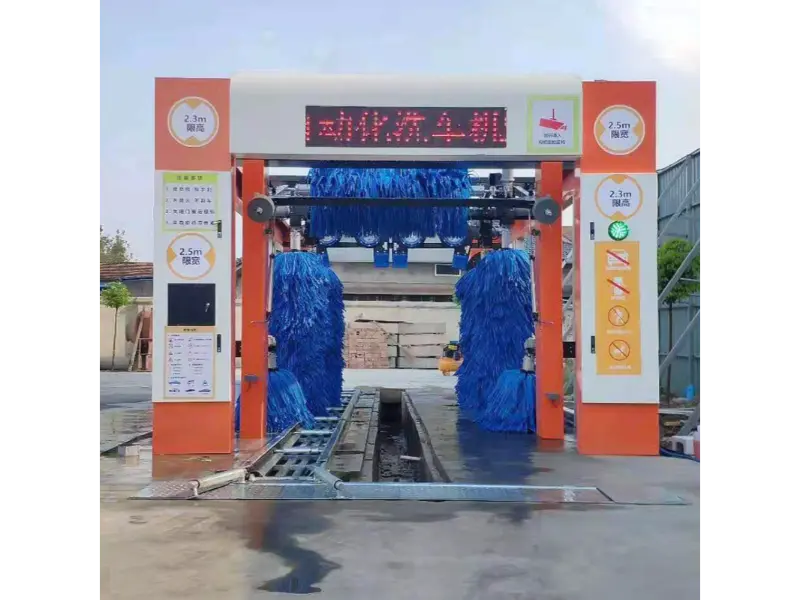
A conveyor pulls the vehicle through multiple cleaning stages. This system offers the highest throughput and is ideal for busy commercial locations.
These systems vary in cost, land requirements, and daily washing capacity. Choosing the right type directly impacts your automatic car wash cost to build and long-term ROI.
Several key elements influence the total investment required to build a complete car wash facility. Understanding these helps you estimate an accurate automatic car wash cost to build.
Touchless car wash systems typically cost less to install than large conveyor tunnels. Tunnel systems require more brushes, motors, conveyors, and civil engineering—raising the total cost.
Your land needs space for vehicle entry, machine installation, drainage, water tanks, and customer flow. Prices vary significantly depending on country and city.
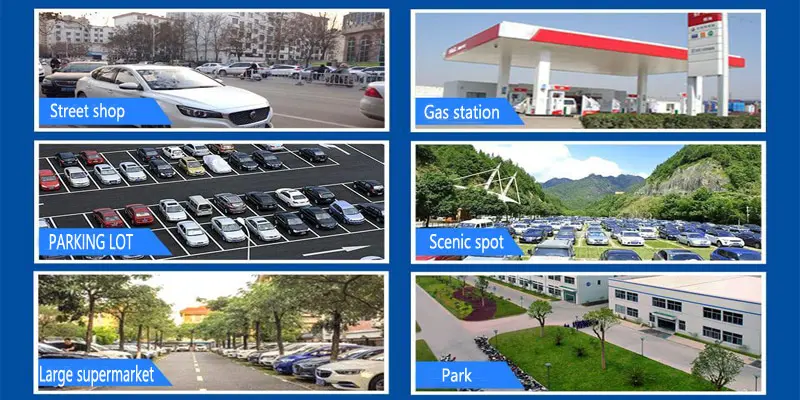
This includes concrete foundation, steel structure, drainage systems, trenching, power supply, pipelines, and waterproofing. Civil work often represents 30%–50% of total project cost.
Automated car wash systems require stable electricity, water supply, high-pressure pumps, and wastewater treatment.
Government approvals may involve environmental checks, wastewater discharge permits, and construction approvals.
Professional installation ensures correct calibration of pumps, sensors, and motors. Improper installation increases maintenance costs later.
Each factor contributes to the final cost, making it important to evaluate your site conditions before purchasing any equipment.
When estimating the automatic car wash cost to build, equipment selections determine the majority of your budget. Below is the latest 2026 pricing across different categories.
| System Type | Models & Prices (USD) |
| Touchless | K3 – 15,500; K6 – 17,500; K9 – 21,500 |
| Rollover | 3-Brush Entry – 15,500; S1 – 20,000; S3 / S9 – 21,500; 7-Brush Premium – 28,500–44,000 |
| Tunnel | Q9 (9 Brushes) – 29,500; Q11 (11 Brushes) – 37,000; Q14 (14 Brushes) – 44,000 |
| Bus/Truck Gantry | R3 – 28,500; R5 – 33,000 |
| Bus/Truck Drive-Through | T4 – 25,500; T5 – 28,000; T6 – 29,000 |
Beyond the machine and land, additional expenses often appear during construction. Planning ahead ensures your project stays within budget and keeps your automatic car wash cost to build predictable.
Many regions now require water recycling. Installing a 70–85% water recovery system can reduce long-term water bills significantly.
Detergent tanks, pumps, chemical mixing systems, and safety storage can add to initial setup costs.
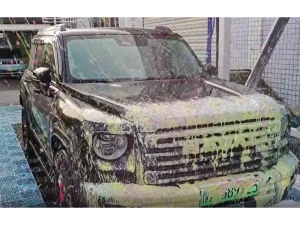
High-powered pumps and dryers may require upgrading transformers or electrical panels.
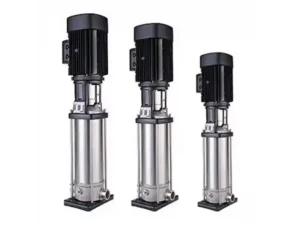
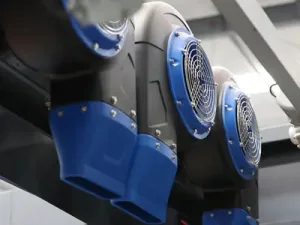
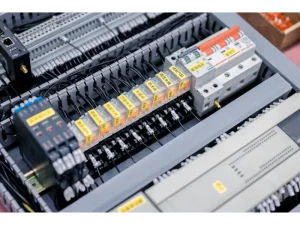
These support machine movement, brush pressure, and drying performance.
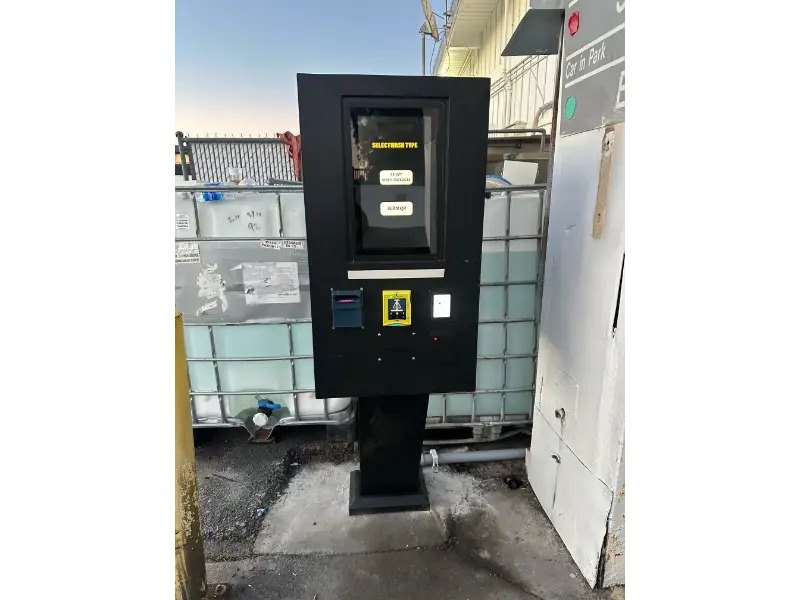
Self-service kiosks, QR code terminals, or cashless payment systems improve customer flow but require upfront investment.
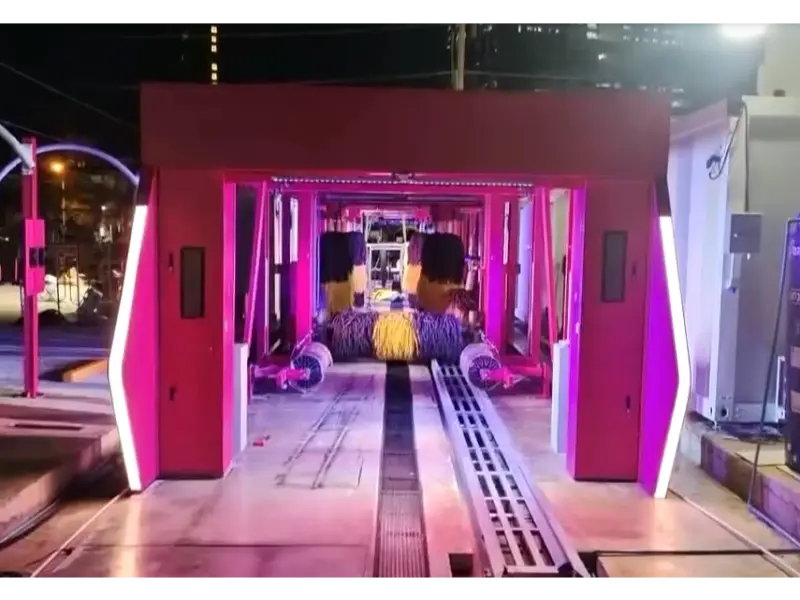
LED arches, entrance indicators, and outdoor lighting enhance visibility and customer experience.
CCTV, remote monitoring platforms, and automated reporting systems improve operational safety and management efficiency.
Factoring these into your early budget prevents unpleasant surprises during installation.
Selecting equipment like Shinewash K3, K6, K9, S1, or S9 reduces civil engineering and installation labor.
A well-planned layout minimizes unnecessary pipe routing, water tank movement, and structural building adjustments.
High-efficiency pumps, LED lighting, and water recycling systems reduce long-term operating costs.
Cheap machines break down frequently and require expensive repairs, often causing business downtime.
A high-quality machine combined with smart planning provides better ROI and lowers lifetime automatic car wash cost to build.
Shinewash provides a wide range of reliable automatic car wash systems for different budgets, land sizes, and business models. The machines are designed for low maintenance, stable performance, and fast installation.
Whether you need a touchless car wash system, rollover car wash system, tunnel car washsional site planning, installation guidance, and global after-sal equipment, or heavy-duty truck wash machine, Shinewash offers profeses support to help ensure business success.
Investors can choose from affordable entry-level models to advanced commercial car wash systems depending on washing volume and project scale.
Building an automatic car wash is a profitable long-term investment, but understanding the complete automatic car wash cost to build is essential for planning. Your total budget depends on machine type, land size, construction work, and additional systems such as water recycling and payment kiosks.
Touchless and rollover systems are cost-effective for small and medium sites, while tunnel systems offer unmatched throughput for busy locations. Large-vehicle wash systems support fleet and logistics businesses.
With proper planning and the right equipment partner, your automatic car wash cost to build can be optimized to deliver a high-performing facility with stable revenue for many years.
Ready to build your automatic car wash?
Contact Shinewash today to get a personalized cost estimate, site layout plan, and ROI analysis.
Start your project with professional support—your successful car wash business begins here.