Many car owners wonder whether an automatic car wash is harmful to their vehicle’s paint, finish, or overall condition. The short answer is: it depends on the type of automatic car wash and how well it is maintained.
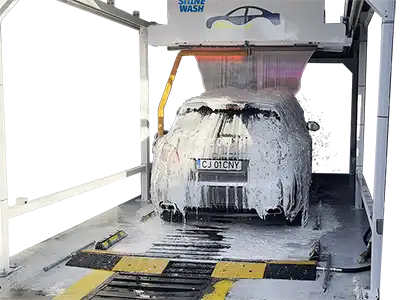
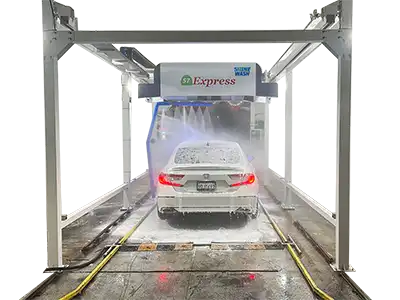
Modern automatic car wash systems have improved significantly over the years. High-quality systems—especially touchless automatic car washes—use high-pressure water jets and specially formulated detergents to clean the vehicle without physical contact. This greatly reduces the risk of scratches compared to older brush-based systems.
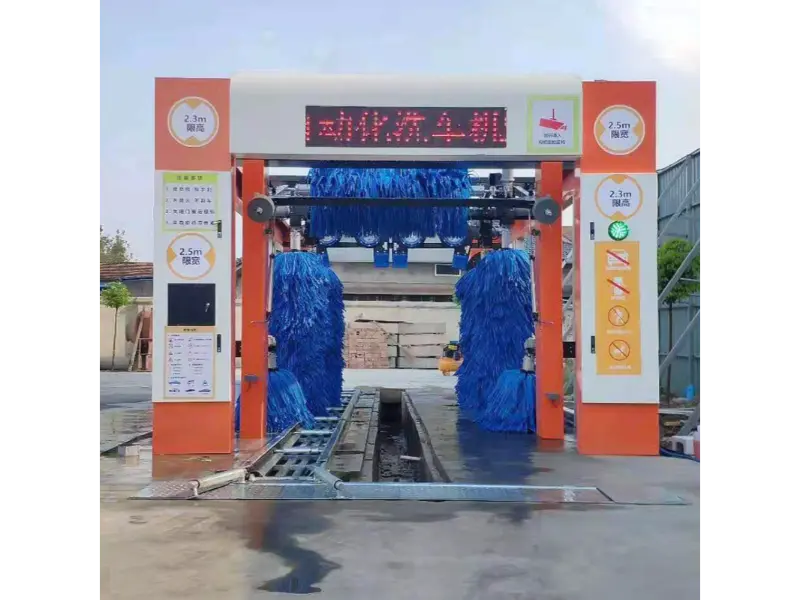
However, not all automatic car washes are the same. Traditional brush-style car washes may sometimes cause minor surface scratches or swirl marks if the brushes are worn, dirty, or poorly maintained. These marks are usually cosmetic, but they can be more noticeable on dark-colored or glossy vehicles over time.

On the other hand, the real risk often comes from poor maintenance rather than the technology itself. A well-maintained automatic car wash that regularly replaces brushes, filters water properly, and uses safe cleaning chemicals is generally safe for most modern car paints and clear coats.
In conclusion, automatic car washes are not inherently bad for your car. The key is choosing a modern, well-maintained system and, if you are concerned about paint protection, opting for a touchless automatic car wash whenever possible.
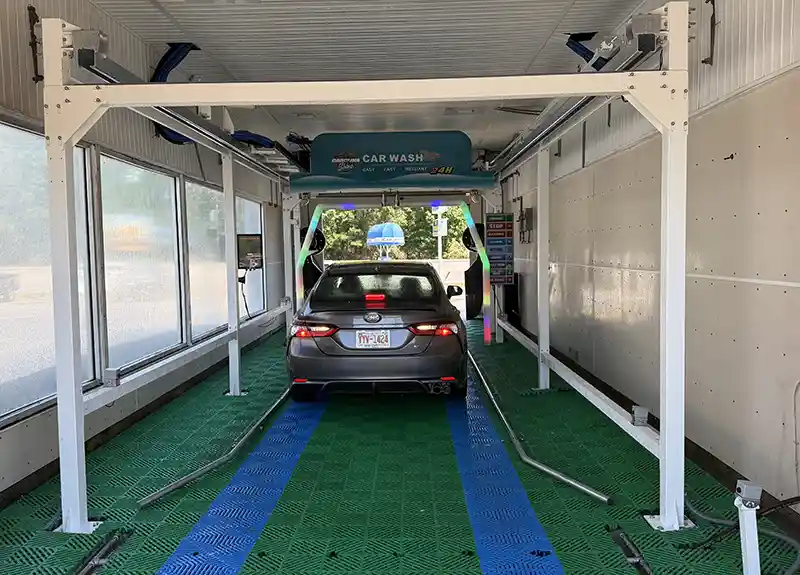
The cost of owning an automatic car wash can vary widely depending on the type of system, level of automation, location, and site preparation requirements. In general, the total investment can range from around $40,000 for a small self-service setup to over $500,000–$5 million for a fully automated tunnel car wash system.
Below is a simple breakdown of typical investment ranges:
| Type of Automatic Car Wash | Estimated Equipment Cost | Total Investment Range | Key Features |
| Basic Rollover Car Wash System | $30,000 – $150,000 | $50,000 – $300,000 | Compact design, suitable for gas stations or small sites |
| Touchless Automatic Car Wash | $100,000 – $300,000 | $150,000 – $500,000 | No physical contact, reduced risk of scratches, advanced spray systems |
| Brush Automatic Car Wash | $80,000 – $250,000 | $120,000 – $600,000 | Faster cleaning, traditional soft brush technology |
| Fully Automated Tunnel Car Wash | $500,000 – $2,000,000+ | $1M – $5M+ | High throughput, conveyor system, multi-stage washing & drying |
Mid-range solutions, like a touchless automatic car wash system, typically cost between $100,000 and $300,000. These systems are more advanced, offering better cleaning performance and lower risk of paint damage, but they require reliable water supply, drainage, and sometimes heating systems for colder climates.
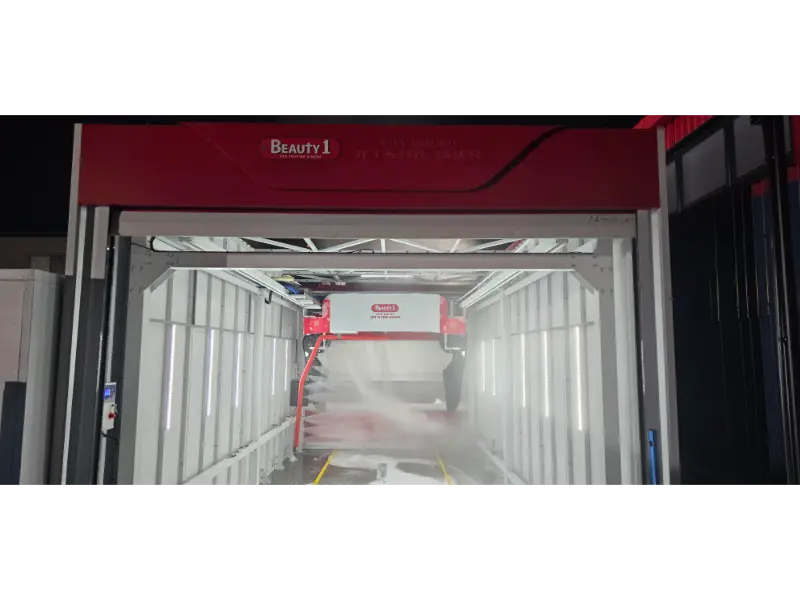
At the high end, a fully automated tunnel car wash can cost significantly more due to land use, construction, and advanced automation systems. However, they are designed for high-volume operations and can generate strong long-term revenue if located in high-traffic areas.
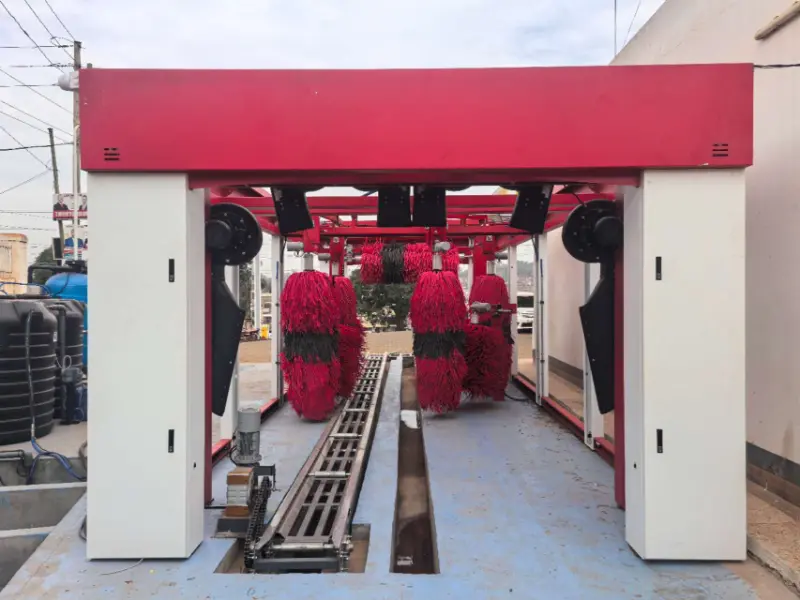
In addition to equipment costs, investors should also consider ongoing expenses such as maintenance, utilities (water and electricity), labor, insurance, and chemical supplies. Site acquisition or leasing costs can also be a major part of the total investment depending on the region.
Overall, owning an automatic car wash requires significant upfront capital, but it can be a highly scalable and profitable business when properly planned and located.
Whether an automatic car wash damages your car’s paint depends mainly on the type of system used, the condition of the equipment, and how well it is maintained. In general, modern systems are designed to be safe for factory paint and clear coats, but some risk still exists under certain conditions.
Traditional brush-based automatic car washes are the most commonly associated with minor paint issues. If the brushes are old, dirty, or not properly maintained, they may carry grit or debris from previous vehicles. Over time, this can lead to light swirl marks or fine scratches, especially on darker-colored cars where imperfections are more visible.
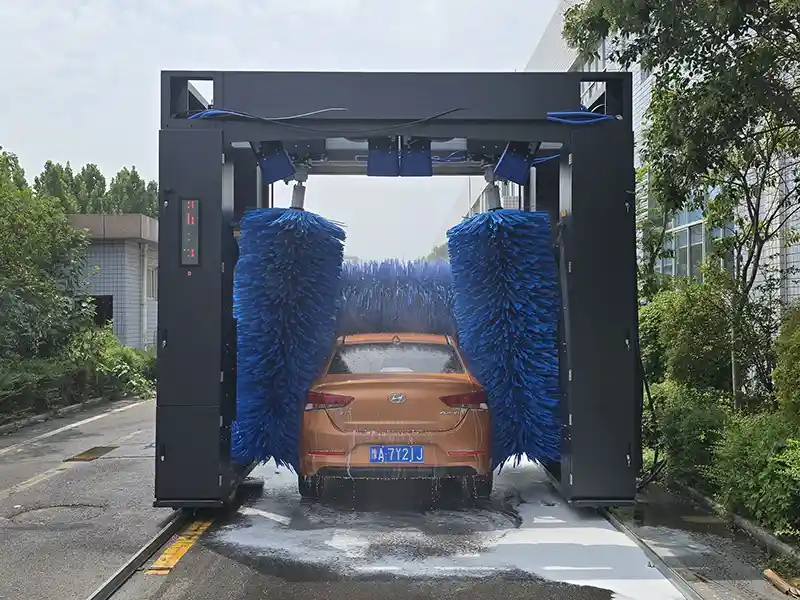
On the other hand, modern touchless automatic car wash systems significantly reduce this risk because they do not physically contact the vehicle. Instead, they rely on high-pressure water jets and chemical detergents to break down dirt. While this eliminates brush-related scratches, some users feel that touchless systems may not clean heavily soiled vehicles as thoroughly.
Another important factor is water quality and cleaning chemicals. Poorly filtered water or overly harsh detergents can, in rare cases, affect wax coatings or long-term paint protection layers. However, most commercial automatic car wash operators today use paint-safe formulations designed for repeated use.
In reality, the biggest risk to paint damage usually comes from poorly maintained equipment rather than the automatic car wash concept itself. A well-managed facility that regularly cleans or replaces brushes, calibrates spray systems, and maintains proper chemical balance is generally safe for everyday use.
Overall, automatic car washes do not inherently damage paint. If you are concerned about long-term paint protection, choosing a modern, well-maintained touchless automatic car wash or hand-drying after washing can further minimize any potential risk.
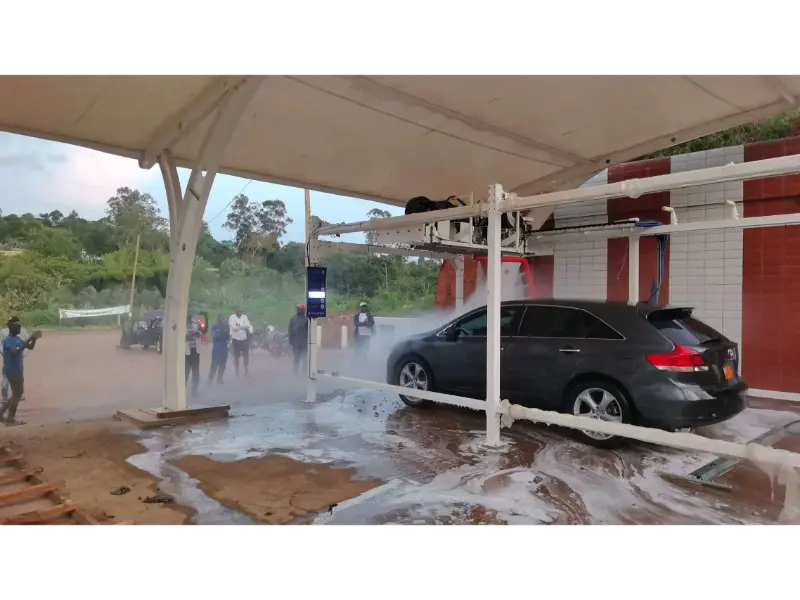
An automatic car wash can sometimes cause light scratches, but it is not guaranteed—and in most cases, modern systems are designed to minimize this risk. Whether scratches occur depends mainly on the type of car wash system and its maintenance quality.
The most common concern comes from traditional brush or friction-based automatic car washes. These systems use rotating cloth or foam brushes to physically scrub the vehicle. If the brushes are clean and well-maintained, they are generally safe. However, if they are worn out or contaminated with dirt and grit from previous vehicles, they can create fine swirl marks or micro-scratches, especially on soft or dark paint finishes.
In contrast, touchless automatic car washes do not use physical contact at all. Instead, they rely on high-pressure water jets and chemical detergents to remove dirt. Because there is no brushing involved, the risk of scratching is significantly reduced. However, touchless systems may be slightly less effective on heavy mud or road grime.
Another factor is how often the system is serviced. Even high-quality automatic car wash equipment can become problematic if it is not properly cleaned and maintained. Dirty water recycling systems, worn brushes, or poor chemical balance can all increase the risk of minor paint imperfections over time.
It is also worth noting that some “scratches” people notice after an automatic car wash are not deep damage, but rather light swirl marks or residue streaks that become visible under direct sunlight.
Overall, automatic car washes do not inherently scratch your car. The risk is low when using modern, well-maintained systems—especially touchless automatic car washes—but it is not zero in older or poorly maintained facilities.
An automatic car wash is not inherently bad, but whether it is a good or bad option depends on the system type, maintenance quality, and what you expect in terms of cleaning results and paint protection.
From a practical standpoint, automatic car washes are widely used because they are fast, convenient, and consistent. In just a few minutes, they can clean a vehicle without requiring manual labor, making them ideal for busy drivers and high-traffic environments. Modern systems are also designed with improved safety standards for vehicle surfaces.
However, concerns usually come from older or poorly maintained brush-based automatic car wash systems. If the equipment is not properly cleaned or replaced regularly, dirt and debris can build up in the brushes, which may lead to light swirl marks or reduced shine over time. This is why some car owners feel that automatic car washes are “bad” for paint.
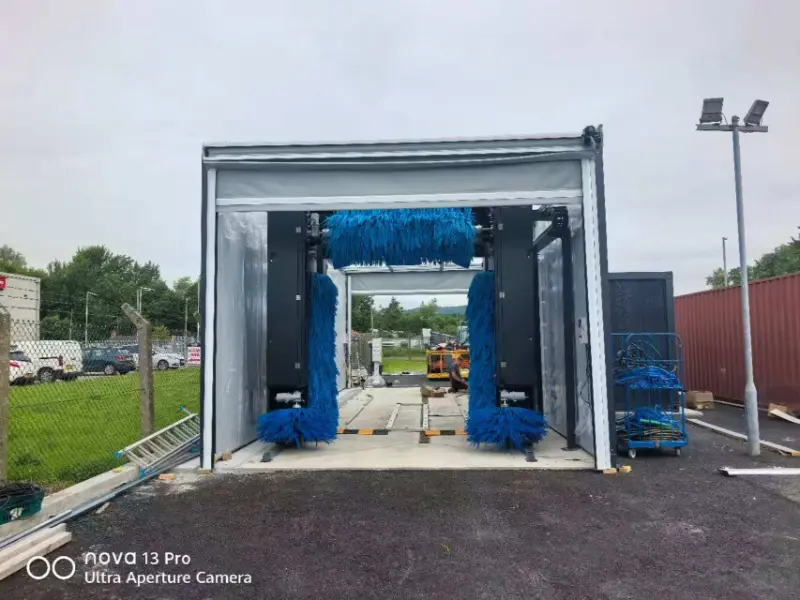
On the other hand, newer touchless automatic car wash systems avoid physical contact entirely. These systems use high-pressure water and specialized detergents, significantly reducing the risk of scratches. While they may not always remove extremely heavy dirt as effectively as friction systems, they are generally considered safer for long-term paint protection.
It is also important to consider water quality, detergent formulation, and maintenance practices. A well-managed facility using proper filtration and paint-safe chemicals will deliver a safe and consistent wash experience.
In reality, automatic car washes are not “bad”—they are a trade-off between convenience, cost, and level of care. For most everyday drivers, they are a safe and efficient solution. For enthusiasts who prioritize perfect paint condition, occasional hand washing or touchless systems may be preferred.
The time required for an automatic car wash is one of its biggest advantages, as it is designed for speed and convenience. In most cases, a full wash cycle takes between 3 to 10 minutes, depending on the type of system and the level of cleaning selected.
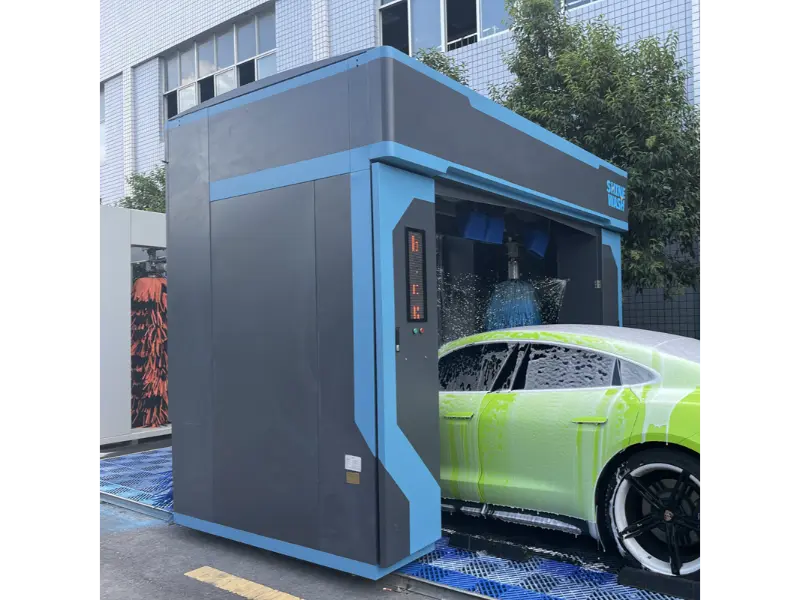
Different automatic car wash systems operate at different speeds. A basic rollover automatic car wash is typically the fastest option, completing a standard wash in about 3 to 5 minutes. These systems are commonly found at gas stations and small commercial sites, where quick turnaround is important.
More advanced touchless automatic car wash systems usually take slightly longer, around 4 to 8 minutes, because they rely on multiple high-pressure spray and chemical application stages to break down dirt without physical contact.
At the higher end, a tunnel automatic car wash can take anywhere from 5 to 10 minutes, depending on the package selected (basic wash, wash + wax, or premium detailing). Although the process is longer, tunnel systems are designed to handle multiple vehicles continuously, which increases overall throughput.
Here is a simple overview:
| Type of Automatic Car Wash | Typical Duration | Notes |
| Rollover System | 3–5 minutes | Fastest option, single-vehicle operation |
| Touchless System | 4–8 minutes | No contact, multiple spray stages |
| Tunnel System | 5–10 minutes | Continuous conveyor, higher capacity |
| Premium Wash Package | 8–12 minutes | Includes waxing, drying, or underbody wash |
In general, an automatic car wash is much faster than hand washing, which can take 20–60 minutes or more. This is why automatic systems are widely used in busy urban areas and commercial operations.
Overall, if you are looking for speed and convenience, an automatic car wash can clean your vehicle in just a few minutes without requiring any manual effort.
Using an automatic car wash is usually very simple, but the exact steps can vary slightly depending on the system (rollover, touchless, or tunnel). Most modern facilities are designed to guide drivers through the process with clear signs and automated instructions.
First, prepare your vehicle before entering the wash bay. This typically includes removing loose items such as antennas (if detachable), folding in side mirrors if needed, and making sure windows and sunroof are fully closed. It’s also a good idea to check that the car is in neutral mode if required by the system.
Next, follow the entrance instructions. For a rollover automatic car wash, you will slowly drive into the designated area and stop at the indicated position. The system will usually show you when to stop using lights or ground markers. Once positioned correctly, you put the car in park (or neutral, depending on instructions) and remain inside the vehicle while the machine moves around it.
For a tunnel automatic car wash, the process is slightly different. You drive onto a conveyor track, and the system will automatically pull your vehicle through various washing stages. Once the car is aligned properly, you shift into neutral and take your foot off the brake, allowing the conveyor to move the car forward.
During the wash cycle, you should remain inside the vehicle unless signage specifically instructs otherwise. The system will handle pre-wash spraying, soap application, brushing or touchless cleaning, rinsing, and drying automatically.
After the wash is complete, you will receive a signal to exit. Drive forward slowly and carefully, as the ground may still be wet and slippery. Some facilities also provide air dryers or hand-drying zones just after the exit.
Here is a quick step summary:
| Step | Action |
| 1 | Remove loose items & close windows |
| 2 | Follow entry instructions and positioning guides |
| 3 | Put car in park (rollover) or neutral (tunnel) |
| 4 | Stay inside while wash runs |
| 5 | Wait for cycle completion signal |
| 6 | Drive out slowly after wash |
Overall, using an automatic car wash is designed to be fast, safe, and beginner-friendly. Once you’ve done it once or twice, the process becomes very straightforward and takes only a few minutes from start to finish.
Starting an automatic car wash business can be a profitable venture, but it requires careful planning, significant investment, and the right location. The process generally involves several key steps: market research, choosing a business model, securing funding, installing equipment, and setting up operations.
First, you need to conduct market research. This includes analyzing local demand, traffic flow, competition, and customer preferences. High-traffic areas such as gas stations, shopping centers, or roadside commercial zones are typically the best locations for an automatic car wash because they ensure steady vehicle flow.
Next, decide on the type of automatic car wash system you want to operate. Common options include:
Each type has different investment levels, space requirements, and revenue potential. For example, rollover systems require less space and lower investment, while tunnel systems need more land but offer higher throughput and income potential.
After selecting the model, you will need to prepare a business plan and funding strategy. This includes estimating equipment costs, construction costs, utilities, maintenance, labor, and expected revenue. Many investors use bank loans, private investors, or equipment financing to fund the project because startup costs can range from tens of thousands to several million dollars.
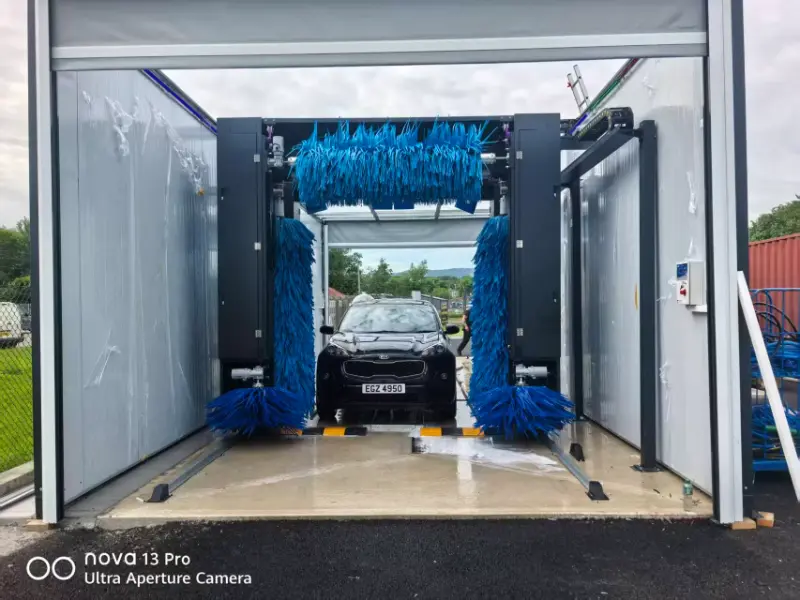
Then comes site preparation and installation. This stage includes land acquisition or leasing, zoning approval, water and drainage system setup, and construction of the wash bay or tunnel structure. Professional installation is crucial to ensure system safety and efficiency.
Once the equipment is installed, you must configure operations and maintenance systems. This includes setting up payment systems (cashless or card-based), scheduling maintenance, training staff, and ensuring chemical and water supply systems are properly managed.
Finally, you launch your marketing strategy. This can include local advertising, grand opening promotions, loyalty programs, and partnerships with nearby businesses such as gas stations or car dealerships.
Overall, opening an automatic car wash requires upfront investment and planning, but it is a scalable business with strong long-term potential when located in the right market and operated efficiently.
An automatic car wash cleans a vehicle through a fully automated process using water jets, detergents, sensors, and drying systems. The driver simply enters the wash bay or conveyor system, and the machine completes the rest.
First, the car is positioned correctly using guides or sensors. Then the system starts a pre-wash, spraying high-pressure water to remove loose dirt. Next, soap or foam is applied to break down grease and grime.
After that, the car is cleaned either by soft rotating brushes (friction system) or high-pressure water jets (touchless system). This is followed by a rinse stage to wash away all detergent and dirt.
Finally, powerful air dryers remove water from the surface, leaving the car clean and dry within minutes.
Overall, an automatic car wash uses a step-by-step automated system to clean cars quickly, safely, and efficiently with minimal human effort.
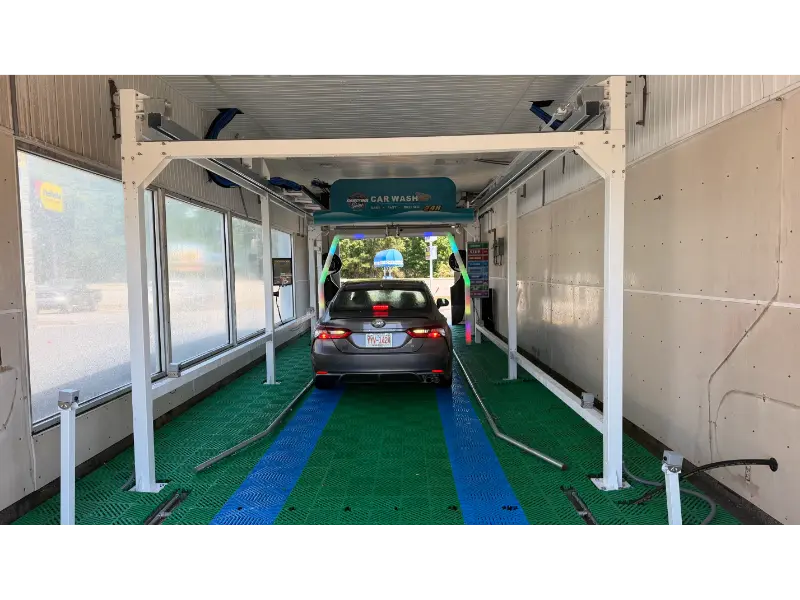
Yes, many automatic car washes can clean the undercarriage, but it depends on the system and the wash package selected.
Most modern automatic car wash systems include an undercarriage wash function, which uses high-pressure water jets to spray underneath the vehicle. This helps remove mud, road salt, sand, and other debris that can accumulate in hard-to-reach areas.
This feature is especially useful in regions where roads are treated with salt during winter, as salt buildup can lead to rust and long-term corrosion if not properly cleaned.
However, undercarriage cleaning is not always included in every wash. In many cases, it is part of a higher-tier or premium automatic car wash package, while basic washes focus only on the exterior surfaces.
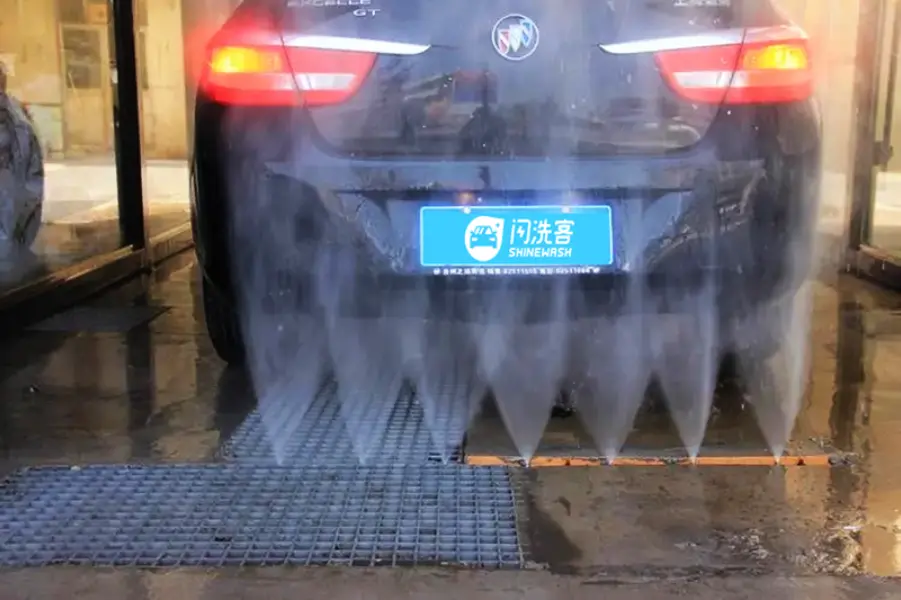
Tunnel and advanced touchless systems are more likely to offer comprehensive underbody cleaning, while smaller or low-cost rollover systems may have limited undercarriage coverage.
Overall, if undercarriage cleaning is important, it is best to choose a wash package that explicitly includes this feature.
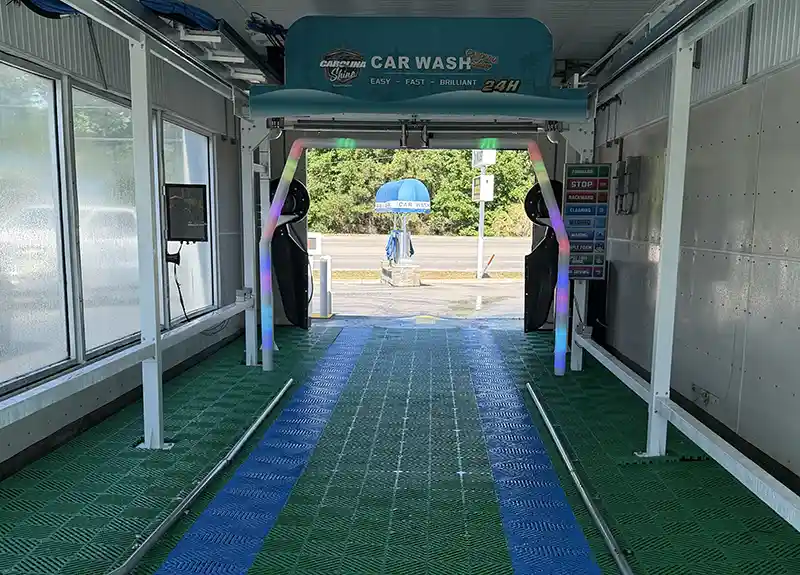
Contact Shinewash experts if you are interested in this automatic car wash.